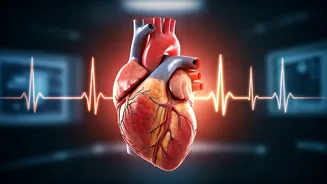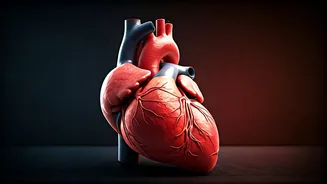








Heart attacks and cardiac arrests are often confused, but they are two very different emergencies that can both be deadly without quick medical help. A heart attack usually happens when blood flow to part
of the heart is blocked, while a cardiac arrest occurs when the heart suddenly stops beating. Both can strike without warning and require urgent care to prevent permanent damage or death. Understanding the difference—and recognising symptoms like chest pain, breathlessness, dizziness, or sudden collapse—can save lives.
Dr Girish Godbole, Director, Interventional Cardiology, KIMS Hospitals, Bengaluru, says, “As a cardiologist, I often notice that people commonly use the terms heart attack and cardiac arrest interchangeably. These terms do not mean the same thing. Knowing the difference between these two problems—and acting on that knowledge—can literally be a lifesaver.”
So here are a few things that everyone needs to know:
Cardiac Arrest is Not the Same as a Heart Attack – A heart attack occurs when the flow of blood in one of the blood vessels of the heart suddenly stops completely or reduces substantially. A cardiac arrest, on the other hand, occurs when the heart suddenly stops beating due to a malfunction in the heart’s electrical signals. Only some heart attacks result in a cardiac arrest and sudden death. A cardiac arrest occurs due to a variety of reasons, and a heart attack is just one of the reasons. When a cardiac arrest occurs, circulation of blood comes to a halt, the flow of blood to the brain and other vital organs comes to a standstill, and the victim collapses.
Cardiac arrest occurs suddenly and without warning – Yes, they do and is unlike a heart attack where, typically, the patient experiences and complains of symptoms such as chest pain or breathlessness. Patients can collapse suddenly while walking, exercising, or even resting. The patient is fine one moment and the next, suddenly loses consciousness, stops breathing normally, and loses pulse suddenly.
Immediate action can double or triple the chances of survival – Without circulation of blood, all the organs of the body are deprived of oxygen and other essential elements required to survive. The damage is preventable or reversible if circulation is restored immediately. Therefore, time is of the essence. Brain damage can occur within 4 to 6 minutes. Since a cardiac arrest can occur anywhere and anytime, prompt and effective action by the bystanders is exceedingly important. Quick action before medical help arrives can significantly improve survival.
Start CPR immediately – The moment someone collapses and becomes unconscious, do call for assistance and starting CPR. Press hard and fast in the centre of the chest while performing CPR. Hands – only CPR can save a life until help arrives.
Use an AED if available – Automated External Defibrillators (AEDs) can save lives. They can be found in public places, such as in the airport or office. AEDs are very user – friendly. People should not be afraid to use these devices. Once connected to the patient, the AED provides verbal instructions and guides you. In addition, the AED automatically detects the rhythm of the heart and, if appropriate, can deliver an electric shock to the chest.
Prevention and awareness are important – Many, though not all, cases of sudden cardiac arrest are caused by heart problems, including blood supply issues or rhythm disorders. Regular health check-ups, controlling blood pressure, diabetes, and cholesterol levels, as well as a heart-friendly lifestyle, can go a long way in preventing heart attacks and, potentially, a sudden cardiac arrest.
Public awareness can help save thousands of lives – In my opinion as a cardiologist, one of the biggest gaps in preventing sudden cardiac arrest / death is awareness. If people are more educated about heart attacks and sudden cardiac arrest, and if they are able to perform CPR, thousands of lives will be saved.
When a person suddenly collapses, every second counts, and knowing what to do may mean the difference between life and death.