




As temperatures drop, Indian kitchens turn to ingredients that warm the body and nourish it at the same time. These winter staples are not just comforting; they also reflect the tradition of seasonal eating,
with fresh produce, whole grains, nuts and warming spices taking centre stage.
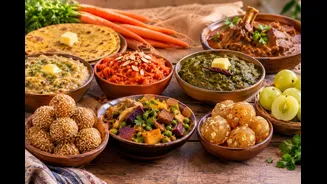
From a steaming bowl of bajra khichdi to a plate of sarson ka saag with makki ki roti, winter favourites offer a mix of flavour and nutrition. Whether you prefer traditional sweets, wholesome vegetarian meals or slow-cooked meat dishes, there is plenty to add to your seasonal menu.
Here are eight traditional favourites worth making space for this winter.
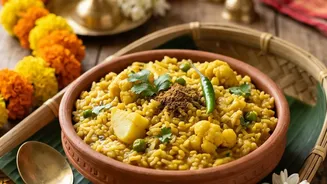
1. Rajasthani Bajre Ki Khichdi
Made with pearl millet and moong dal, Rajasthani bajre ki khichdi is a filling winter meal. Bajra is a source of dietary fibre, plant protein, iron and magnesium, while moong dal adds more protein to the dish. To prepare it, soak the bajra for a few hours, then pressure-cook it with moong dal, water, cumin, ginger, turmeric and salt until soft. Finish with a little ghee and serve hot with curd, garlic chutney or a side of pickle.
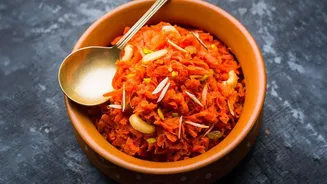
2. Classic Gajar Ka Halwa
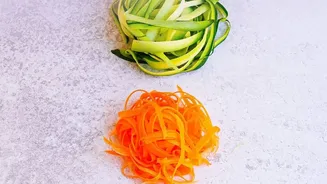
Few winter treats are as loved as gajar ka halwa. Fresh red carrots are grated and slow-cooked with milk until they soften and absorb its richness. Sugar, ghee and cardamom are added towards the end, while chopped almonds, cashews and raisins provide texture.
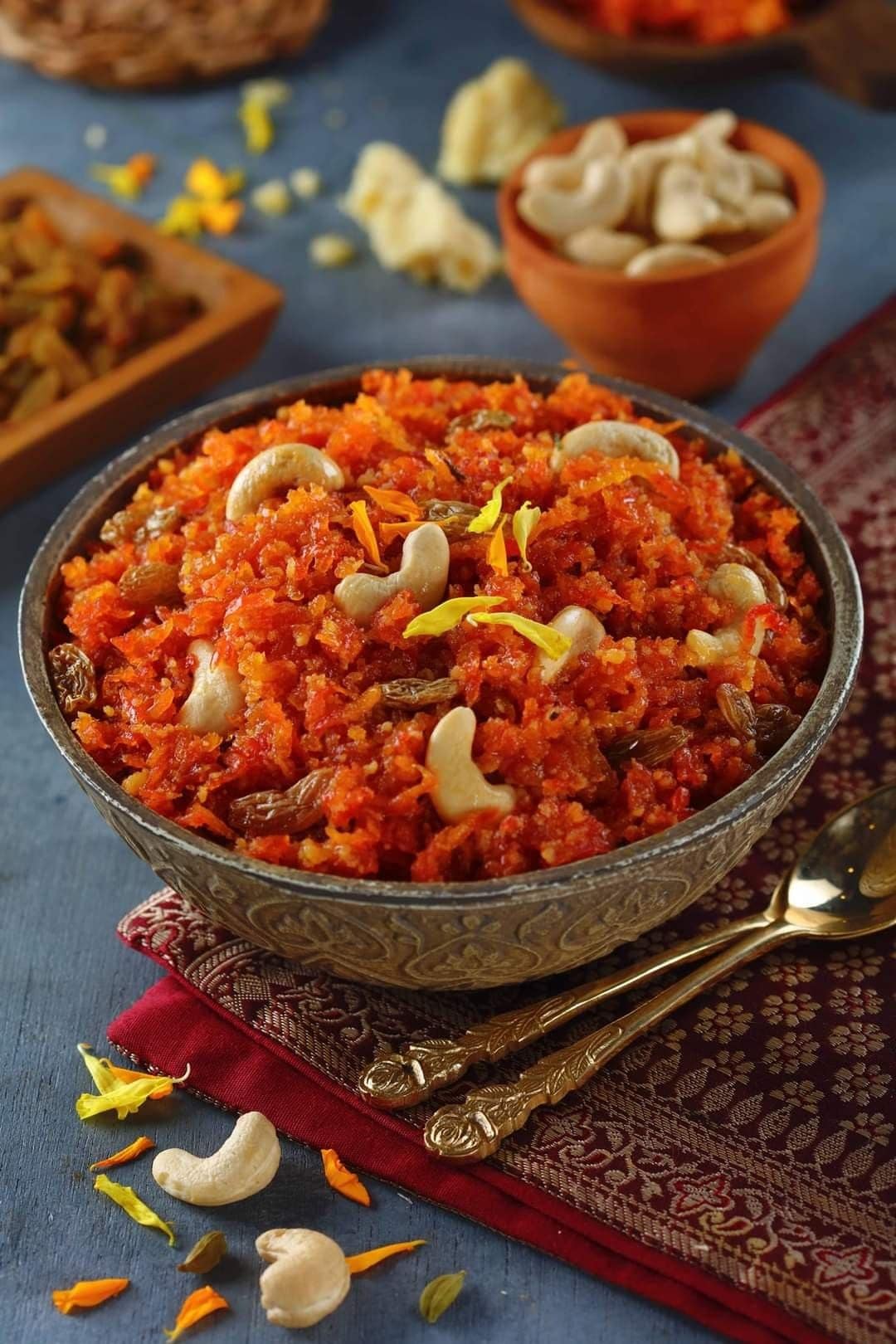
Carrots contain beta-carotene, which the body converts into vitamin A, a nutrient that supports normal vision and immune function. For a richer version, use khoya, but keep portions moderate as the dessert can be high in added sugar and saturated fat.
3. Punjabi Sarson Ka Saag
A winter staple in Punjab, sarson ka saag is traditionally prepared with mustard greens, spinach and sometimes bathua. The leaves are washed, chopped and cooked with ginger, garlic, green chillies and spices before being mashed into a thick, rustic preparation. A final tempering of ghee adds flavour.
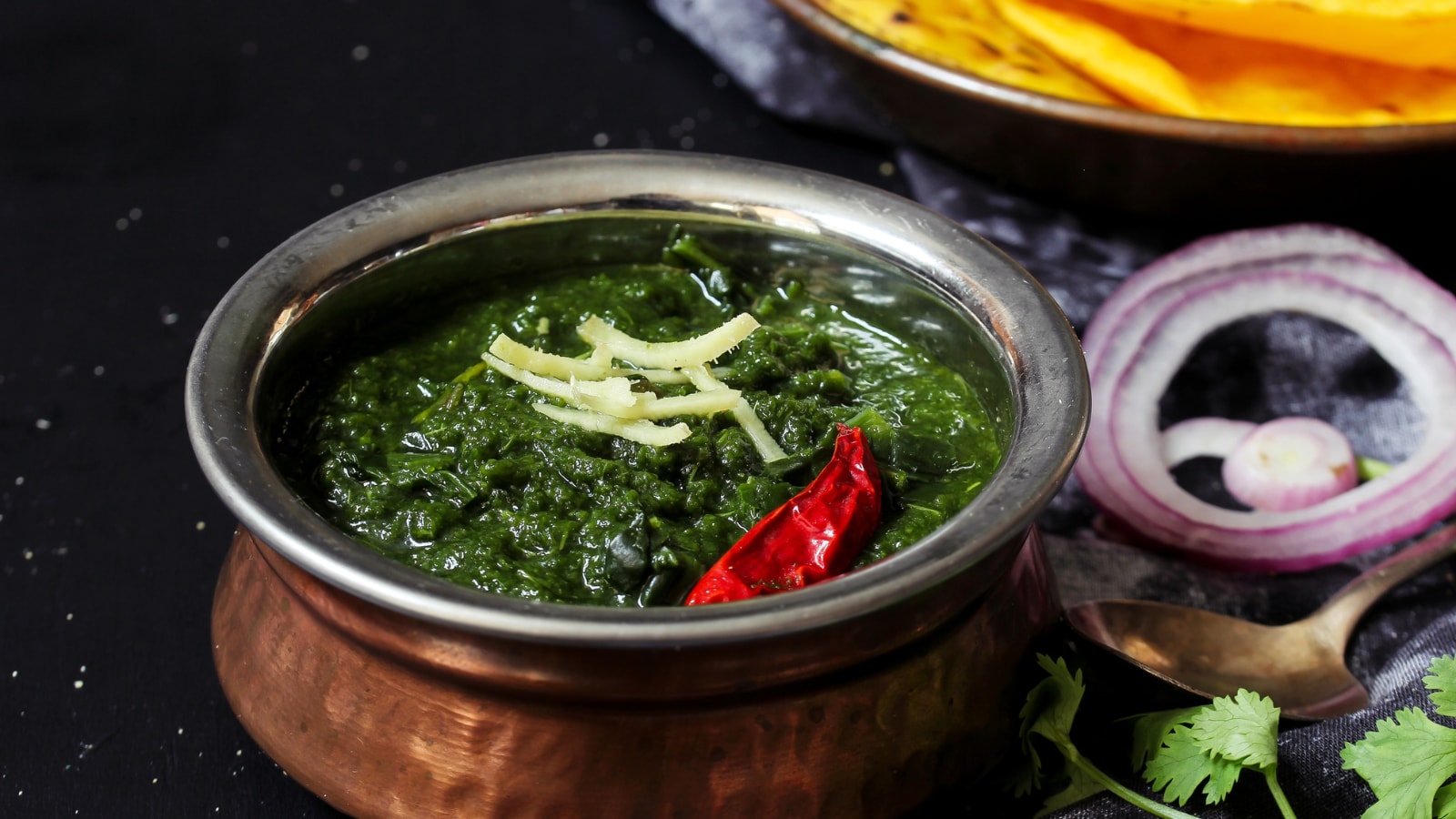
Mustard greens and other leafy vegetables provide fibre, folate, vitamin K, vitamin C and beta-carotene. Serve the saag with makki ki roti, a little white butter and sliced radish for a traditional Punjabi winter meal.
4. Til-Gud Ladoo
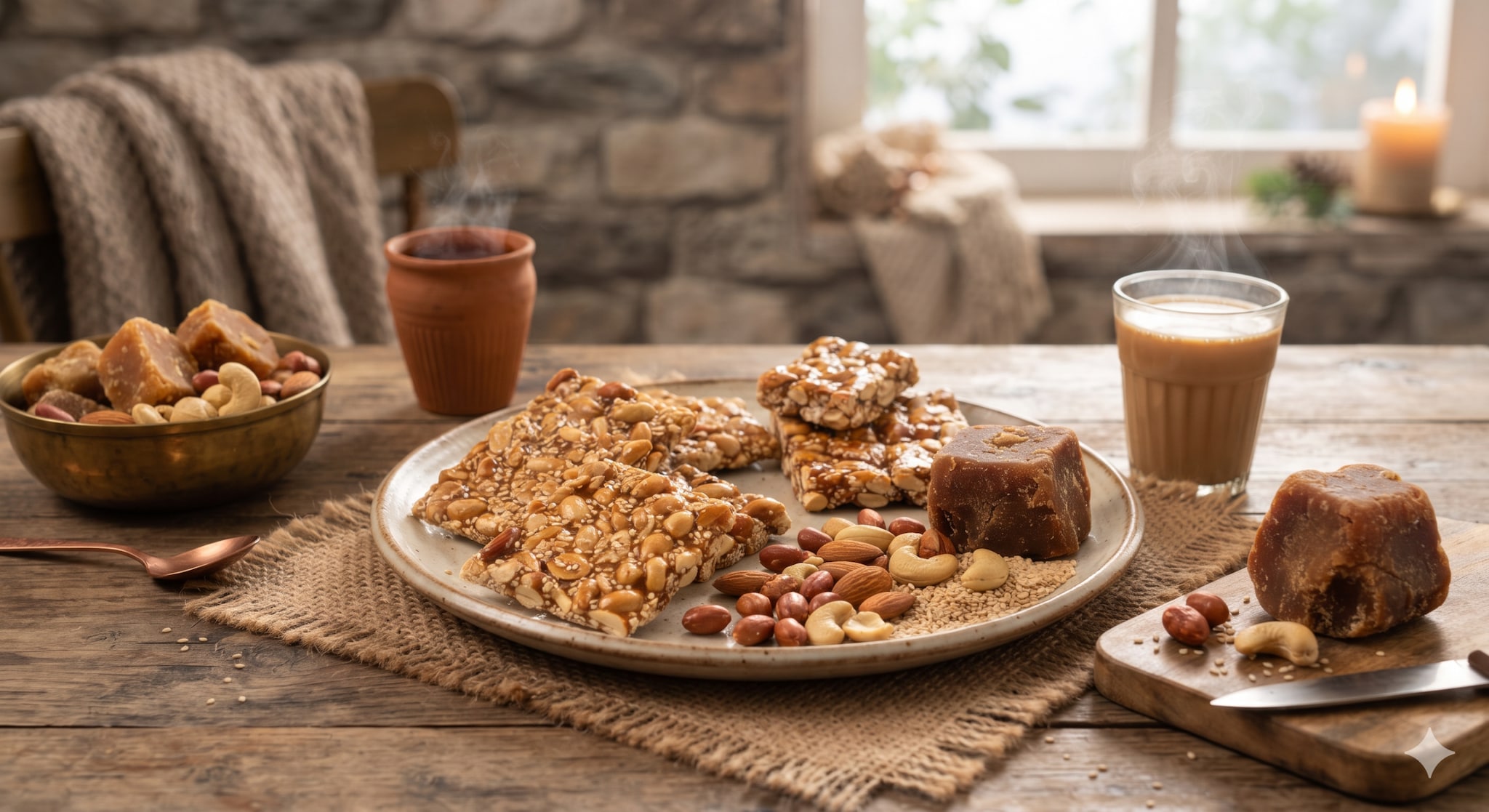
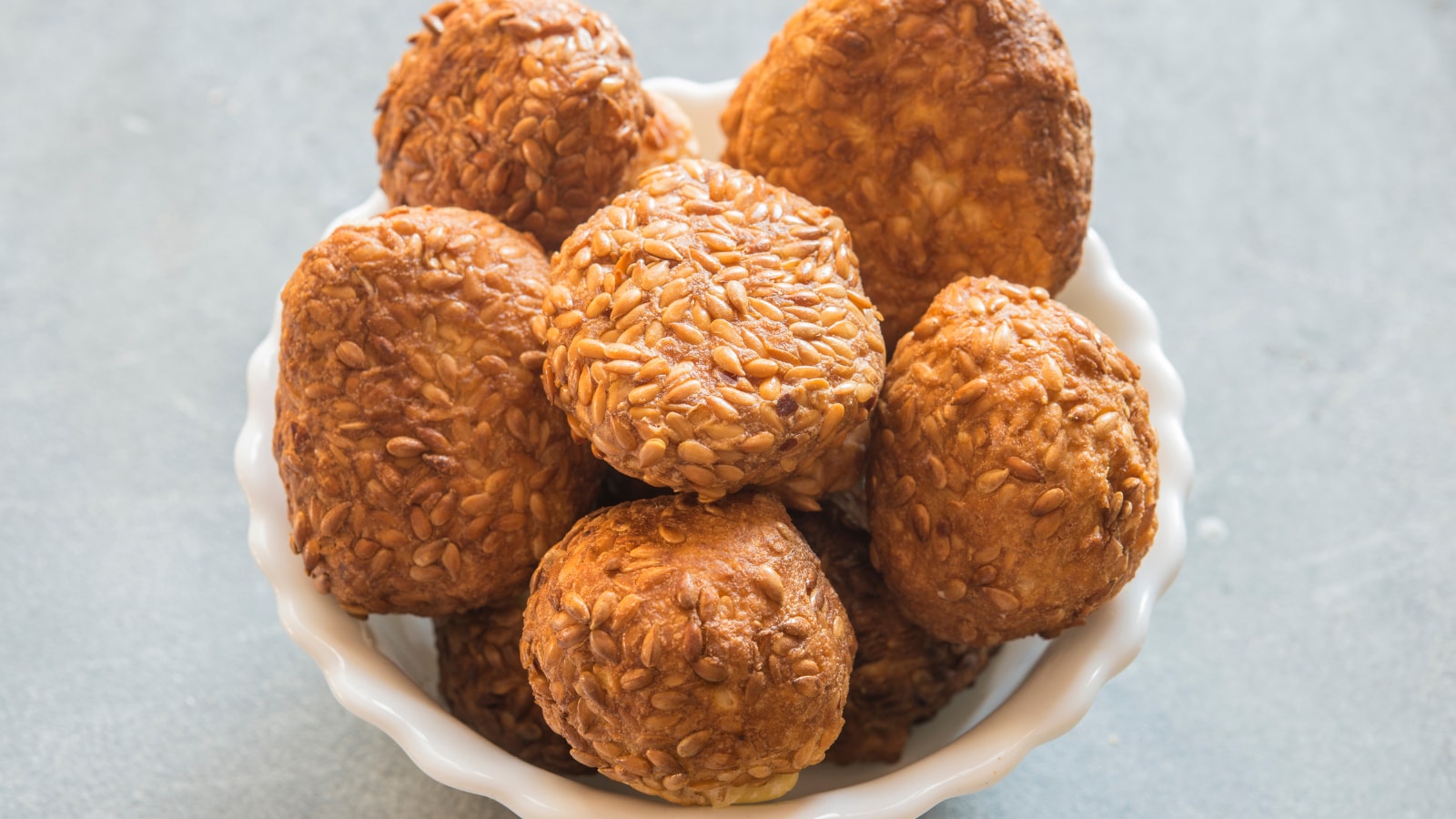
Til-gud ladoos bring together two familiar winter ingredients: sesame seeds and jaggery. Sesame seeds contain calcium, magnesium, zinc and predominantly unsaturated fats, while jaggery lends the ladoos their characteristic sweetness.
To make them, lightly roast sesame seeds until fragrant. Separately, melt jaggery with a little water to form a sticky syrup, then mix in the roasted seeds and shape the mixture into small balls while it is still warm. These ladoos make a convenient snack, but remember that jaggery is still an added sugar, so enjoy them in moderation.
5. Gujarati Undhiyu
Gujarati undhiyu celebrates the variety of vegetables available during winter. This traditional mixed-vegetable preparation often includes surti papdi, purple yam, sweet potatoes, brinjal, raw banana and methi muthiyas. The vegetables are cooked with a flavourful mixture of coriander, coconut, green chillies, ginger and spices.
The combination makes undhiyu a source of dietary fibre and several vitamins and minerals, depending on the ingredients used. Traditionally cooked slowly, it is often served with puri or rotli. You can also enjoy it with plain phulka for a lighter meal.
6. Gond Laddu
Gond laddus are traditional winter sweets made using edible gum, whole wheat flour, ghee, jaggery, nuts and dry fruits. The gond is fried in ghee until it puffs up, then crushed and mixed with roasted flour, chopped almonds, cashews and a jaggery-based mixture before being shaped into laddus. Nuts provide healthy fats, while whole wheat flour contributes fibre and carbohydrates.
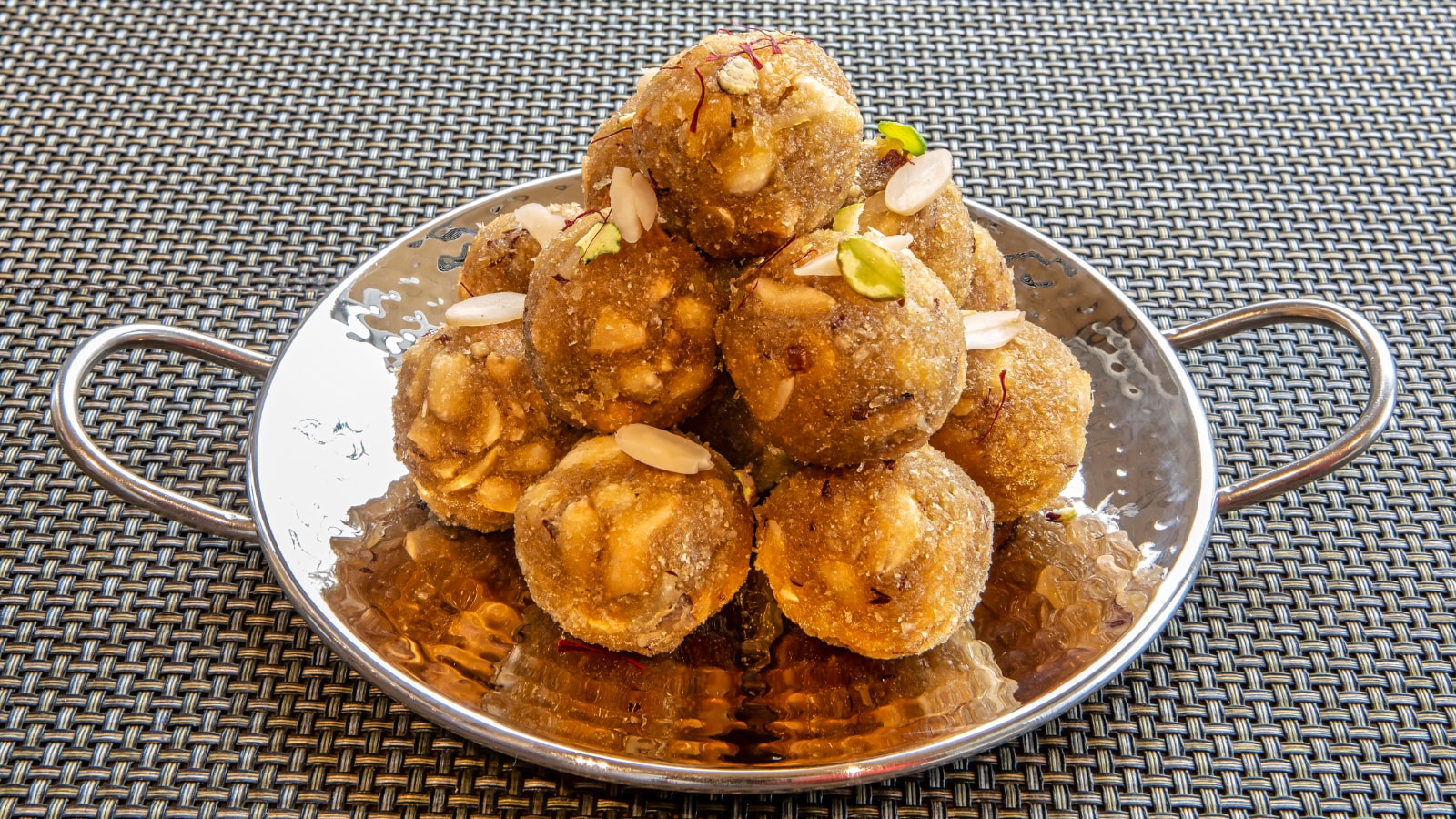
These laddus are energy-dense and are often enjoyed as a filling snack during colder months. A small serving is generally sufficient, particularly if you are watching your overall sugar and calorie intake.
7. Fresh Amla
Amla, or Indian gooseberry, is a seasonal favourite known for its high vitamin C content. Vitamin C supports normal immune function, helps the body form collagen and improves the absorption of iron from plant-based foods. If its sharp, tangy taste feels too strong, try making a simple amla-ginger chutney.
Deseed and chop two or three fresh amlas, then blend them with a small piece of ginger, coriander leaves, green chilli, roasted cumin and a pinch of salt. Add a little water to adjust the consistency. This chutney pairs well with khichdi, parathas and dal-rice.
8. Nihari Gosht
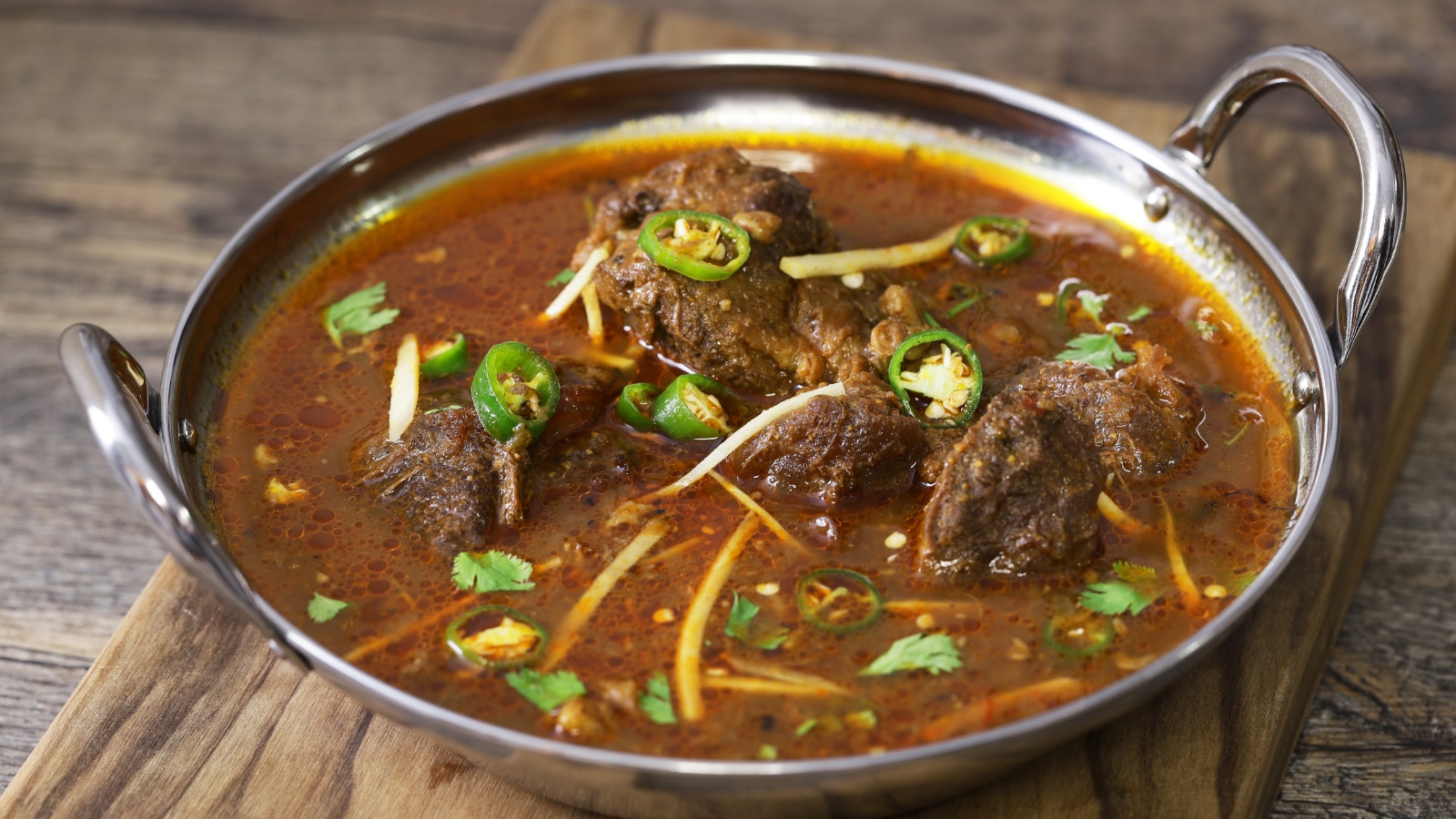
For those who enjoy meat-based winter meals, nihari gosht is a slow-cooked favourite. Traditionally prepared with mutton or beef, the dish involves simmering meat with ginger, garlic, whole spices and a blend of aromatic seasonings until it becomes tender.
The long cooking process gives the gravy its rich consistency and deep flavour. Meat provides protein, iron and vitamin B12, which support muscle function and healthy red blood cell formation. Nihari is often served with naan or khameeri roti, along with ginger, green chillies and lemon. Since its richness can vary with the cut of meat and amount of fat used, portion size matters.
From millet-based meals and seasonal greens to traditional sweets and slow-cooked delicacies, winter offers plenty of ways to bring variety to your plate. Enjoy these favourites as part of a balanced diet, with sensible portions and a mix of vegetables, whole grains and protein-rich foods.