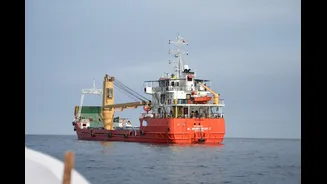




Iran’s Foreign Minister Seyed Abbas Araghchi said that the passage for all commercial vessels through the Strait of Hormuz has been declared fully open for the remaining period of the Lebanon ceasefire,
marking a significant easing in maritime restrictions in one of the world’s most strategic waterways.
In a post on X (formerly Twitter), Araghchi said, “In line with the ceasefire in Lebanon, the passage for all commercial vessels through the Strait of Hormuz is declared completely open for the remaining period of ceasefire, on the coordinated route as already announced by Ports and Maritime Organisation of the Islamic Republic of Iran.”
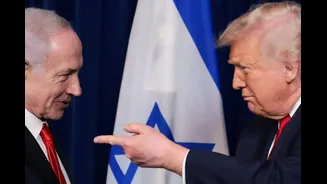
Following a statement from Iran, US President Donald Trump thanked Tehran in a post on his social media platform Truth Social. He wrote, “Iran has just announced that the strait of Iran is fully open and ready for full passage. Thank you.”
Read more: ‘Will Actively Pursue’: US To Target Iran-Linked Ships Worldwide Amid Blockade Pressure
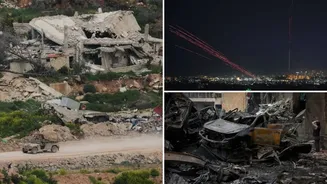
The announcement follows Trump’s declaration that Israel and Lebanon have agreed to a 10-day ceasefire. There was no reference in Trump’s statement to Hezbollah, the Iran-backed militant group based in Lebanon, which has been engaged in cross-border exchanges of fire with Israel over the past weeks. However, in a later post on Truth Social, Trump urged the group to respect the truce, saying, “I hope Hezbollah acts nicely and well during this important period of time.”
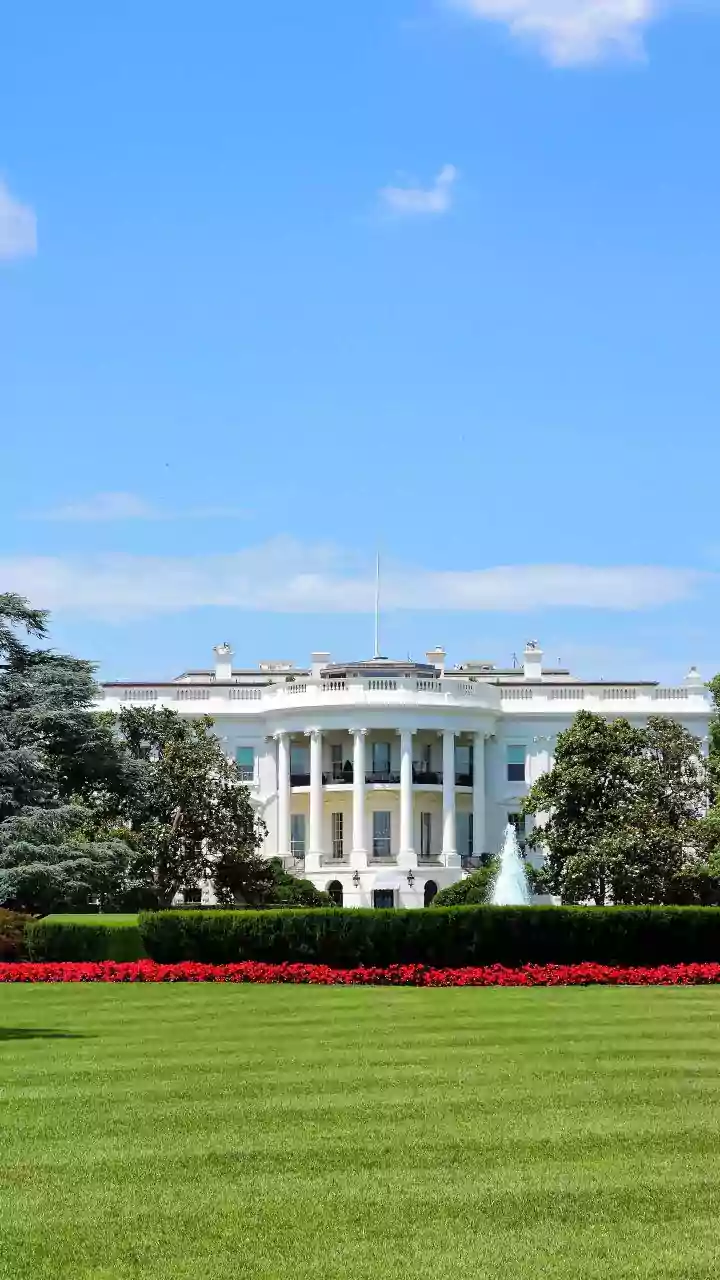
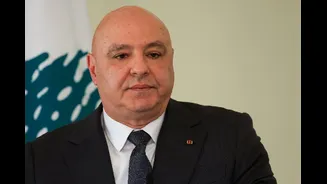
Following the announcement, Trump also invited Israeli Prime Minister Benjamin Netanyahu and Lebanese President Joseph Aoun to the White House for further discussions aimed at stabilising the situation and advancing diplomatic engagement.
Read more: Not US, Israel Or Iran, These 4 Sectors Are The Winners Of The War That Hit Global Economy
Under the terms outlined by US officials, the ceasefire is set to last 10 days, with the possibility of extension by mutual agreement if negotiations show progress. Israel retains what the agreement describes as its right to take “necessary measures in self-defence” against imminent or ongoing threats, while Lebanon is expected to prevent attacks by Hezbollah and other armed groups operating within its territory. The deal also places responsibility for internal security on Lebanon’s state security forces and calls for continued US-facilitated talks to address outstanding issues.
Read more: Iran Denies Trump’s Claim On Handing Over Enriched Uranium: ‘No Such Deal’
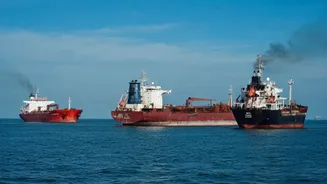
The Strait of Hormuz remains one of the world’s most critical maritime chokepoints, carrying a significant share of global oil and gas shipments. Even temporary changes in access or restrictions in the waterway can have major implications for global energy markets and shipping security.