





The United States is not appeased with Oman’s neutral stance in the Iran war and is now pressing Muscat to choose a side, according to a report published by The Wall Street Journal.
When the US-Iran war
started, the government officials in Oman rushed to establish a back channel with Tehran. According to the Arab officials, this back channel helped Gulf states reopen flight corridors, a diplomatic breakthrough enabled by Muscat’s steadfast neutrality in the conflict.
After three months, Oman’s neutral stance in the US-Iran war is backfiring on the country. The United States is decoding Oman’s approach towards Iran as hostile to America.
According to US and Arab officials, Washington is now pressing Oman to choose a side and snap its diplomatic ties with Iran, according to WSJ.
Trump Threatens To Bomb Oman
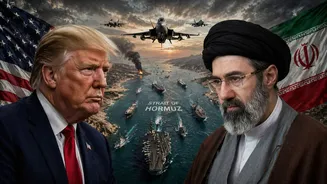
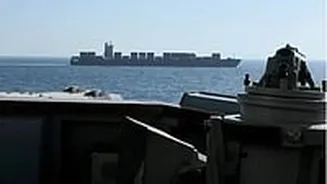
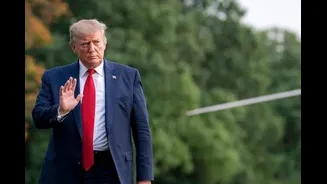
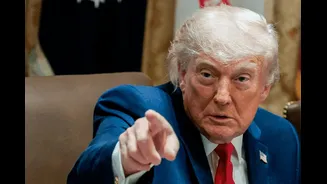
In the past few days, US President Donald Trump has threatened to sanction and bomb Oman, after a new intelligence assessment reported that Iran has explored a joint arrangement with Oman to levy fees on ships transiting the Strait of Hormuz, despite warnings from the Trump administration against imposing charges in the vital international waterway.
Trump warned Oman, a US ally, not to sign any agreement with Iran over control of the Strait of Hormuz or else face bombings from America.
Also Read:‘Will Have To Blow Oman Up’: Trump Says Nobody Will Control Hormuz, Dismisses Iran’s Proposal
“Oman will behave just like everybody else, or we’ll have to blow them up. They understand that. They’ll be fine,” Trump said.
US Treasury Secretary Scott Bessent also warned that sanctions would be imposed on Oman if it charged ships for passage through the strait.
Speaking to reporters the next day, Bessent said he spoke to Oman’s ambassador to Washington, Talal Alrahbi, and the envoy assured him that the Gulf state has “no plans for tolling.”
Reacting to reports of the US pressure to sever links to Iran, Oman’s Information Minister Abdulla Al-Harrasi said, “Oman stands ready to work with the United States and all responsible partners to promote stability, deter disruption, and safeguard our shared strategic interests.”
Oman’s Stance In The US-Iran War
During the ongoing conflict, Oman sought to maintain a delicate balance between the US, its longstanding strategic partner, and Iran, its influential neighbour across the Strait of Hormuz, The Wall Street Journal reported.
That balancing act, however, is becoming increasingly difficult. Supporting the US too closely could expose Oman to retaliation similar to the attacks Iran directed at other Gulf states during the conflict.
Also Read: ‘Won’t Tolerate’: US Warns Oman Against Supporting Iran’s Hormuz Toll Plan, Threatens Sanctions
Muscat, which has acted as a mediator between Iran and the United States during nuclear talks, has avoided directly blaming Tehran for disruptions to shipping in the Strait of Hormuz and for missile and drone attacks across the region.
As fighting escalated, Omani Foreign Minister Badr Albusaidi publicly warned that the conflict was undermining regional security and suggested Gulf nations reassess their dependence on US-led security arrangements.
Throughout the conflict, Iran exerted significantly less military pressure on Oman than on other Gulf states in the region.
Arab and US officials also said Omani territory was used to facilitate limited logistical support for American military operations in the early stages of the conflict. A US official, however, described the assistance as modest in scope, as per WSJ.
Strains Emerge In US-Oman Ties
According to US officials, concerns within the Trump administration about Muscat began to emerge a day before the first joint US-Israeli airstrikes.
The officials pointed to remarks by Oman’s foreign minister during a television interview in the United States, in which he said an agreement on nuclear issues aimed at preventing conflict was “within our reach, if we just allow diplomacy the space it needs to get there.”
US officials disputed that assessment, saying negotiations had not reached such an advanced stage and that Iran had yet to present what they considered a meaningful proposal to curb its nuclear activities.
Also Read: Why Trump Has Turned Against Key US Ally Oman Amid Iran Negotiations
Since then, the Trump administration has sought to reduce Oman’s role in diplomatic efforts related to the issue, the officials said.
They added, however, that there is no active plan to target Oman over its backing of Iran, despite comments made by Trump during a Cabinet meeting last week.
The recent deterioration in relations with Washington has reportedly caught Omani leaders off guard. According to Arab officials, authorities in Muscat are now assessing the implications of the shift and weighing how to respond to the matter.
Oman’s Neutrality Rankles Gulf Allies
Oman’s approach toward Iran has drawn criticism not only from the United States but also from key regional partners, particularly the UAE and Saudi Arabia, which view Muscat as maintaining unusually close ties with Tehran.
Arab officials said tensions have been aggravated by Oman’s repeated refusal to join joint statements issued by the US and other regional governments condemning Iranian attacks.
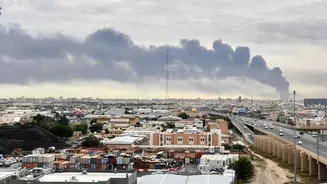
According to the officials, Oman also refrained from publicly blaming Iran after drones struck facilities at Omani ports, limiting its response to acknowledging the incidents.
During the conflict, Omani Sultan Haitham bin Tariq Al Said became the only Gulf leader to congratulate Mojtaba Khamenei following his appointment as Iran’s supreme leader after the death of his father, Ali Khamenei.
Arab officials said Omani authorities have defended their decision not to directly criticise Iran, including over the blockade of the Strait of Hormuz, arguing that the stance is aimed at supporting efforts to bring the conflict to a lasting end.
“In a volatile region, responsible leadership means keeping channels of communication open and preventing tensions from escalating into conflict,” Omani Information Minister Abdullah bin Nasser Al Harrasi said.