








World Bee Day 2026: Bees rarely get attention until something goes wrong—when crop yields fall, flowers bloom without fruit, or honey becomes harder to find. Yet these tiny pollinators quietly hold together
some of the most important systems that sustain human life.
From the food on our plates to the balance of natural ecosystems, bees play a far larger role than most people realize.
World Bee Day 2026 arrives at a time when this delicate balance is under pressure. Rapid urbanisation, intensive farming practices, and climate change are reshaping landscapes across India and the world, often in ways that make survival harder for both managed honeybees and wild pollinators.
At the same time, awareness about their importance is finally growing, along with efforts to protect them through policy, farming reforms, and community action.
World Bee Day 2026 Theme
Observed every year on May 20, World Bee Day is more than a symbolic event. It is a reminder that human well-being is deeply connected to pollinators.
The 2026 theme, “Bee Together for People and the Planet – A partnership that sustains us all”, captures this interdependence clearly. Protecting bees is no longer just an environmental concern; it is a question of food security, rural livelihoods, and ecological survival.
Why Bees Matter More Than Ever
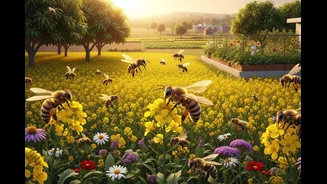
Bees are among the most effective pollinators in nature, supporting the reproduction of flowering plants and a significant portion of global agriculture. Many fruits, vegetables, and oilseed crops depend heavily on insect pollination to achieve healthy yields.
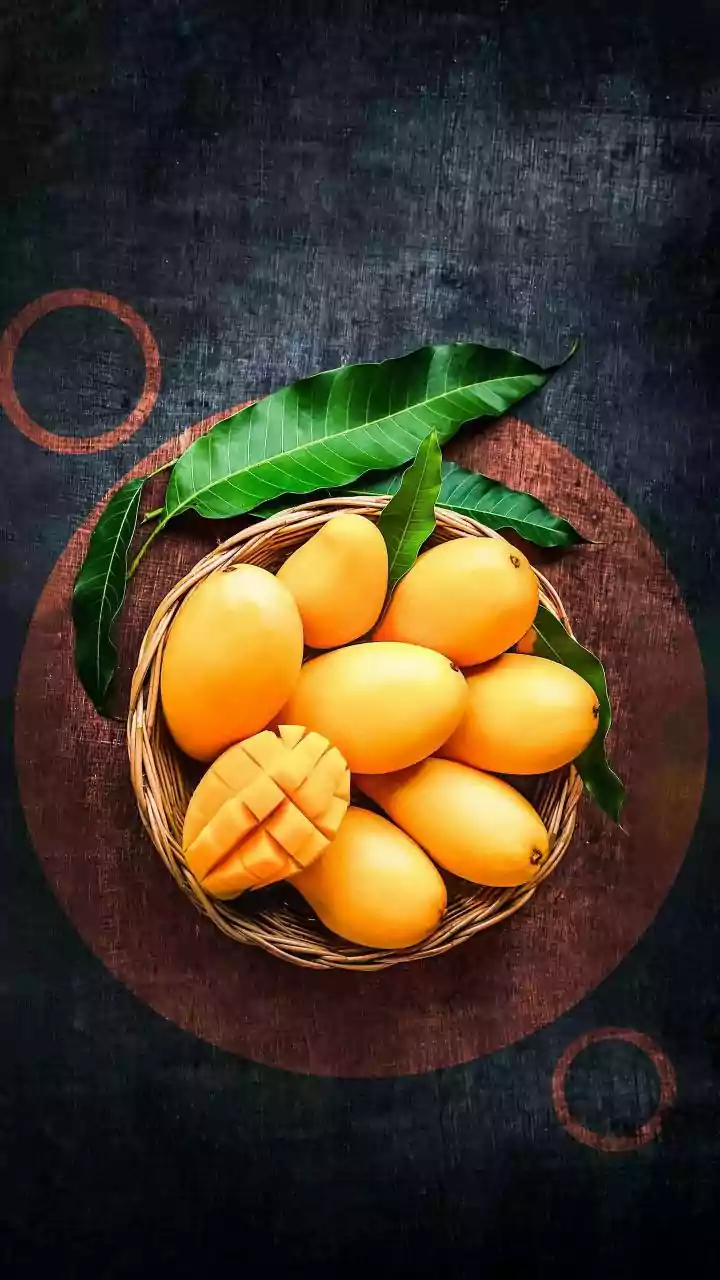
In India, this role is especially critical. Crops like mustard, sunflower, mango, litchi, citrus, and a wide range of vegetables benefit directly from bee activity. Beyond agriculture, bees also support wild ecosystems by maintaining plant diversity and enabling natural regeneration in forests and grasslands.
Their contribution extends beyond ecology into economics. Beekeeping provides supplementary income for farmers and rural households, often becoming an important secondary livelihood. It also integrates well with sustainable agriculture practices, making it a valuable part of rural development strategies.
Wild Bees vs Honeybees: Why Both Matter
A common misconception is that only honeybees matter.
Honeybees
- Managed in hives for honey and pollination services
- Important for agriculture and commercial beekeeping
Wild bees
- Include solitary bees and native species
- Often more efficient at pollinating specific crops and wild plants
- Cannot be domesticated easily but are essential for biodiversity
Protecting ecosystems means protecting both managed honeybees and wild pollinators.
Threats Facing Bees in India Today
The decline in bee populations is not caused by a single factor but by multiple overlapping pressures.
One of the most significant threats is pesticide use in agriculture. Certain chemical pesticides can disrupt bees’ ability to navigate, forage, and reproduce, weakening entire colonies over time.
Habitat loss is another major challenge. Expanding cities, infrastructure development, and shrinking green spaces reduce nesting sites and food sources. In urban environments, even natural colonies often struggle to survive due to human conflict and lack of awareness.
Climate change adds another layer of stress. Irregular rainfall patterns, rising temperatures, and shifting flowering seasons can disrupt the timing between plant blooms and bee activity, reducing food availability.
Modern farming practices, particularly monoculture cultivation, also limit biodiversity. Large fields with a single crop type do not provide continuous nectar sources, forcing bees to travel longer distances or face food shortages.
Diseases and parasites further threaten managed colonies, especially when bees are kept in dense populations.
Efforts to Protect Pollinators in India
India has increasingly recognized the importance of pollinators in agriculture policy. Programs such as the National Beekeeping & Honey Mission support scientific beekeeping, training, and infrastructure development to strengthen the sector.
Agricultural extension systems and Krishi Vigyan Kendras also play a role in educating farmers about sustainable practices, including pollination management and reduced pesticide dependency.
The broader idea of the “Sweet Revolution” has helped bring beekeeping into discussions around rural income diversification and agricultural sustainability.
However, long-term success depends not only on government initiatives but also on farmer participation, urban awareness, and ecological protection at the community level.
How Everyday Actions Can Make a Difference
Protecting bees does not always require large-scale intervention. Small changes at the individual and community level can have a meaningful impact.
Planting native flowering species helps create consistent food sources for pollinators. Reducing or carefully managing pesticide use can significantly improve survival rates. Supporting local beekeepers ensures that traditional and sustainable honey production continues to grow.
Even urban spaces can contribute. Balconies, terraces, and community gardens can be transformed into pollinator-friendly environments. Preserving wild green patches and avoiding unnecessary destruction of natural nests also supports biodiversity in cities.
Awareness is equally important. Understanding that bees are not threats but essential ecological partners can shift how communities respond when colonies are found in residential areas.
World Bee Day 2026 is a reminder that bees are not separate from human progress, they are embedded within it. Their survival is directly tied to food systems, biodiversity, and environmental stability.
Protecting bees is ultimately about protecting the future of agriculture and the health of ecosystems that sustain life itself. Even small actions, when multiplied across communities, can help restore balance between humans and nature.