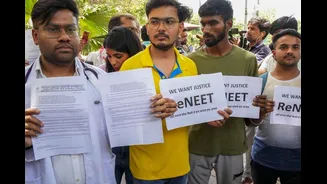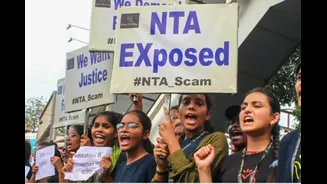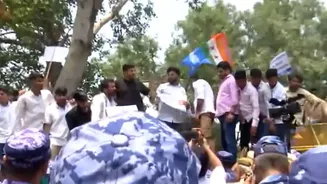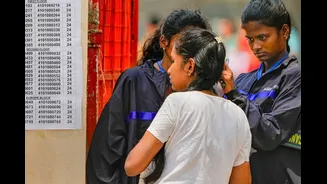








Amid claims of paper leak, the Centre has cancelled the NEET-UG 2026 examination conducted on May 3 and announced that the country’s biggest undergraduate medical entrance test will be re-conducted on dates
to be notified separately.
The government has also referred the matter to the Central Bureau of Investigation (CBI) for a comprehensive probe into the allegations.
National Testing Agency (NTA) said the decision was taken after inputs were examined in coordination with central agencies, and findings shared by law enforcement agencies raised concerns over the integrity of the examination process.
How is an exam fraud cracked? SIT, CBI and ED, which agency handles which aspect of the investigation? News18 explains
CRACKING AN EXAM FRAUD
Cracking exam fraud in India such as the 2024 NEET-UG paper leak or the 2021 Rajasthan RPSC scam is rarely the job of just one agency. Instead, it involves a tiered response where State SITs handle the immediate mess, the CBI takes on the national network, and the ED follows the money.
1. State Special Investigation Teams (SITs): The “First Responders” for local leaks
What they can do: Act immediately when a leak is detected during or before a state-level exam. They handle arrests of local “paper mafias,” dummy candidates, and coaching centre owners.
What they can’t do: Easily pursue suspects across state borders without extensive coordination. They are also often vulnerable to local political pressure if the scaminvolves state officials or politicians.
2. Central Bureau of Investigation (CBI): The “Premier Investigator” for systemic and multi-state networks
What they can do: Investigate complex, organized crime syndicates that operate across multiple states or international borders (e.g., Russian hackers in JEE Mains). They are the go-to for exams with national significance like NEET or UPSC.
What they can’t do: Start an investigation “suo-moto” (on their own) within a state without that state’s General Consent, unless ordered by the Supreme Court or a High Court.
3. Enforcement Directorate (ED): The “Financial Specialist” that hits them where it hurts.
What they can do: Launch a parallel investigation under the Prevention of Money Laundering Act (PMLA) once a “predicate offence” (the actual fraudor corruption) is registered by the police or CBI. They can attach (seize) properties bought with the “proceeds of crime”—essentially bankrupting the scam artists.
What they can’t do: Investigate the theft or leak of the paper itself; they only focus on the money generated from selling it.