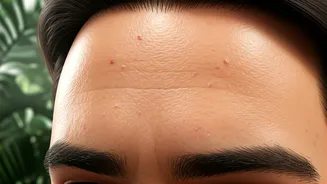








Acne can become a common concern during the monsoon season. Increased humidity, sweat, dirt, pollution, and fluctuating temperatures create the perfect environment for clogged pores and breakouts. Many
people who enjoy relatively clear skin throughout the year suddenly find themselves dealing with oily skin, blackheads, whiteheads, and painful pimples during the rainy months.
Dr Geetika Srivastava, dermatologist and founder, Influennz Clinic, shares how acne consultations tend to rise significantly during the monsoon season. The good news is that a few simple lifestyle and skincare modifications can go a long way in preventing breakouts. Here are her dermatologist-approved tips to keep acne at bay this monsoon.
1. Watch Your Diet
What you eat can significantly influence your skin health, especially if you are acne-prone. Dr Srivastava points out that the monsoon season also coincides with mango season. While mangoes are nutritious and delicious, they are naturally high in sugar and can cause a rapid rise in blood glucose levels when consumed in excess. For some people who are prone to acne, repeated blood sugar spikes may stimulate hormonal pathways that increase oil production and inflammation.
The issue becomes even more pronounced when mangoes are consumed as shakes, smoothies, or desserts loaded with additional sugar and dairy. Research suggests that high-glycaemic foods and excessive dairy consumption may aggravate acne in individuals who are prone to breakouts.
This does not mean you need to eliminate mangoes completely from your diet. Moderation is key. Instead of consuming large quantities every day, enjoy them occasionally and avoid pairing them with added sugar.
Apart from mangoes, try limiting:
Sugary beverages
Desserts and confectionery
Excessive dairy products
Refined carbohydrates
Deep-fried snacks
Instead, focus on a balanced diet rich in vegetables, fruits, lean proteins, nuts, seeds, and plenty of water to support healthy skin.
2. Follow a Simple Skincare Routine
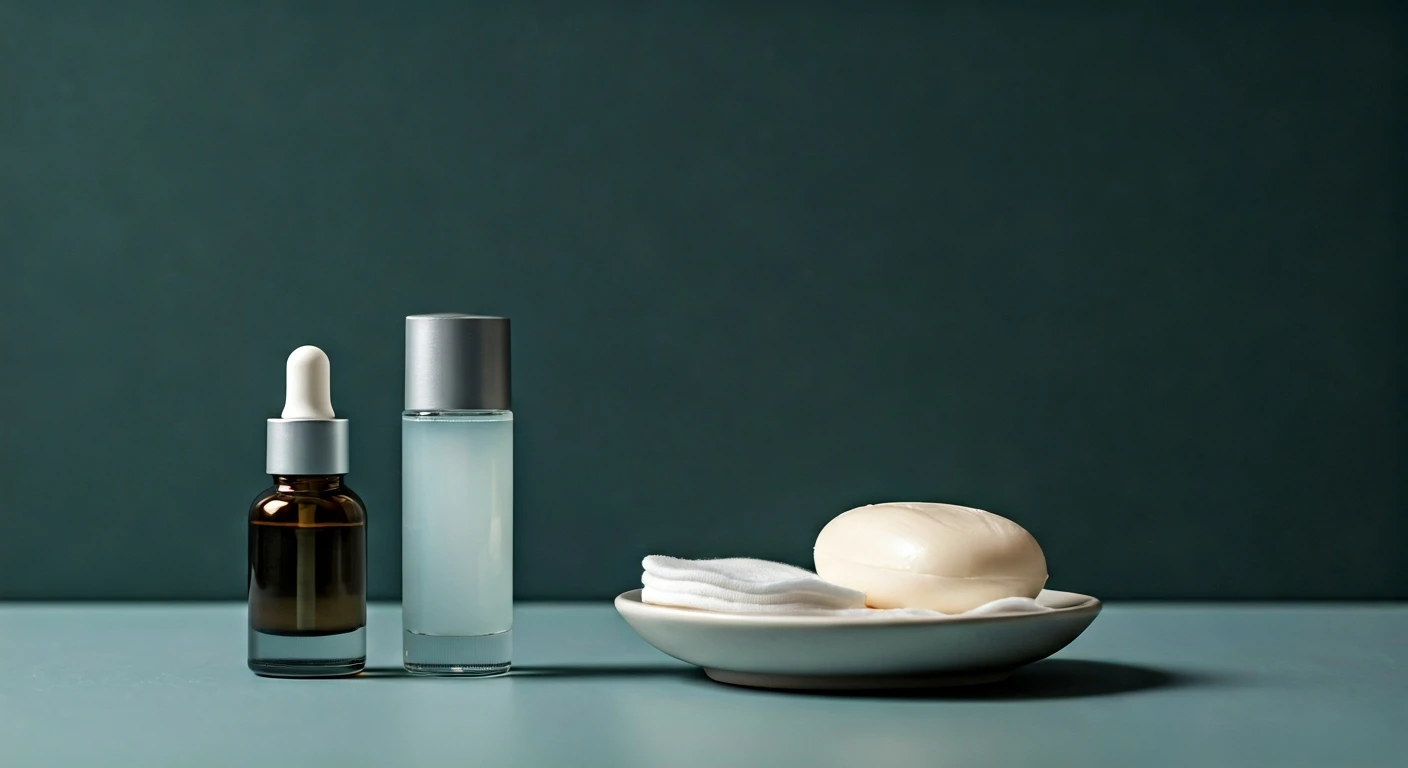
According to Dr Srivastava, one of the biggest mistakes people make during the monsoon is overloading their skin with too many products. A simple skincare routine often works best.
Your monsoon skincare essentials should include:
A gentle or exfoliating cleanser suitable for oily skin
A lightweight, non-comedogenic moisturiser
A broad-spectrum sunscreen
Many people believe moisturisers are unnecessary during humid weather. However, skipping moisturiser can sometimes lead to dehydration, prompting the skin to produce even more oil. The key is to choose a lightweight, gel-based or water-based moisturiser that won’t clog pores.
Monsoon is not the season for complicated 10-step skincare routines. Layering multiple serums, essences, creams, and facial oils can increase the chances of pore congestion and breakouts, particularly in individuals with oily or acne-prone skin.
When it comes to acne prevention, simplicity often wins.
3. Be Selective With Active Ingredients
Not every active ingredient suits every skin type during the monsoon.
Many people are influenced by social media trends and begin using multiple exfoliating acids, retinol products, and treatment serums simultaneously. This can compromise the skin barrier, leading to irritation, redness, and worsening acne.
Dr Srivastava recommends focusing on ingredients with proven benefits for acne management, including:
Salicylic acid
Niacinamide
Azelaic acid
At the same time, avoid experimenting with too many new products at once.
Remember, skincare isn’t about using more products, it’s about using the right products consistently.
If your skin is already breaking out, it is always advisable to consult a dermatologist before introducing multiple active ingredients into your routine.
4. Use Clay Masks Once or Twice a Week
One of Dr Srivastava’s favourite home-care recommendations for oily and acne-prone skin during the monsoon is incorporating a clay mask into your weekly skincare routine.
Clay masks help absorb excess sebum, reduce surface oiliness, and leave the skin feeling fresh and clean. While they are not a treatment for acne, they can be an excellent addition to an acne-friendly skincare routine.
Popular options include:
Kaolin clay for sensitive skin
Bentonite clay for oily skin
Green clay for combination skin
Using a clay mask once or twice a week is usually sufficient. Excessive use may dry out the skin and trigger compensatory oil production.
As Dr Srivastava advises, consistency is far more important than frequency.
5. Choose Makeup Wisely
Heavy makeup can be problematic during humid weather.
Dr Srivastava advises choosing lightweight formulations, as sweat, oil, pollution, and long-wear foundations can combine to clog pores and contribute to acne formation. If you wear makeup regularly, opt for products labelled:
Non-comedogenic
Oil-free
Mineral-based
Mineral makeup formulations are often lighter on the skin and less likely to contribute to congestion.
Equally important is proper makeup removal. Sleeping with makeup on is one of the quickest ways to trigger breakouts. Always cleanse thoroughly before bedtime, regardless of how tired you may be.
On days when your skin feels excessively oily, consider skipping foundation altogether and opting for a tinted sunscreen instead.
6. Consider Professional Acne-Friendly Treatments
According to Dr Srivastava, individuals who continue to experience recurrent breakouts despite following a good skincare routine may benefit from professional dermatologist-supervised treatments.
Regular medi-facials and chemical peels can help keep pores clean, reduce oiliness, and prevent acne flare-ups during the monsoon season.
Some of the most popular acne-friendly treatments include:
Acne Rescue
This treatment combines acne-focused chemical peels, such as salicylic acid, azelaic acid, or Black Peel, with professional comedone extraction.
The treatment helps unclog pores, reduce congestion, and promote smoother, healthier-looking skin.
Aqua Fairness
Aqua Fairness combines gentle exfoliation with OxyJet technology to deeply cleanse, exfoliate, and hydrate the skin.
It is particularly beneficial for individuals dealing with both tanning and acne-prone skin, making it an excellent monsoon skincare option.
Photofacial Pro
Photofacial Pro combines an acne-focused peel with Intense Pulsed Light (IPL) technology.
While the peel helps clear clogged pores and reduce breakouts, IPL targets pigmentation and sun-induced skin damage, resulting in brighter, clearer, and healthier-looking skin.
Dr Srivastava concludes that monsoon acne is largely preventable with the right combination of skincare, diet, and professional guidance. The key is to avoid overcomplicating your routine. Instead, focus on gentle cleansing, lightweight hydration, daily sun protection, balanced nutrition, and timely professional treatments when needed.
Your skin already has enough to deal with during the humid monsoon months. A simple, consistent, and dermatologist-approved approach is often all it takes to keep breakouts under control and maintain healthy, glowing skin throughout the season.