





Iran’s Islamic Revolutionary Guard Corps (IRGC) has threatened that bases of the United Kingdom, if used by Americans to launch attacks against them, can be “legitimate targets”. The elite armed force
of Iran also claimed that the United States has changed its military tactics following the “official resumption of the war”, pointing to a shift from naval strikes to long-range bomber operations.
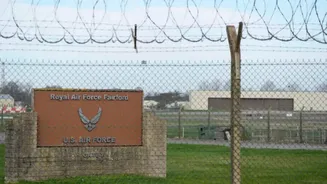
In a statement, the IRGC said, “After the official resumption of the war, the invading U.S. military had been using cruise missiles launched from its naval vessels in the Indian Ocean.” It added that the situation evolved after those assets were allegedly depleted, stating, “However, after those ships exhausted their missile stockpiles, yesterday it resorted to using B-1 bombers flying from RAF Fairford in the United Kingdom.”
The statement marks a significant escalation in rhetoric, as Iran directly referenced a UK-based air facility in the context of ongoing hostilities. It also underlined Tehran’s warning to countries hosting US military infrastructure.
“As officials from the Ministry of Foreign Affairs have also stated, any base used to launch attacks against Iranian territory is considered a legitimate target for us,” the IRGC threatened.
The remarks come amid intensifying tensions across West Asia, where the conflict between the United States and Iran has continued to expand beyond direct engagements. The use of long-range bombers suggests a widening operational scope, potentially drawing in additional geographies and increasing the risk of further escalation.
Military analysts, as per media reports, have noted that such a shift could indicate both logistical adjustments and a strategic recalibration by Washington as the conflict stretches on. At the same time, Iran’s warning raises concerns among US allies in the region and beyond, particularly those hosting American bases or supporting its operations.
The broader war environment has already seen multiple flashpoints emerge, from maritime tensions in key shipping lanes to proxy confrontations involving armed groups aligned with Tehran. These developments have heightened fears of a wider regional conflict, with critical infrastructure and international trade routes increasingly at risk.
With both sides signalling readiness to escalate, the situation remains volatile, and the involvement of additional territories or actors could further complicate efforts to contain the conflict.