
Budget travel in 2026 is undergoing a quiet but significant transformation. It is no longer defined by simply spending less, but by spending intentionally, choosing experiences that offer value, predictability,
and meaning. As travel patterns evolve, experts across mobility, hospitality, and tourism agree on one thing: the future of budget travel is smarter, more local, and deeply aligned with comfort and sustainability.
For Rohan Dewan, CEO and co-founder, LeafyBus, 2026 marks a shift away from airfare anxiety toward dependable intercity travel. “Budget travel today isn’t about cutting corners,” he explains. “Travellers are taking more frequent trips, choosing closer destinations, and looking for reliable ways to move between cities without worrying about volatile airfares or last-minute price spikes.”
From an electric bus operator’s perspective, Dewan sees this as a pivotal moment. EV-based intercity travel offers transparent pricing, stable schedules, and insulation from fuel-driven volatility. “For travellers, this translates into fewer seasonal surges and easier planning—especially for short, spontaneous getaways,” he says. Just as importantly, electric buses are enabling access to emerging towns and cultural destinations beyond traditional tourist hubs, supporting slower, more meaningful journeys while reducing environmental impact. “As charging infrastructure improves, EV buses will play a central role in shaping affordable and sustainable travel,” Dewan adds.
Affordability, however, is only one part of the equation. According to Sandeep Singh, founder, Rubystone Hospitality, 2026 will be one of the easiest years yet for budget-conscious travellers provided they are prepared and flexible. “The industry is offering incredible opportunities, from fare alerts and promotional airfares to off-peak and shoulder-season travel,” he notes. Flexible travellers who plan around timing rather than fixed dates stand to gain the most.
Singh also points to a rise in shorter stays across multiple regions, weekend trips, and drive-to destinations. “People are travelling more often, but for shorter durations and that’s keeping costs down while still delivering rich experiences,” he says. Destinations such as Mussoorie, Lansdowne, Udaipur, Rishikesh, Naukuchiatal, and Bharatpur continue to attract budget travellers with their low daily costs, cultural depth, and natural beauty.
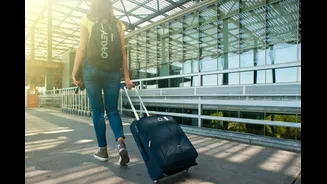
His advice for keeping costs in check remains refreshingly simple: rely on public transport, eat local street food, pack light to avoid baggage fees, and choose hostels or guesthouses over chain hotels where possible. “Be prepared, stay flexible, and prioritise value,” Singh emphasises. “That’s how budget travel works best in 2026.”
The definition of “value,” however, is also evolving particularly in the hospitality space. Sandeep Kumar Rajput, Commercial Director at Espire Hospitality Limited, believes budget travellers are becoming more discerning. “In 2026, budget travel won’t mean choosing the cheapest option, it will mean choosing the smartest one,” he says. Today’s travellers want comfort, safety, cleanliness, and consistency, even when travelling on a budget.
Rajput observes a clear trend toward shorter, more frequent trips, with strong growth in tier-2 and tier-3 cities. Weekend getaways and drive-to destinations are becoming preferred choices for affordable escapes. To cater to this shift, Espire Hospitality is launching a new brand, Smart Stays by Country Inn, with its first opening in Rishikesh. “Smart design, warm hospitality, and effortless comfort are the pillars of this brand,” he explains.
Another notable shift is what Rajput calls “smart budgeting.” Travellers may save on room rates but are willing to spend on experiences that enhance their stay, whether that’s farm-fresh food, wellness activities, or on-site entertainment. “Value is no longer transactional,” he says. “It’s experiential.” From nature-led stays in Bhimtal to cultural immersions in Amritsar, Rajput believes trusted hotel brands that consistently deliver quality will win long-term loyalty over unknown low-cost options.
Taken together, these perspectives paint a clear picture of budget travel in 2026. It is local yet aspirational, affordable yet comfortable, and increasingly aligned with sustainability and thoughtful planning. Whether it’s choosing EV buses over flights, timing trips strategically, or opting for trusted brands that offer meaningful experiences, budget travellers are redefining luxury on their own terms.
In 2026, affordability meets intention and value becomes the new currency of travel.