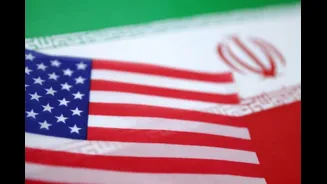





Amid the two-week ceasefire, neither the United States nor Iran can be definitively declared the “winner” of their recent conflict, say experts. However, both the nations are claiming victory based on different
strategic metrics. News18 explains the logic behind the claims.
Why the US claims victory
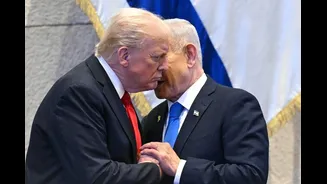
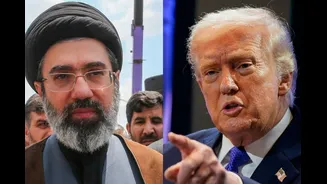
The United States, under President Donald Trump, has declared a “total and complete victory”.
According to BBC News, the US narrativecentres on:
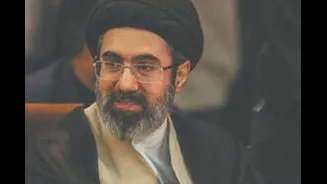
- Neutralising Leadership: Joint US-Israeli strikes on February 28, 2026, targeted the heart of the Iranian regime, resulting in the death of Supreme Leader Ali Khamenei.
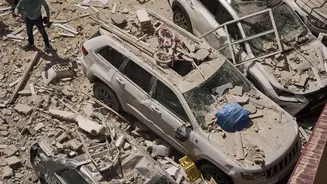
- Military Dominance: The US asserts that its “Operation Epic Fury” severely degraded Iran’s nuclear and ballistic missile infrastructure.
- Forced Concessions: Washington views Iran’s agreement to the ceasefire and the reopening of the Strait of Hormuz as a direct result of its “maximum pressure” and credible threats of “total annihilation”.
From Alexander, Genghis Khan To Trump: Why Iran’s 7,000-Year-Old Civilisation Outlives Every Invader
Why Iran claims victory
Iran has declared a “historic and crushing victory” over what it calls “cowardly and criminal” aggression.
According to reports, its claims are based on:
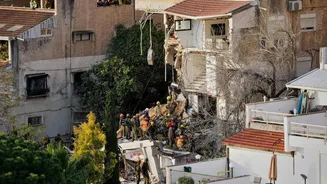
- Survival and Resilience: Despite intense strikes and the loss of its Supreme Leader, the Iranian state avoided total collapse and maintained its ability to retaliate across the region.
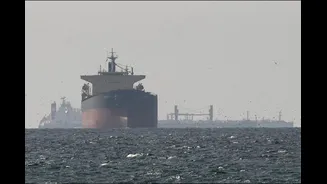
- Economic Disruption: Iran leveraged its control over the Strait of Hormuz to cause historic global oil disruptions and fuel shortages, which it claims forced the U.S. to the negotiating table.
- Diplomatic Leverage: Tehran argues it forced the U.S. to accept its 10-point proposal as a workable basis for negotiations, framing the ceasefire as a retreat by Washington.
What experts say
Experts suggest the claims from both sidesare significantly overhyped.
While the US demonstrated overwhelming military force, it did not achieve a quick regime change or a permanent end to Iran’s nuclear ambitions.
Both the nations have suffered. Iran faced immense internal damage and loss of life, while the US saw a decline in trust from regional allies and significant global economic instability.
Observers say the real test will be the upcoming peace talks in Islamabad.
#BreakingNews | Advisor to the UAE President has said that they have emerged victorious in a war they sought to avoid@sushantsareen and @ARanganathan72 share their insights@ShivaniGupta_5 | #UAE #UnitedStates #Iran pic.twitter.com/aWEPfaoR40
— News18 (@CNNnews18) April 8, 2026
KEY FAQs
Who actually won the US-Iran war?
There is no clear winner. The US claims it achieved its goals by damaging Iran’s military and nuclear capabilities. Iranclaims victory because it survived, resisted, and forced a ceasefire without surrendering. In reality, the outcome looks more like a stalemate than a decisive victory.
Why is the US claiming victory?
The US narrative focuses on successful airstrikes and military pressure, Iran agreeing to talks and a ceasefire deal, claims that key objectives were “fully achieved”. From Washington’s perspective, forcing Iran to negotiate is strategic success.
Why is Iran also claiming victory?
Iran’s claim is based on regime survival despite heavy attacks. Continued ability to retaliate and resist militarily. Forcing the US into a temporary ceasefire instead of total defeat. For Iran, simply not collapsing under pressure is seen as winning.
With agency inputs