




Karwa Chauth fasting is not just about waiting for the moon to rise. If you are observing a nirjala fast, going without food or water from sunrise until moonrise can make hydration and energy particularly
important. That makes your pre-dawn sargi more than a festive ritual.
Karwa Chauth 2026 will be observed on Thursday, October 29, with the puja muhurat is expected to fall between 5:38 PM and 6:56 PM, while moonrise is anticipated around 8:17 PM.
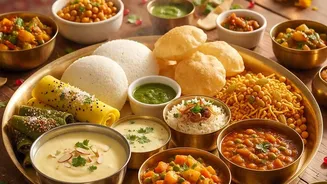
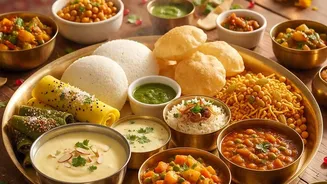
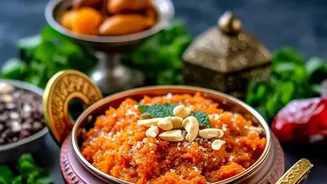
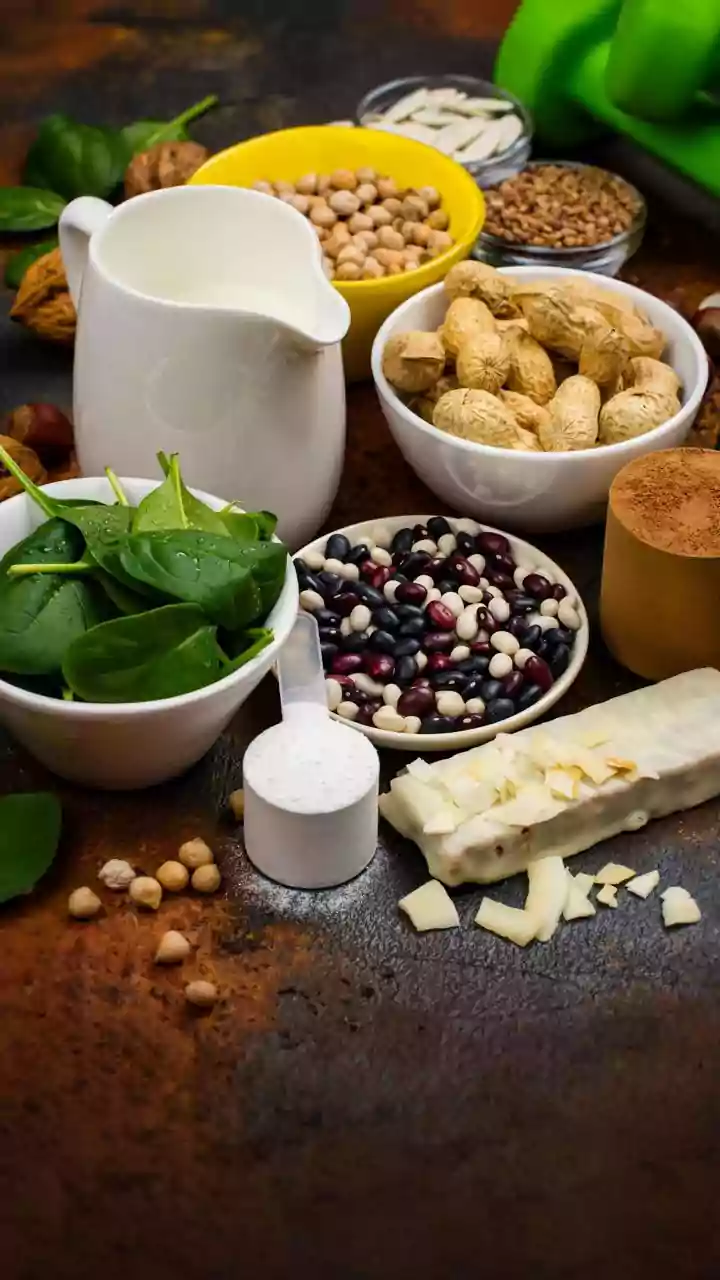
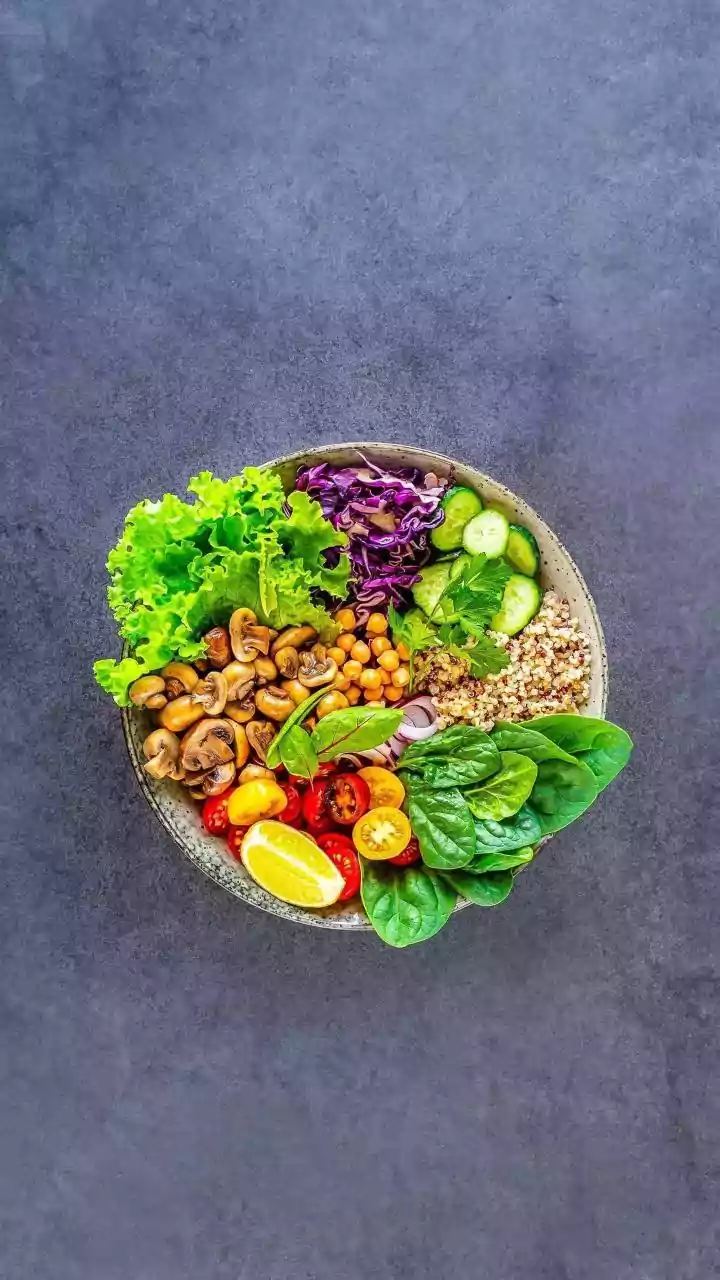
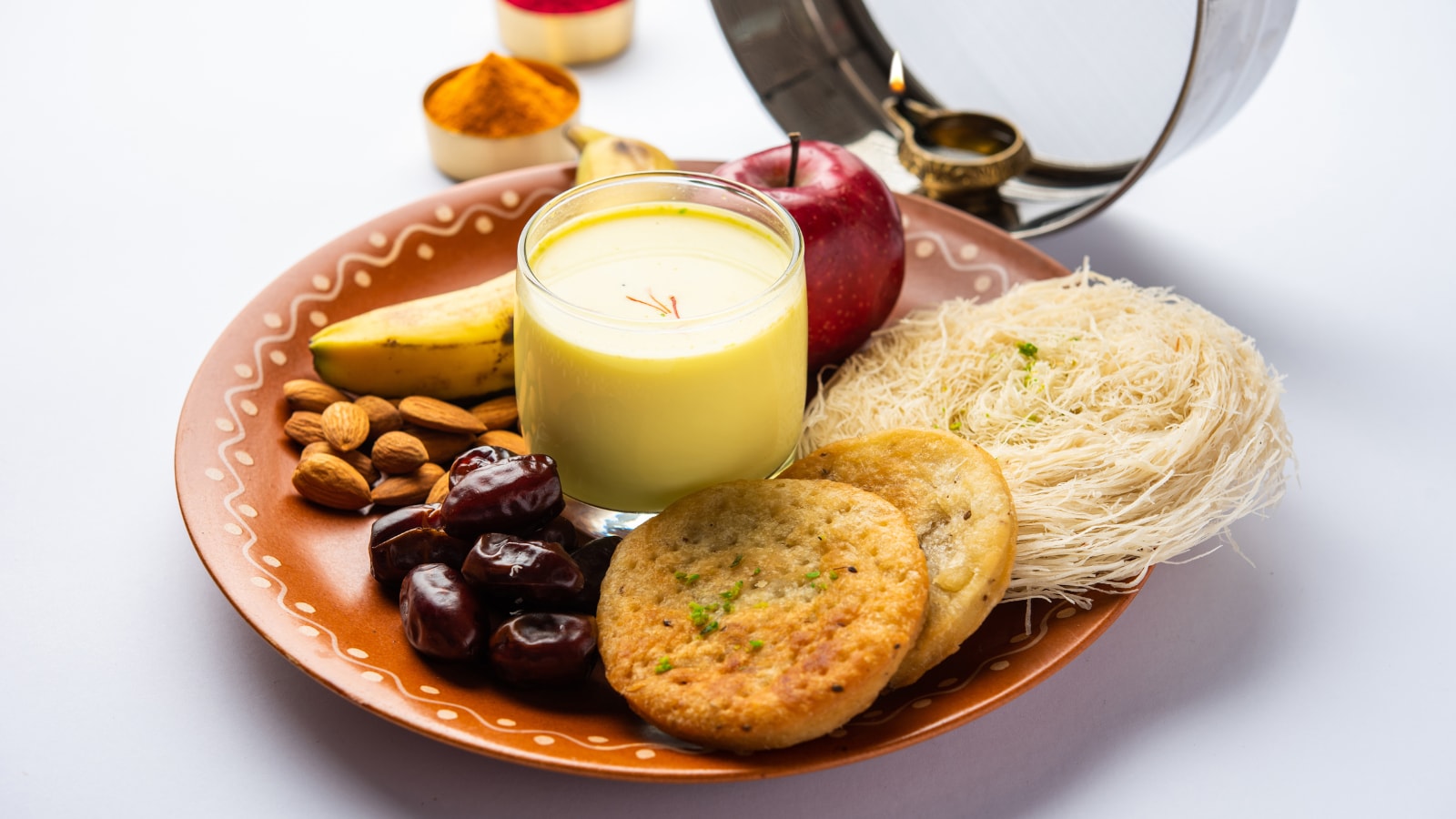
Sargi is a ritual, traditionally eaten before sunrise, this pre-dawn meal can help you prepare for a long day without food or water. A balanced meal with fluids, protein, fibre and healthy fats can help you start the day feeling nourished, although no food can guarantee that you will avoid thirst or fatigue. Here are 10 things to consider adding to your sargi thali.
Foods And Drinks To Add To Your Sargi
1. Coconut water: It provides fluid and electrolytes, including potassium, making it a refreshing addition before the fast begins.
2. Water-rich fruits: Watermelon, oranges and pears contribute to fluid intake, while also providing vitamins and fibre.
3. Bananas: They offer carbohydrates and potassium, making them an easy fruit to pair with other foods.
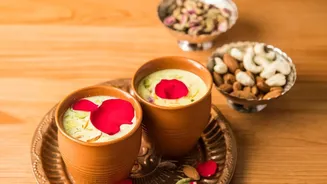
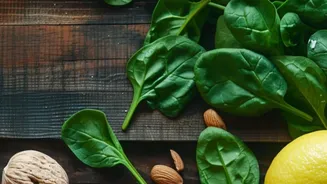
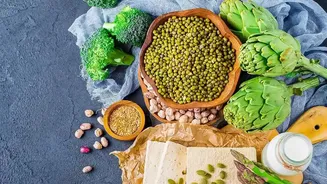
4. Soaked nuts: Almonds, walnuts and pistachios provide healthy fats, protein and fibre, helping make your meal more satisfying.
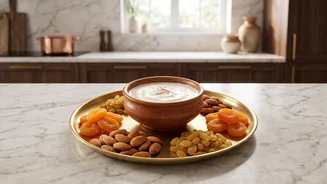
5. Dates and figs: These dried fruits provide carbohydrates and fibre. Keep portions moderate, as they contain concentrated natural sugars.
6. Milk: A glass of milk supplies fluid, protein and calcium. It can also be paired with oats or a small serving of seviyan.
7. Curd or buttermilk: Both contribute fluid, while curd also provides protein and calcium. Choose whichever suits your digestion.
8. Paneer: Add lightly cooked paneer to your meal for protein and fat, which can help make it more filling.
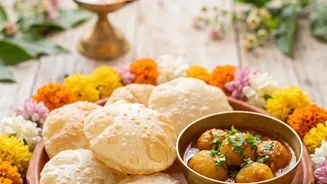
9. Whole-wheat roti or paratha: Whole grains provide carbohydrates and fibre. Pair them with paneer or curd for a more balanced meal.
10. Oats: Cook them with milk and add fruit and a few nuts for a convenient combination of carbohydrates, fibre, protein and healthy fats.
What Should You Avoid Before The Fast?
Do not rely only on sweets or fruit; include a mix of food groups and drink water regularly before the fast begins. Limit very salty foods, which can increase thirst, and avoid excessively oily or spicy dishes if they tend to trigger acidity or discomfort. Eating an unusually large meal will not guarantee that you stay energised for longer.

Remember that a nirjala fast carries a risk of dehydration, and a carefully planned sargi cannot eliminate it. People who are pregnant, have diabetes or kidney problems, take medicines affected by food or fluid intake, or have other relevant health concerns should speak to a healthcare professional before fasting.
If you experience severe dizziness, fainting, confusion or unusual weakness, seek medical help rather than pushing through symptoms.