






Nestled deep within Uttarakhand’s Garhwal Himalayas, the ancient Rudranath Temple is preparing to welcome pilgrims once again after remaining closed through the harsh winter season. Revered as one of the five
sacred Panch Kedar shrines dedicated to Lord Shiva, the high-altitude temple draws devotees and trekkers alike for its spiritual significance and breathtaking Himalayan setting.
Situated in Chamoli district at an elevation of nearly 3,600 metres, Rudranath becomes inaccessible during winter due to heavy snowfall. Every year, the shrine closes for several months, with worship temporarily shifted to the Gopinath Temple in Gopeshwar, considered the deity’s winter abode.
Rudranath Temple Reopening Date
The reopening rituals for the 2026 pilgrimage season are set to begin in mid-May. As per traditional customs, the idol of Lord Shiva will commence its ceremonial journey from Gopeshwar on May 16. The sacred doli procession is scheduled for May 17, while the temple doors will officially reopen for devotees at 1 pm on May 18 following elaborate prayers and rituals.
The reopening ceremony is attended by priests, local sevadars, and pilgrims who travel from different parts of the country to witness the spiritually significant occasion.
Why Is Rudranath Temple So Important?
Rudranath Temple holds immense religious importance in Hindu mythology and is regarded as the fourth temple in the Panch Kedar circuit, which also includes Kedarnath, Tungnath, Madhyamaheshwar, and Kalpeshwar.
According to legends associated with the Mahabharata, the Pandavas sought Lord Shiva after the Kurukshetra war to seek forgiveness for their sins. Shiva, however, avoided them by taking the form of a bull and disappearing into the mountains. It is believed that different parts of his body later appeared across various locations in the Garhwal region. At Rudranath, devotees worship the face (mukh) of Lord Shiva, which is said to have manifested here.
The Chamoli district administration also notes that Shiva is worshipped at Rudranath in his “Ekanan” form, meaning only his face is revered at the shrine.
A Spiritual Trek Through the Himalayas
Reaching Rudranath is considered both a pilgrimage and an adventure. The nearest airport is Jolly Grant Airport in Dehradun, while Rishikesh and Haridwar serve as the closest railway stations. From there, travellers typically drive to Gopeshwar, Sagar village, or Mandal village before beginning the trek.
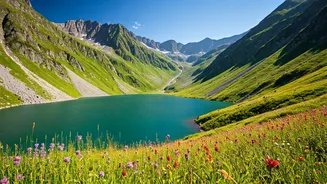
The final journey to the temple involves an 18–20 kilometre trek through dense forests, alpine meadows, mountain ridges, and scenic Himalayan trails. Though physically demanding, the route is known for its unmatched natural beauty and panoramic views of peaks such as Nanda Devi and Trishul.
Travel Tips for Pilgrims
Trek Difficulty: Moderate to difficult
Best Time to Visit: May to June and September to October
Avoid: Monsoon season due to landslide risks
Essentials: Warm clothing, sturdy trekking shoes, physical fitness, and early morning starts
For many devotees, Rudranath is more than just a temple visit. The challenging trek, spiritual atmosphere, and untouched Himalayan landscape together create an experience that feels deeply transformative, one rooted equally in faith, endurance, and nature.