






Traveller’s diarrhoea remains one of the most common health problems faced by people visiting other countries, especially destinations in South-East Asia, Sub-Saharan Africa, the Middle East, and Northern
Africa. For years, travellers were advised to follow simple rules such as “boil it, cook it, peel it, or forget it.” Yet today, even those who are careful about food and water can still fall ill. Poor hygiene during food preparation, unsafe water, and weak sanitation systems in many destinations now play a much bigger role than personal food choices alone.
Dr D. Chandra Sekhar Reddy, Senior Consultant Gastroenterologist, Hepatologist and Therapeutic Endoscopist, Yashoda Hospitals, Hyderabad, explains that in many cases, what people commonly refer to as “food poisoning” occurs after consuming food contaminated with germs or toxins. These infections can lead to loose stools, vomiting, or both. Most mild cases resolve on their own within a day or two with adequate rest and proper fluid intake.
What has changed in recent years is how traveller’s diarrhoea is treated. Earlier, travellers were often advised to carry antibiotics “just in case.” Today, doctors are far more cautious. Antibiotics are now recommended only in selected cases, such as severe illness, high fever, or the presence of blood in stools. This shift is driven by the fact that while the benefits of antibiotics are limited in most cases, the risks are increasing.
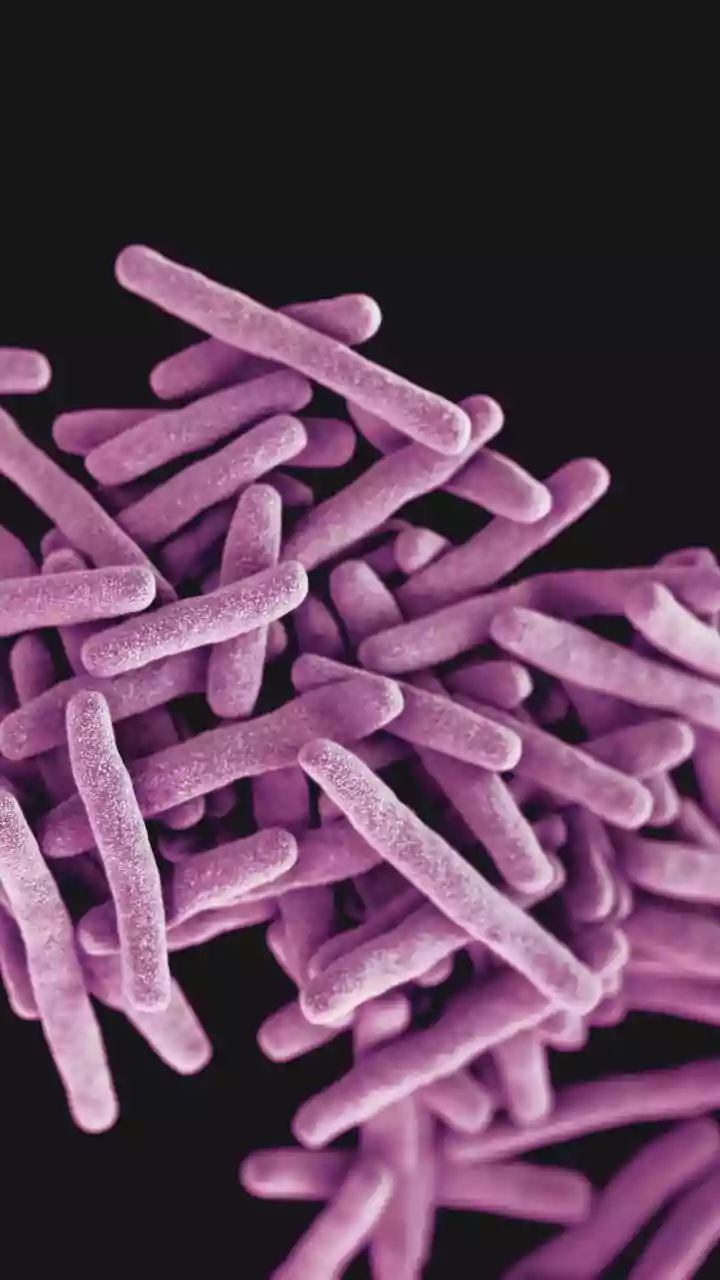
One of the biggest concerns is antibiotic resistance. Travellers who take antibiotics during their trip are more likely to carry drug-resistant bacteria when they return home. These bacteria can spread to family members and the wider community. Antibiotics can also disrupt the gut’s natural balance and, in some cases, trigger serious infections such as Clostridioides difficile (C. difficile), which is closely linked to antibiotic use.
Environmental factors also significantly increase the risk of traveller’s diarrhoea. In regions with limited access to clean public toilets, safe drinking water, or proper refrigeration, food and water contamination is more common. Power cuts, unsafe food storage, and poor handwashing practices further raise the risk. Even in developed countries, outbreaks linked to restaurants continue to occur.
The most important treatment remains hydration. Drinking sufficient fluids and using oral rehydration solutions can prevent serious complications. Preventive measures such as good hand hygiene, choosing freshly prepared and thoroughly cooked food, and consuming safe drinking water are helpful but they are not foolproof.
Traveller’s diarrhoea is not necessarily harder to treat, but it does require more responsible and informed care. Antibiotics are no longer the first-line solution. Understanding when to rest, hydrate, and seek medical attention can make travel safer and healthier.