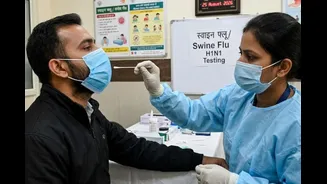








That fever, cough and body ache may not stop at your lungs. During India’s H1N1 surge, influenza can also place unexpected stress on the heart.
Health authorities across India have recorded thousands of
influenza infections, with Delhi reporting over 2,400 H1N1 cases and more than 3,100 total Influenza-A cases, Karnataka logging 4,212 confirmed infections, and Kerala noting 7,421 cases along with 88 deaths. These numbers highlight how widely the virus is circulating and why cardiac risks linked to flu deserve fresh attention.
“Influenza is not merely a respiratory tract infection. Fever, dehydration, a high heart rate and increased oxygen demand can place significant strain on the heart, particularly in elderly people and those with pre-existing heart problems,” Dr Rohit Goel, Associate Director, Department of Cardiology, Max Hospital, Gurugram, tells us.

Can H1N1 Trigger A Heart Attack?
The body’s inflammatory response to infection can affect the cardiovascular system and may contribute to conditions that increase the risk of cardiac complications. Inflammation during influenza may promote clot formation within blood vessels. Meanwhile, fever and dehydration can increase cardiovascular strain. In a study involving laboratory-confirmed influenza, heart attack admissions were six times higher during the first week after infection compared with the control period.
According to Dr Goel, the virus creates multiple pathways of strain. “Influenza can lead to fever, dehydration, high heart rate and increased oxygen demand which can put additional strain on the heart. Associated inflammation can lead to clot formation in the blood vessels. This leads to increased risk of heart attack, worsening of heart failure and abnormal heart rhythms.”
He notes that the virus can also attack the heart muscle directly. “Influenza can also directly affect the heart muscle leading to myocarditis, an inflammation of the heart muscle, which can cause poor heart function and life-threatening cardiac arrhythmias.” People living with coronary artery disease, heart failure, diabetes or hypertension face higher vulnerability. Even otherwise healthy individuals, those at the extremes of age, and people with other chronic illnesses can develop significant cardiac complications after a bout of flu.
Why Does the Flu Put Pressure on the Heart?
When the body fights an influenza infection, the heart often has to work harder. A high temperature can increase the heart rate, while dehydration may affect circulation. At the same time, the body’s oxygen requirements can rise.
Influenza can also directly affect the heart muscle, causing myocarditis, or inflammation of the heart muscle. This can impair heart function and, in severe cases, lead to dangerous arrhythmias. CDC data notes that serious acute cardiac complications occurred in about one in eight adults hospitalised with flu in a study of more than 80,000 patients.
“Myocarditis is one complication we take seriously because influenza can directly involve the heart muscle. A patient may develop poor heart function or life-threatening cardiac arrhythmias, which is why persistent or worsening symptoms should never simply be dismissed as a bad flu,” Dr Goel explains.
Who Faces the Greatest Cardiac Risk from Influenza?
Anyone recovering from or currently battling influenza should remain alert to heart-related warning signs. People with coronary artery disease, heart failure, diabetes and hypertension are among those who may be particularly vulnerable. Older adults, very young children and people with chronic illnesses can also develop significant complications following influenza.
Heart disease is common among people hospitalised with flu. According to the CDC, about half of adults hospitalised with influenza during recent flu seasons had heart disease. The increased risk is also particularly important for people who have previously experienced a heart attack or stroke.
“Even healthy individuals can develop significant cardiac complications following influenza, but people with existing coronary artery disease or heart failure have less room for the additional stress caused by infection,” says Dr Goel. “For these patients, preventing severe flu can become an important part of preventing serious cardiac events.”
Why Does the Annual Flu Shot Matter so Much?
Dr Goel stresses prevention as the most practical step. “A simple influenza vaccine is one of the easiest ways to reduce all this risk. Annual administration of the vaccine reduces the chance of contracting the infection and, most importantly, reduces the severity of illness and complications if any infection occurs.”

For those with existing heart conditions, the benefit is especially clear. “For people with underlying heart problems, preventing a severe flu infection can prevent a cascade of events which can lead to heart attacks and heart failure.”
Is it Safe To Get Flu Vaccine?
A common concern is that the flu shot can give someone influenza. Dr Goel says this is not how the vaccine works.
Most people tolerate the shot well. “Administration of the flu vaccine is usually safe and does not give you any disease. Minor side effects such as mild soreness at the injection site or low-grade fever can happen temporarily,” Dr Goel says. These short-lived reactions are far milder than the potential cardiovascular fallout from a full-blown influenza infection.
“The flu vaccine is generally safe and does not give you influenza. Some people may experience temporary soreness at the injection site or a mild, low-grade fever, but these are usually short-lived. The potential protection, particularly for high-risk groups, is an important part of preventive heart care,” he says.
With H1N1 cases rising in Delhi and influenza activity being reported across India, the message is clear. Influenza is not just a bad cold. It can affect the heart, and for older adults and people with existing cardiovascular disease, taking flu prevention seriously may also mean taking heart protection seriously.