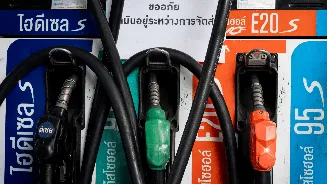





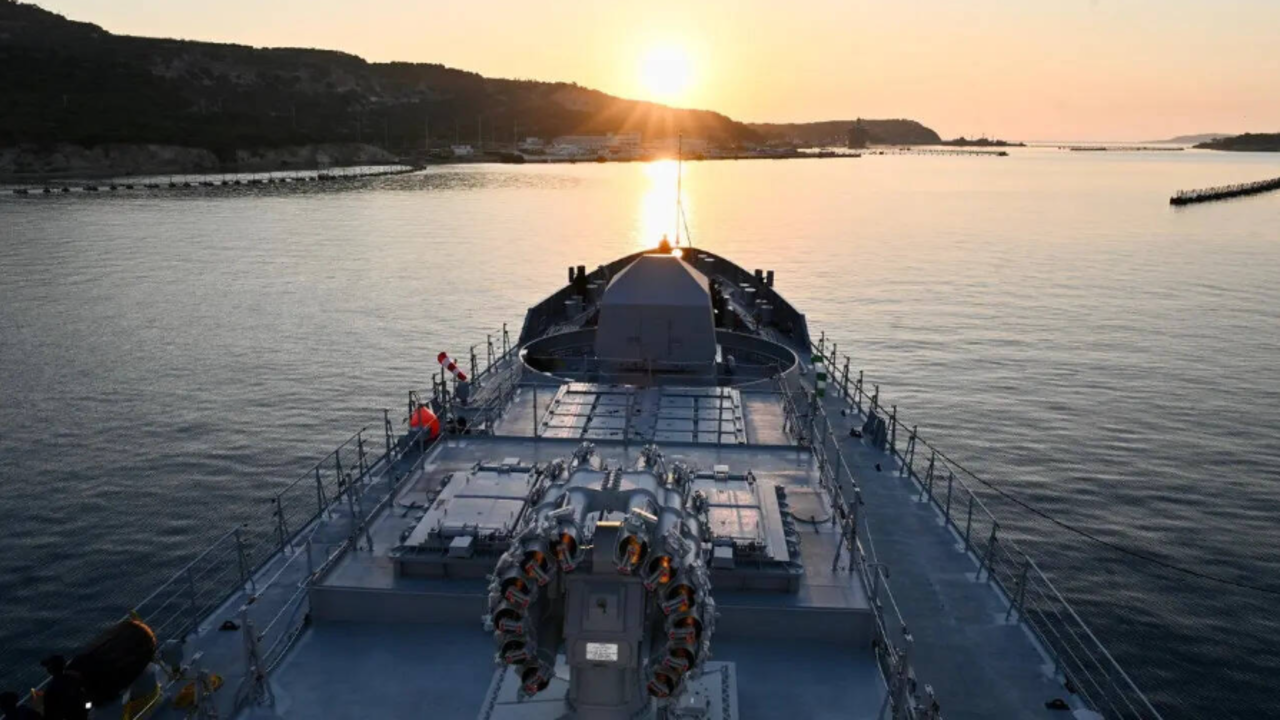
India has extended emergency support to Sri Lanka during the global fuel crisis, delivering 38,000 metric tonnes of petroleum. The shipment includes 20,000 metric tonnes of diesel and 18,000 metric tonnes of petrol,
the Indian High Commission in Colombo said on March 28, 2026.
The fuel reached Colombo Harbour on March 29 via Lanka IOC. This assistance follows similar support extended by India to Bangladesh during the ongoing crisis.
The High Commission said External Affairs Minister S Jaishankar and Sri Lankan Foreign Minister Vijitha Herath spoke over the phone on March 23, 2026.
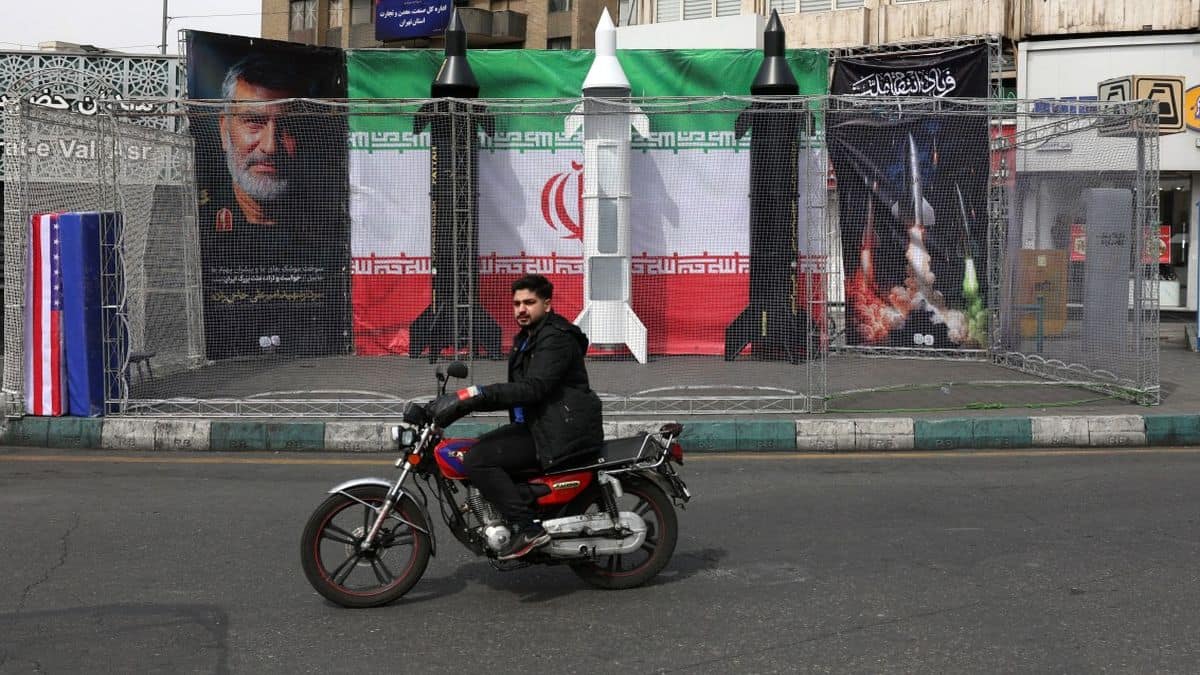
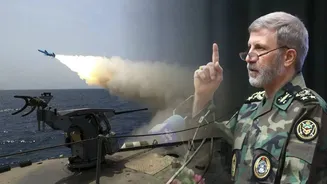
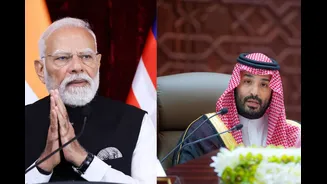
The aid also followed discussions between Prime Minister Narendra Modi and Sri Lankan President Anura Kumara Dissanayake, as the island nation faced shortages linked to disruptions caused by the Iran war.
Sri Lanka thanks India
Sri Lanka expressed gratitude for the support. Sajith Premadasa, Leader of the Opposition and head of the Samagi Jana Balawegaya, thanked India for stepping in during the crisis.
“We thank India for the emergency fuel support, a reminder that relationships are tested in crisis, not comfort. Let us not forget those who stood by us when it mattered,” he said.
We thank India for the emergency fuel support, a reminder that relationships are tested in crisis, not comfort. Let us not forget those who stood by us when it mattered. https://t.co/zXWIPwbw0G
— Sajith Premadasa (@sajithpremadasa) March 28, 2026
Hormuz closure and global oil disruptions
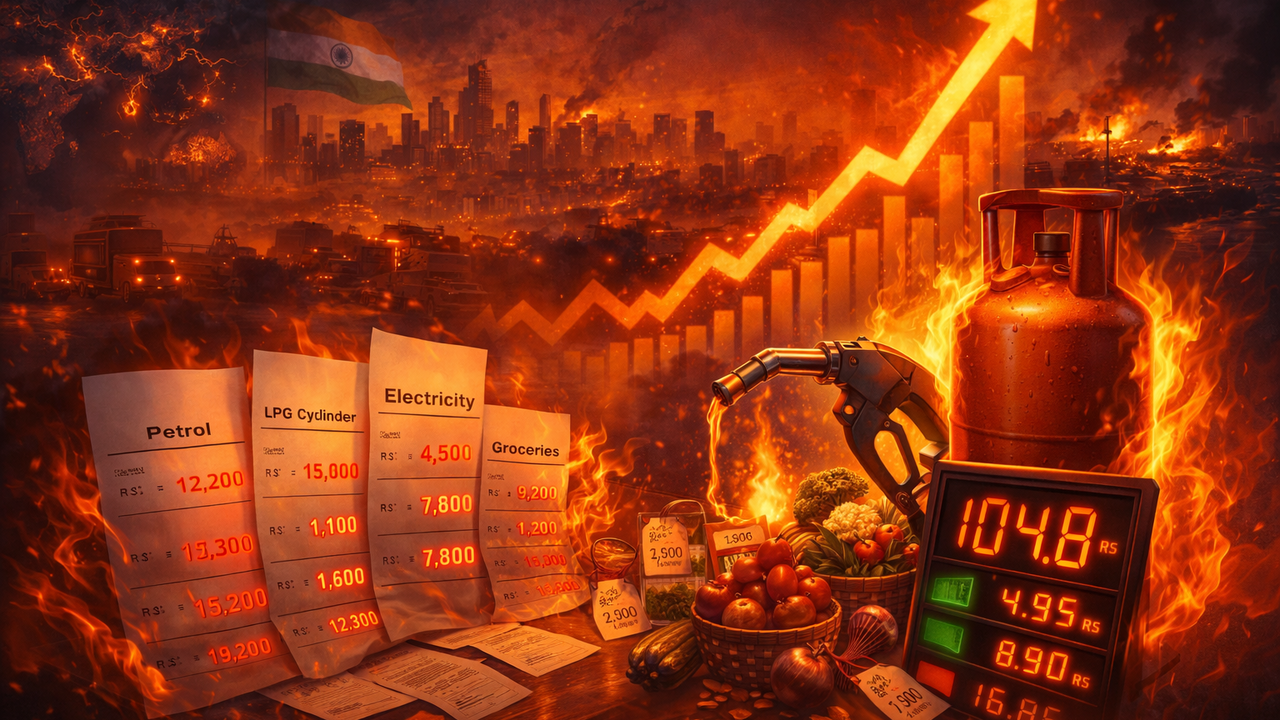
The crisis has been triggered by the closure of the Strait of Hormuz during the Iran war, which has sharply reduced global oil supplies. The disruption has cut flows by 8–10 million barrels per day from pre-war levels of 20 million barrels per day.
Brent crude prices have risen above $120 per barrel, with warnings they could reach $150 if the situation continues. Asia has been hit the hardest, with 70 per cent of its imports affected.
The supply shock has led to production cuts by OPEC+ nations including Saudi Arabia, the UAE and Iraq. Storage facilities are filling up as tankers remain idle.
At the same time, Qatar has halted LNG exports, pushing prices in Northeast Asia to $22.5 per MMBtu. The International Energy Agency has reduced its 2026 demand growth forecast to 640,000 barrels per day amid aviation disruptions and rising inflation.
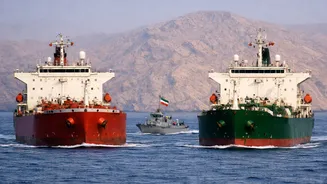
Meanwhile, Iran has allowed passage for tankers from countries such as India, China, Pakistan, Iraq, Bangladesh and Russia.