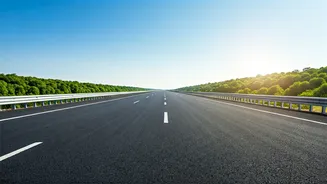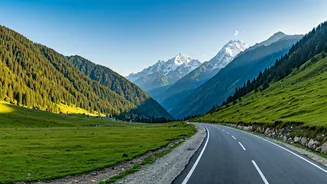

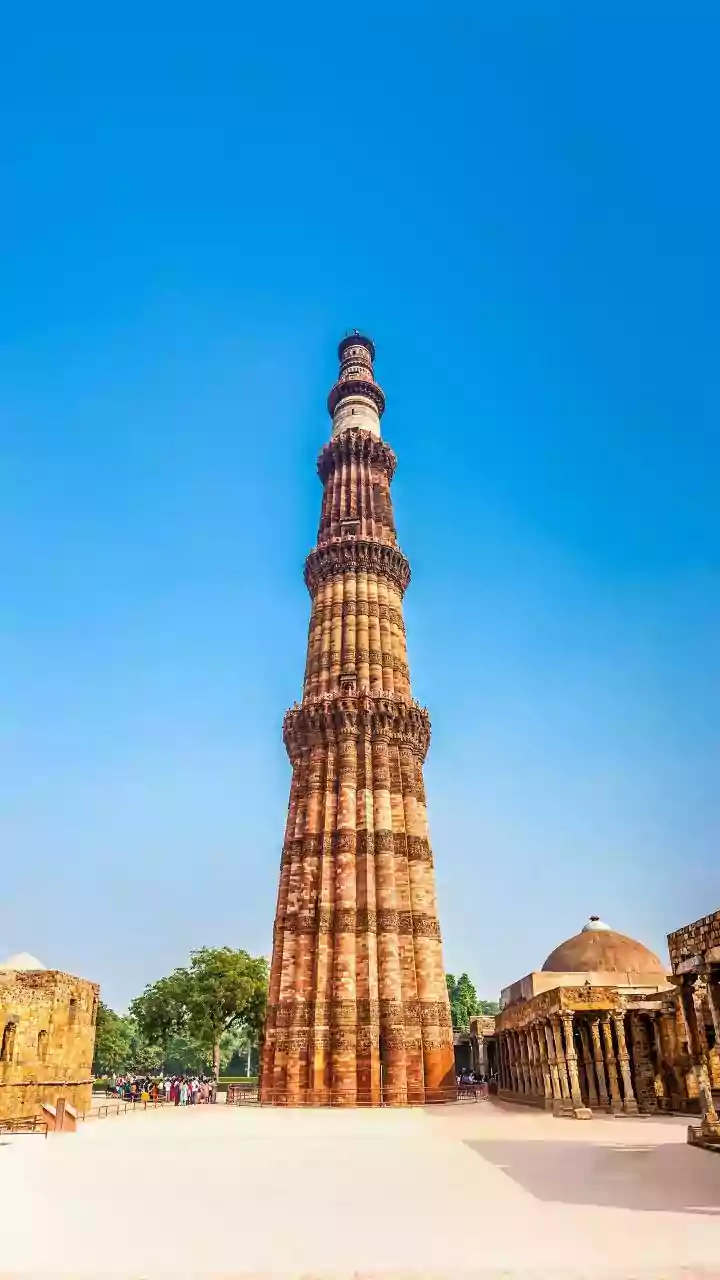





India’s domestic tourism story is no longer defined only by airlines and railways. Increasingly, it is being written on highways, expressways, and state roads, as road mobility emerges as a central force
shaping how Indians travel, spend, and explore.
With rising disposable incomes, improved highway infrastructure, and growing travel demand from Tier 2 and Tier 3 cities, road-based travel is transforming from a necessity into a preference. Short getaways, flexible itineraries, and experience-led journeys are driving this shift and the impact is being felt across the tourism value chain.
“Road mobility is gradually emerging as a key driver of India’s domestic tourism growth, particularly with rising travel demand from Tier 2 and Tier 3 cities,” says Bikash Madan, CEO, WTiCabs. “With the shift towards short getaways, flexible itineraries, and experience-led travel, road-based travel is becoming the preferred choice for many Indian travellers.”
The Journey as the Experience
Unlike air or rail travel, road mobility turns transit time into part of the experience. The ability to pause at scenic stretches, explore spontaneous detours, and travel at one’s own rhythm has reshaped the meaning of leisure travel.
“Road mobility transforms the journey into an experience in itself,” explains Madan. “It allows travellers to soak in the landscape, make spontaneous stops, and embrace a ‘stop-and-go’ rhythm that makes travel as memorable as the destination.”
This flexibility is particularly valuable for emerging tourism circuits, heritage routes, religious destinations, hill stations, wellness retreats, and lesser-known rural clusters where seamless last-mile connectivity is often the deciding factor in visitor inflow.
Government investments in expressways, intercity road connectivity, and tourism corridors have further accelerated this trend. As infrastructure strengthens, travellers are increasingly opting for customised road trips that allow multiple stops and access to offbeat destinations that may not be easily reachable by other modes of transport.
The Rise of Short, Spontaneous Travel
The growth of road mobility is also changing travel patterns especially among younger consumers.
“Road travel is fast becoming the backbone of India’s domestic tourism scene, from quick weekend escapes to longer intercity journeys,” says Pranav Dangi, Founder, The Hosteller. “With better highways and smoother last-mile connections, people are choosing road trips for their flexibility in cost and comfort.”
Unlike fixed schedules associated with flights or trains, road travel enables travellers to string together multiple destinations in a single trip. This has unlocked demand for smaller towns, offbeat hill stations, religious circuits, and hidden cultural pockets that were previously overlooked.
For the hospitality industry particularly budget accommodations and hostels, this shift has been transformative.
“Spontaneous 2–4-day trips fit naturally into hostel living,” notes Dangi. “Road travel encourages more group travel among Gen Z and millennials, who prioritise experiences over luxury and seek community-oriented stays.”
Flexible check-ins, secure parking, easy digital booking, and curated hyperlocal experiences are increasingly becoming essential offerings for properties catering to road travellers.
Organised Mobility and the Multiplier Effect
While the romance of road trips captures imagination, the structural implications for tourism are equally significant. Organised road mobility including reliable intercity cab services and professional fleet operators enhances safety, reliability, and convenience.
“Organised road mobility improves the overall travel experience, particularly for families, senior citizens, and business travellers,” says Madan. “It also has a multiplier effect, stimulating hospitality and employment generation in smaller towns.”
Indeed, the rise in road-based tourism strengthens the broader ecosystem: local eateries, fuel stations, small tour operators, artisans, and hyperlocal experience providers all benefit from increased traveller footfall.
From an industry standpoint, Dangi agrees that the impact extends far beyond transport. “The surge in road mobility supports the entire tourism value chain. With the government pushing highway expansions and tourism corridors, the road ecosystem is steadily becoming an engine for regional growth and job creation.”
A Structural Shift in How India Travels
The growth of road mobility reflects a deeper behavioural change among Indian travellers. Travel is increasingly seen as flexible, modular, and personalised rather than pre-packaged and rigid.
“As domestic tourism continues to expand, road mobility will remain crucial in fuelling the travel aspirations of Indian consumers,” emphasises Madan.
Looking ahead, the biggest winners in India’s tourism economy may be those who align their services with road travellers’ needs convenience, flexibility, safety, and immersive local experiences.
“It’s not just a way to move around,” concludes Dangi. “Road mobility is shaping how India travels, spends, and discovers its own destinations.”
In many ways, the highway has become more than infrastructure. It is a corridor of economic opportunity linking metros with emerging cities, travellers with hidden destinations, and aspiration with access. As India’s domestic tourism story accelerates, the road ahead appears not just promising, but foundational.