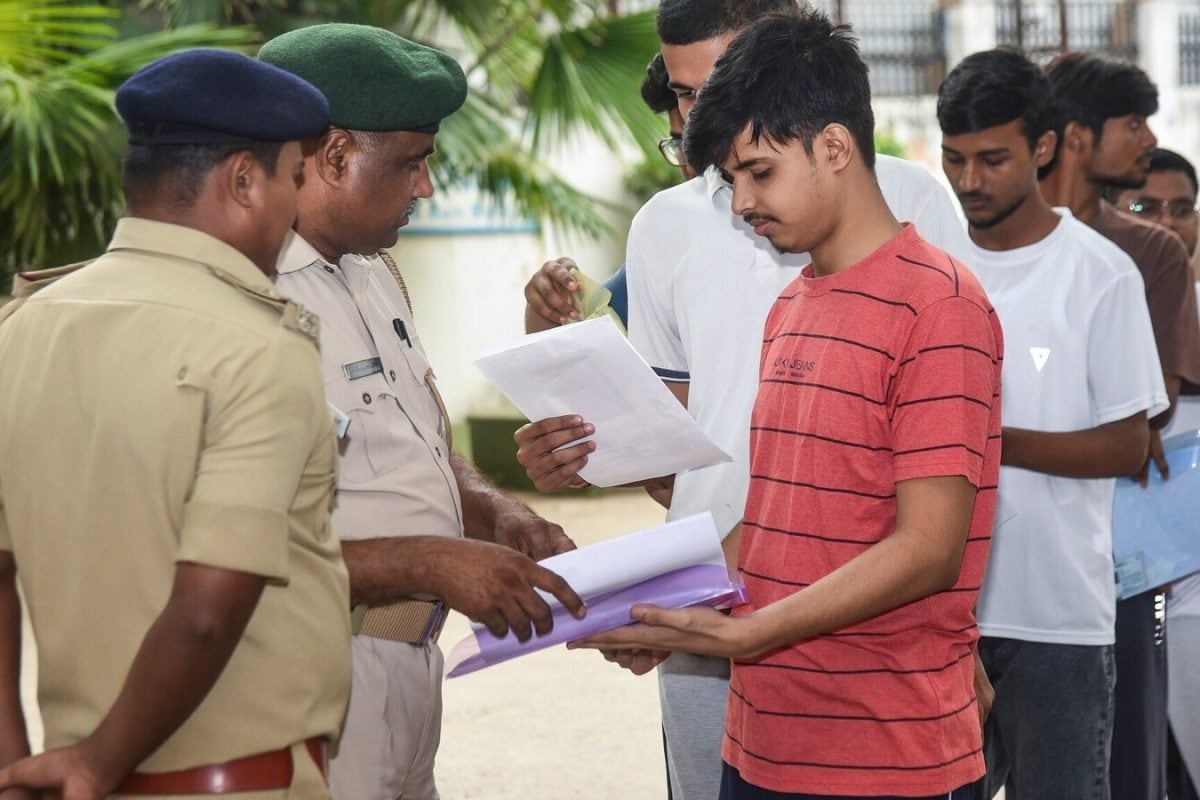







NEET UG has once again come under scrutiny following paper leak allegations and the subsequent cancellation of examination conducted on May 3. The controversy first erupted during NEET-UG 2024, when investigations
uncovered alleged organised leak networks operating across multiple states. Authorities claimed that some candidates received access to question papers before the exam through middlemen in exchange for money.
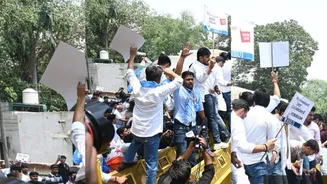
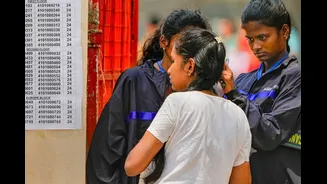
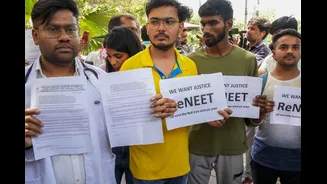
Following the cancellation of the exam, students began nationwide protests, with the case reaching Supreme Court. There has also been sharp criticism of the National Testing Agency (NTA).
However, even before the paper leak controversies, several states had been opposing NEET for years. Their objections centred on concerns over inequality, coaching culture, language barriers, and the impact on state board students. Here’s a look at which states opposed NEET and why:
Tamil Nadu: Tamil Nadu has been the strongest and most consistent opponent of NEET since the exam was introduced. Successive governments in the state have argued that NEET favours CBSE students, urban candidates, and those who can afford expensive private coaching. The state has repeatedly claimed that students from the Tamil Nadu state board struggle because NEET is largely based on the NCERT syllabus.
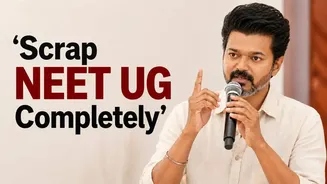
Tamil Nadu leaders also argued that before NEET, many government school students could enter medical colleges through Class 12 marks-based admissions. According to the state, NEET shifted the advantage towards students from wealthy families who can attend coaching centres. The Tamil Nadu Assembly passed multiple resolutions seeking exemption from NEET, but these were not approved by the Centre. Apart from the earlier DMK government, current Chief Minister Vijay too wants to push the Centre to “abolish” the exam.
ALSO READ: Opinion | NEET Cancelled: A Global Power That Cannot Hold A Fair Exam
West Bengal: The earlier state government often criticised NEET as an example of excessive centralisation in education. The then TMC-led govt argued that education should remain more flexible for states and expressed concerns that a single national examination cannot fairly represent students from different educational systems and backgrounds. They also highlighted worries about language and syllabus differences.
Maharashtra: The state govt had argued that medical admissions have become increasingly dependent on expensive coaching institutes rather than school education. There were also concerns that students from rural districts and Marathi-medium schools are at a disadvantage compared to students from elite urban schools. Furthermore, state leaders highlighted about the recurring paper leaks cases associated with the exam that compromises the exam’s integrity.
Kerala: The state initially raised concerns that state board students were being affected because of differences between the state syllabus and the NCERT syllabus used extensively in NEET. Previous Kerala CM Pinarayi Vijayan had demanded the dissolution of NTA and had urged the Centre to return the responsibility of conducting the medical entrance examinations to respective state governments as was done before.
Although they differ in political views and education models, most states opposing NEET have voiced similar objections. They argue that NEET has fostered a system in which coaching centres hold significant influence over medical admissions. Several states contend that students from regional education boards are at a disadvantage compared to CBSE students because of variations in the syllabus.
Some states further maintain that students from rural areas and economically weaker sections are unable to compete on an equal footing due to limited resources. The high level of competition and pressure associated with NEET has repeatedly fuelled discussions about student stress and suicides. A few states also object to NEET because it replaced their own admission processes and diminished their authority over medical education policies.
On the other hand, NEET’s supporters claim that a single national exam ensures uniform standards for medical admissions throughout India. They point out that, before NEET, private institutions and individual states held separate entrance tests, many of which were accused of corruption, capitation fees, and unfair selection practices. According to its proponents, NEET has curtailed such irregularities and made the admission process more transparent.