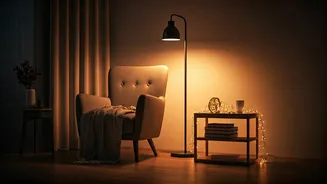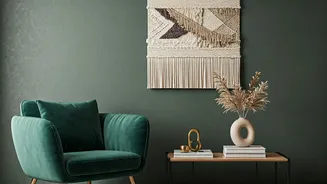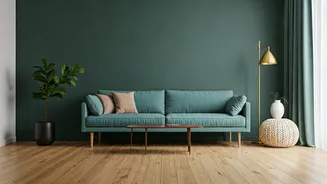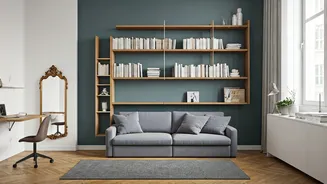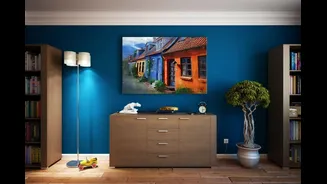

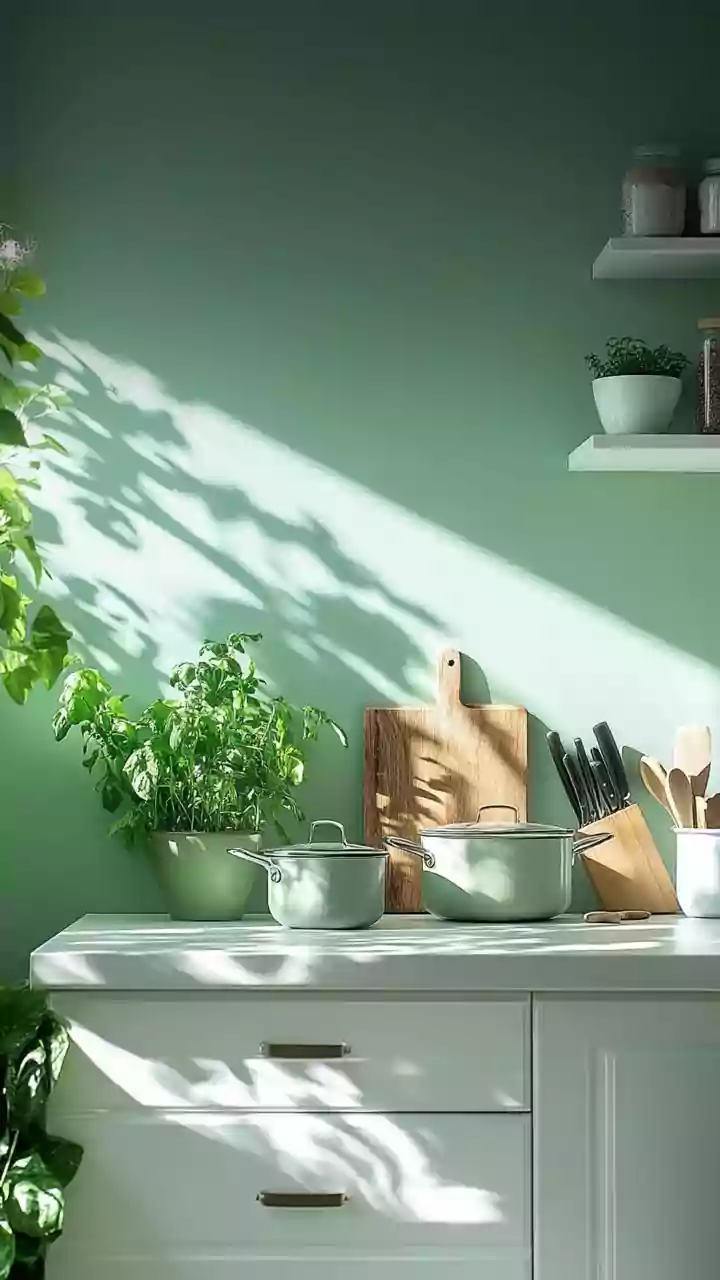

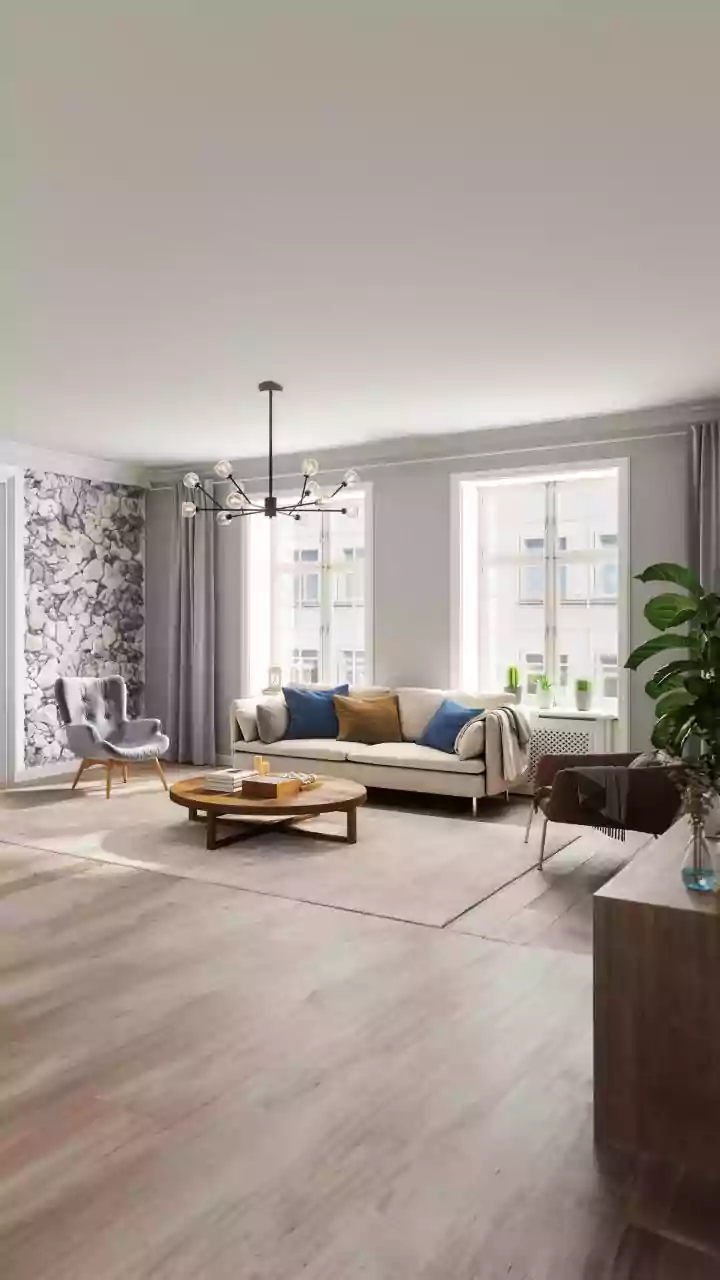


Minimalism has been the trend of the decade, with everyone gravitating towards simple, clean lines with a muted palette, which is considered synonymous with luxury. With the new, people are itching to rework
their spaces to bring in new energy and good vibes.
We speak to Kirti Madan, Creative Design Director, Mahima Group, on what midmalism is, a design philosophy that sits between minimalism and maximalism, giving the best of both worlds.
Midmalism is about adding meaning. While minimalism brings calm, Midmalism carries warmth which fosters connection. Homes today are expected to do more than simply look good; they must support well-being, reflect personal narratives, and adapt to evolving lifestyles.
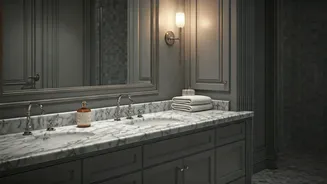
Classic minimalism relies on strong white, strong geometry, and visual constraint. While unquestionably sophisticated, it lacks a personal human touch. Midmalism softens this stiffness. In 2026, The design intent is still disciplined with cleaner layouts with solid materials-wood with apparent grain, stone with natural imperfections, hand-finished plaster, and fabrics appealing to the sense of touch. This makes the design much warmer and more human.
Warm Neutrals and Grounded Palettes
Colour is one of the defining forces in midmalism. Cold clinical minimalism is giving way for warmer natural neutrals such as sand, clay, linen, and muted terracotta. These tones ground a space and make it feel lived-in rather than staged.
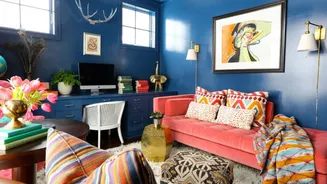
The key is balance. Midmalism avoids loud contrasts or excessive colour blocking. Instead, it uses tonal layering, where variations of a single hue create depth without visual noise. Subtle shifts in shade across walls, furnishings, and textiles allow a room to feel cohesive yet rich.
This approach lends itself particularly well to Indian homes, where natural light can dramatically shift the mood of a space across the day.
Curated, Not Sparse
Midimalism rejects not only emptiness but also excess. Furniture and décor are cautiously curated, with each piece earning their place. The emphasis is on quality, technique, and durability rather than trend-driven addition.
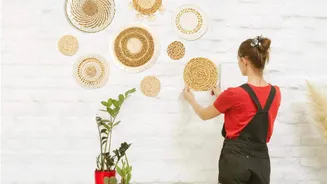
In practice, this transforms to fewer but more deliberate choices such as sofas with softer outlines, dining tables that focus on material integrity, and lighting that is sculptural yet refined. Decorative elements are purposeful such as a single art piece with presence, a handcrafted ceramic, or a textured carpet anchoring the area.
Functionality as Design
Another defining aspect of midmalism is its incline towards function. Homes are progressively multi-purpose, and design must compliment this growth intelligently. Storage is included seamlessly, layouts are flexible, and furniture often serves double roles while keeping the design human. A bench may double as storage, a partition may subtly describe zones while allowing well-lit spaces, blending workspaces into living areas.
This functionality supports mental clarity. When spaces are natural to use and free from visual disorder, they naturally encourage a sense of ease something homeowners progressively prioritise.
Midimalism is not a momentary trend but a growth in design sensibility. It reflects a larger cultural desire for equilibrium between aesthetics and comfort, simplicity and expression. In 2026, the best homes will not be the most intense or the most austere, but those that feel gently complete.