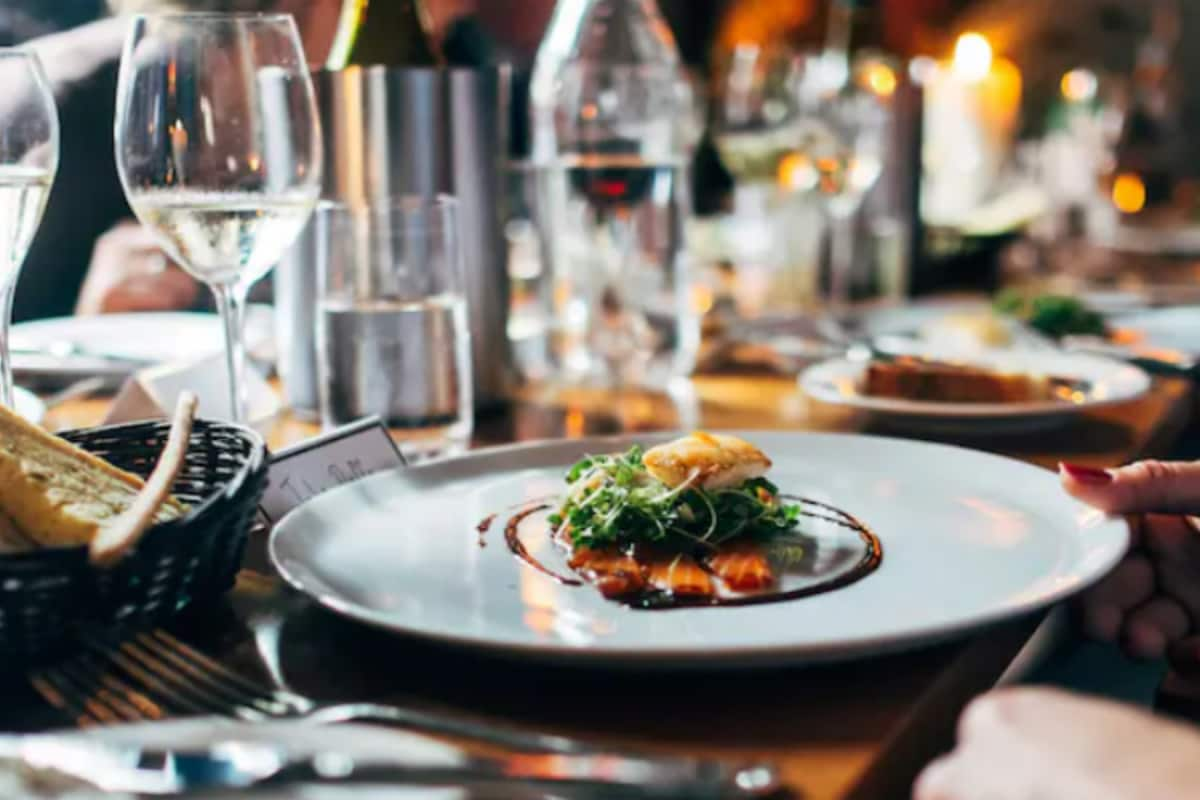







As dining evolves beyond indulgence, 2026 is shaping up to be a year where food becomes as much about meaning as it is about flavour. Discerning diners are no longer satisfied with plates that merely impress
visually; they are seeking experiences rooted in intention, emotion, and discovery. Across fine dining, fine-casual spaces, and cafés, a shared shift is emerging, towards clarity of purpose, thoughtful craftsmanship, and culinary storytelling that feels authentic rather than performative.
For Rohit Ghai, Michelin-starred chef, The Ritz-Carlton, Bangalore, this evolution reflects a broader redefinition of what luxury dining now means. “In 2026, food connoisseurs will seek experiences that go beyond flavour. They will look for intention, emotion, and a sense of discovery in every course,” he says. “The culinary landscape is responding with menus that are more narrative-led, produce-driven, and globally informed, yet grounded in authenticity.”
At Zarqash, the chef is introducing a Signature six-course tasting menu designed to reflect this philosophy. Offering both vegetarian and non-vegetarian journeys, the menu unfolds as a progression of technique, balance, and storytelling capturing the spirit of modern gastronomy without losing sight of its roots.
While fine dining refines its sense of purpose, the energy in the casual and fine-casual segment is becoming equally compelling. According to Vichita Kumar, Chef Partner at Bar Sama, Bengaluru, the next wave of successful dining concepts will be those that prioritise the guest over the chef.
“Casual and fine-casual concepts are becoming the new sweet spot, places that feel fun, relaxed, and genuinely guest-first,” Kumar explains. “It’s less about chef ego and more about giving guests an opportunity to feel seen, connected to the brand, and leave feeling good about both the meal and the experience.”
This shift is also driving a move away from sprawling, all-in-one menus. Kumar notes that subculture-led, niche concepts are increasingly taking centre stage. “Multi-cuisine formats are out; clarity and specialisation are in. The winners will be brands that pick a lane, go deep, and truly own their story,” he adds.
A similar recalibration is underway in the café and dessert space, where restraint and craft are overtaking spectacle. At Roast CCx, Hyderabad, diners are already signalling a preference for substance over show. Joakim Prat, Corporate Pastry Chef, observes, “We’re seeing diners gravitate towards depth over drama, cleaner flavours, honest ingredients, and food that’s thoughtfully made. In 2026, this shift will only strengthen.”
Prat points to a growing appetite for artisan baking, naturally fermented breads, and balanced dessert options that move away from excessive sugar and theatrics. Sustainability, he adds, is no longer a differentiator but an expectation embedded across sourcing, portioning, and kitchen practices. “The cafés and kitchens that will stand out are those investing in craft, consistency, and a clear culinary identity, rather than chasing fleeting trends,” he says.
Taken together, these perspectives point to a clear direction for dining in 2026. Whether in a luxury hotel, a fine-casual restaurant, or a neighbourhood café, success will hinge on purpose-driven menus, focused concepts, and experiences that feel personal and intentional. As diners become more discerning, the future of food will belong to those who cook not to impress momentarily, but to connect, one thoughtful course at a time.