





For decades, the neon-lit streets of Bangkok’s Nana district have been a sanctuary for Middle Eastern travellers. But today, the bustling hotel lobbies and fragrant Arabic restaurants stand eerily quiet.
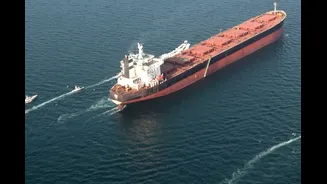
The escalating conflict between Iran and the US-Israel alliance, which intensified in late February 2026, has sent a shockwave through Thailand’s vital tourism sector—an industry that contributes 12% to the nation’s GDP.
According to data reported by The Straits Times, the impact has been swift and severe. What began as a regional skirmish has transformed into a geopolitical crisis that is “hollowing out” one of the world’s most resilient travel destinations.
The Grace Hotel, a 60-year staple in Bangkok’s Middle Eastern hub, is currently facing a 30% to 40% spike in booking cancellations. With over 700 rooms typically occupied by guests from the UAE, Saudi Arabia, and Qatar, the hotel now struggles with a nearly empty lobby. “Normally, many guests would be queueing up at the front desk to check in. It would be crowded with families, with the elderly. But this is abnormal for us,” says Mr. Sararutl Laocharoen, the hotel group’s sales and marketing director, in an interview with The Straits Times.
Travellers everywhere are reconsidering their decision to head to Thailand, for which Indians make up for a large chunk of inbound tourists. “I was supposed to fly out of Bangkok for a quick vacation before the war happened. Between the flight cancellations and the uncertainty of getting back home, we had to pull the plug. I’m now looking at October as a better window since summer will be insufferable in southeast Asia,” says Utkarsh, a Mumbai-based lawyer.
While the pandemic was a global shutdown, the current crisis is hitting a sector that has already exhausted its financial safety nets. The Thai Boat Association reports that the situation feels “worse than COVID” because the savings built up over years have been depleted. On the Chao Phraya River, trips that once ferried 150 tourists are now averaging just 30 to 40. As per other reports, middle eastern visitor numbers dropped from 32,831 last year to just 16,080 in February 2026. Neighbouring Malaysia saw a 40.3% drop in arrivals from the region in March, while Indonesia estimates a loss of 60,000 foreign tourists.
The “Dry” Reality: Petrol Shortages And Social Media Panic
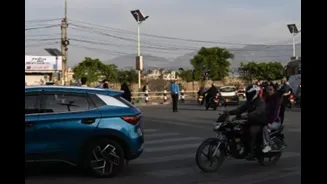
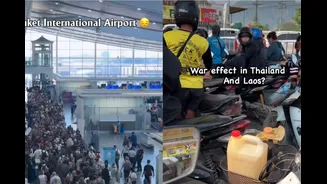
Beyond the hotels, the crisis has hit the streets. Viral social media reels have captured long, frantic queues at Thai petrol pumps. With global crude prices surging and Middle Eastern shipping routes disrupted, fuel has become “inconsistent.”
Delivery riders and scooter taxis—the lifeblood of Bangkok’s transport—are also reportedly being erratic in operation. Many viral reels from this month and last show petrol stations have reportedly run dry, while others have implemented strict rationing, leaving tourists and locals alike stranded. Many Indian travellers have shared reels of long queues at petrol pumps but some have assured others that the condition isn’t as severe as being potrayed on social media.
View this post on Instagram
“I’ve seen the videos of the petrol queues in Bangkok. As a solo traveller on her first trip to Thailand, the idea of getting stuck in a city where I can’t even catch a bike-taxi is enough to make me postpone my vacation,” shared Palak Bansal, a graphic designer who recently pulled the plug on her May trip to Phuket and Krabi.
As the conflict continues, the “Land of Smiles” is finding it increasingly difficult to keep grinning. For a country that survived a global pandemic, this latest geopolitical hurdle may prove to be its toughest test yet.