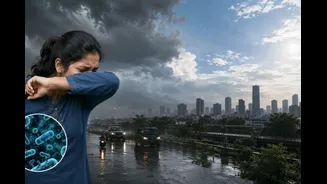










July arrived with relentless downpours that drenched Delhi-NCR, offering a welcome escape from weeks of scorching heat. But just as suddenly, the monsoon has paused, leaving behind sticky humidity and
rising health concerns. Dense rain clouds have given way to clear skies, humidity levels have fluctuated, and temperatures have begun climbing once again.
Despite this temporary pause in rainfall, hospitals across the region continue to report a concerning rise in respiratory illnesses, allergies, and water-borne infections. The lingering high humidity, combined with fluctuating temperatures and stagnant water from earlier showers, creates ideal conditions for disease-causing agents to thrive.
While many people associate the monsoon with water-borne diseases such as dengue and leptospirosis, respiratory illnesses are also on the rise during this period. According to Dr Sneha Tirpude, Senior Consultant Pulmonologist, Ruby Hall Clinic, Mumbai, changing weather patterns can aggravate allergies, asthma and seasonal infections, making preventive care more important than ever.
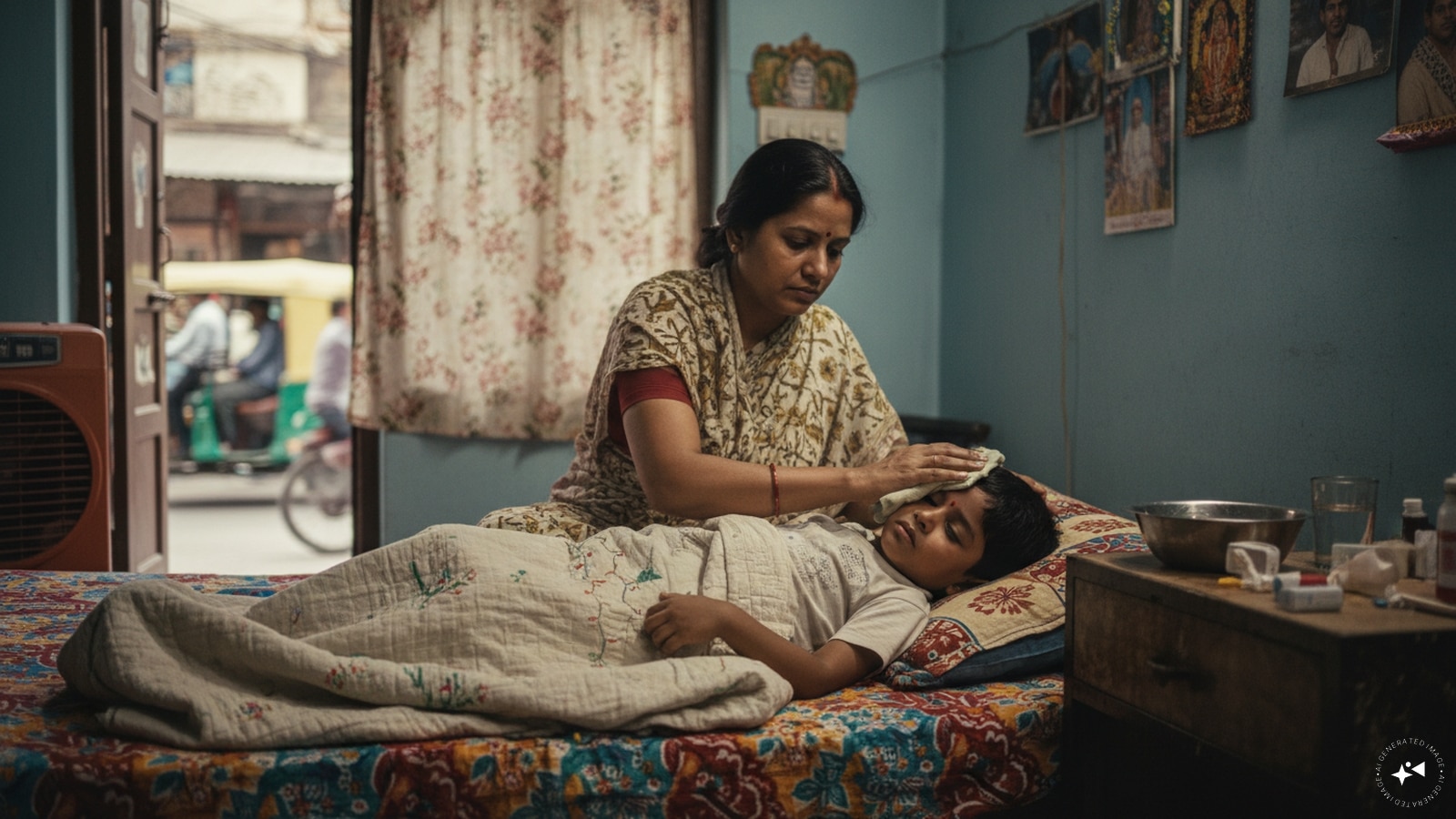
Why do Illnesses Increase During Monsoon?
Even with reduced rainfall, high humidity and moisture continue to fuel the growth of mould, fungi, and dust mites in homes, triggering respiratory problems. At the same time, earlier flooding and stagnant water have contaminated sources, raising the risk of water-borne diseases like typhoid, cholera, hepatitis A & E, and leptospirosis.
“The monsoon season is a time when respiratory diseases tend to increase because of the combination of high humidity, changing temperatures and increased exposure to allergens,” says Dr Tirpude.
She explains that excess moisture encourages the growth of mould, fungi and dust mites inside homes, especially in damp walls, carpets and poorly ventilated spaces. These allergens can trigger allergic reactions, asthma attacks and breathing difficulties, particularly in people who already have chronic respiratory conditions.
Monsoon is also associated with a rise in viral respiratory infections such as the common cold and influenza.
“People tend to stay indoors more during the rainy season, often in enclosed, air-conditioned environments where viruses spread more easily. Close contact increases the risk of respiratory infections passing from one person to another,” Dr Tirpude explains.
Poor ventilation and crowded indoor settings can further increase the chances of infection.
Can Monsoon Affect Air Quality?
While rainfall often settles outdoor dust, the period during and after showers can increase airborne mould spores and other microscopic particles.
“The damp environment allows fungal spores to multiply. These, along with disturbed dust particles, can irritate the airways, leading to coughing, throat irritation and breathing discomfort,” says Dr Tirpude.

For people with allergies or chronic lung disease, even short-term exposure can trigger symptoms.
Who is Most at Risk During Monsoon?
According to Dr Tirpude, individuals living with asthma, chronic obstructive pulmonary disease (COPD) and other chronic lung diseases are especially vulnerable during the monsoon.
“People with pre-existing respiratory illnesses are at greater risk because exposure to mould, fungal spores and dust mites can worsen their symptoms. They may experience frequent coughing, wheezing, chest tightness and shortness of breath,” she says.
Children, older adults and people with weakened immunity may also be more susceptible to seasonal respiratory infections.
How To Stay Safe During Monsoon?
Dr Tirpude recommends adopting a few simple precautions to reduce the risk of respiratory illnesses:
- Keep your home clean, dry and well-ventilated.
- Repair water leaks promptly to prevent mould growth.
- Clean and service air-conditioner filters regularly.
- Wash your hands frequently to reduce the spread of infections.
- Wear a mask if you have respiratory symptoms to protect others.
- Stay up to date with recommended vaccinations, including the seasonal flu vaccine where advised.
Seek medical attention if cough, fever, wheezing or breathlessness persist or worsen.

When Should You See A Doctor?
Many people dismiss a lingering cough or breathlessness as a seasonal inconvenience. However, symptoms that last beyond a few days, become more severe or are accompanied by high fever, wheezing or chest discomfort should not be ignored.
“Early medical evaluation is important, especially for people with asthma, COPD or other chronic lung diseases. Timely treatment can prevent complications and reduce the severity of respiratory illnesses,” advises Dr Tirpude.
While the rains may temporarily pause in Delhi-NCR, the health challenges of the monsoon continue. Staying alert to changes in your respiratory health, maintaining a clean indoor environment and seeking timely medical care can go a long way in keeping seasonal infections and breathing problems under control.