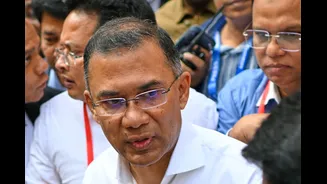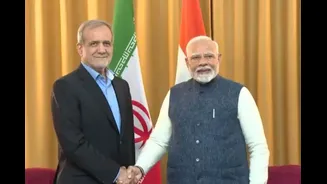








Iran President Masoud Pezeshkian is all set to travel to Delhi to attend the BRICS summit, sources told CNN-News18. The 18th BRICS Summit is scheduled to take place on September 12–13. The visit sets up
potential bilateral talks between President Pezeshkian and Prime Minister Narendra Modi to strengthen India-Iran ties. Discussions will likely focus on regional global issues, economic cooperation, and the ongoing West Asia crisis. Pezeshkian’s Delhi visit is of key important amid US-Iran war. Here’s why
WHY THE VISIT MATTERS: SOURCES SPEAK
- With the region still fragile, Delhi gets a direct channel with Tehran on de-escalation, stability and diplomacy.
- Energy security: Iran’s proximity to the Strait of Hormuz matters hugely for India’s oil, LPG and shipping routes.
- Chabahar & Central Asia: India-Iran cooperation at Chabahar Port is key to India’s connectivity with Afghanistan and Central Asia, bypassing Pakistan.
- India becomes the key bridge: New Delhi is simultaneously engaging Iran, the US, Gulf countries and the wider BRICS grouping — putting India in a unique diplomatic position during the war.
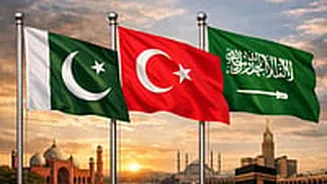
- A new geopolitical map: Pakistan strengthening Western/Gulf security ties, Iran embedding itself deeper in BRICS, and India trying to maintain strategic autonomy — Pezeshkian’s Delhi visit comes at the heart of this emerging realignment.
- BRICS gets geopolitical weight: Iran is a relatively new BRICS member, and its participation alongside Russia, China and India highlights the grouping’s growing strategic relevance.
- Economic engagement despite sanctions: Iran is seeking deeper BRICS financial and trade links; it has also indicated plans to join the BRICS New Development Bank, potentially opening new avenues for economic cooperation.
INDIA-IRAN TIES
India-Iran relations are defined by a delicate balance of civilisational ties, strategic connectivity, and complex geopolitical tightropes. While bilateral trade and regional infrastructure tightly link the two countries, India’s foreign policy faces severe pressure due to Western sanctions on Tehran and shifting Middle Eastern dynamics.
Chabahar Port: India has historicallycommitted to developing the Shahid Beheshti terminal at the Chabahar Port in southeastern Iran. The port provides India with a direct trade route to Afghanistan and Central Asia, effectively bypassing Pakistan.
The project has faced continuous hurdles due to unilateral US sanctions. New Delhi successfully lobbied for temporary sanctions waivers—including an extension until April 26, 2026—but long-term financing remains constrained by evolving US foreign policies. Chabahar acts as a crucial southern node for the International North-South Transport Corridor (INSTC). This 7,200 km multi-modal trade network connects India to Russia and Northern Europe via Iran.
Strait of Hormuz Cooperation: Over 80% of India’s crude oil imports transit the region, making maritime security paramount for New Delhi. During regional disruptions, quiet diplomacy between India’s External Affairs Ministry and Iranian leadership created a “green channel,” allowing India-flagged gas and oil tankers (like the Symi and NV Sunshine) to cross the critical chokepoint safely.
Iran was historically one of India’s top three crude oil suppliers, offering discounted pricing and rupee-settlement terms. However, direct commercial oil imports from Iran remain halted to comply with secondary US sanctions.
The expanding weight of the BRICS economic bloc gives both nations a neutral platform to interact. Direct dialogues—including conversations between Prime Minister Narendra Modi and Iranian President Masoud Pezeshkian—aim to secure trade supply chains without drawing India into broader regional military camps.
Away from high-level geopolitics, the two nations continue regular engagements through the Joint Committee Meeting (JCM) and Foreign Office Consultations. India primarily exports rice, tea, sugar, and pharmaceuticals to Iran, while importing fresh and dry fruits.