



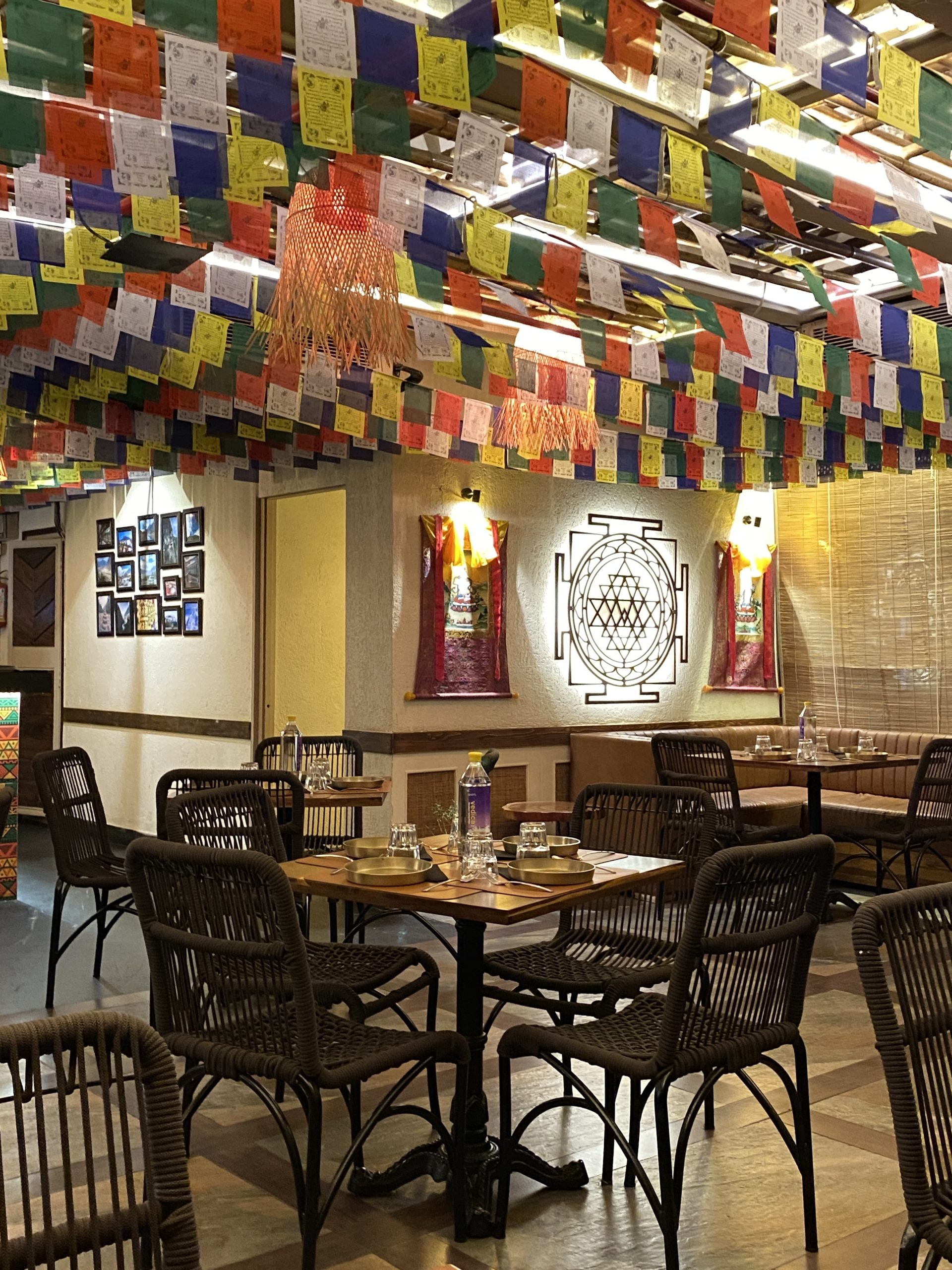
In the bylanes of Khar West, a short 15-minute walk from the railway station, situated atop Raasta and Khar Social, is a quaint restaurant that serves up Himalayan food. When you walk in, you are greeted
with soft tunes and rows upon rows of prayer flags. Known as a Lung Ta, these vibrant, rectangular cloths are strung across Himalayan passes, monasteries, rooftops, bridges, and trails in the northern hilly regions.
Did you know their iconic sets of five colours actually symbolise the harmony of the natural elements? Blue is for sky/space, white for air, red denotes fire, while green signifies water, and yellow is earth, and they are always placed in this order.
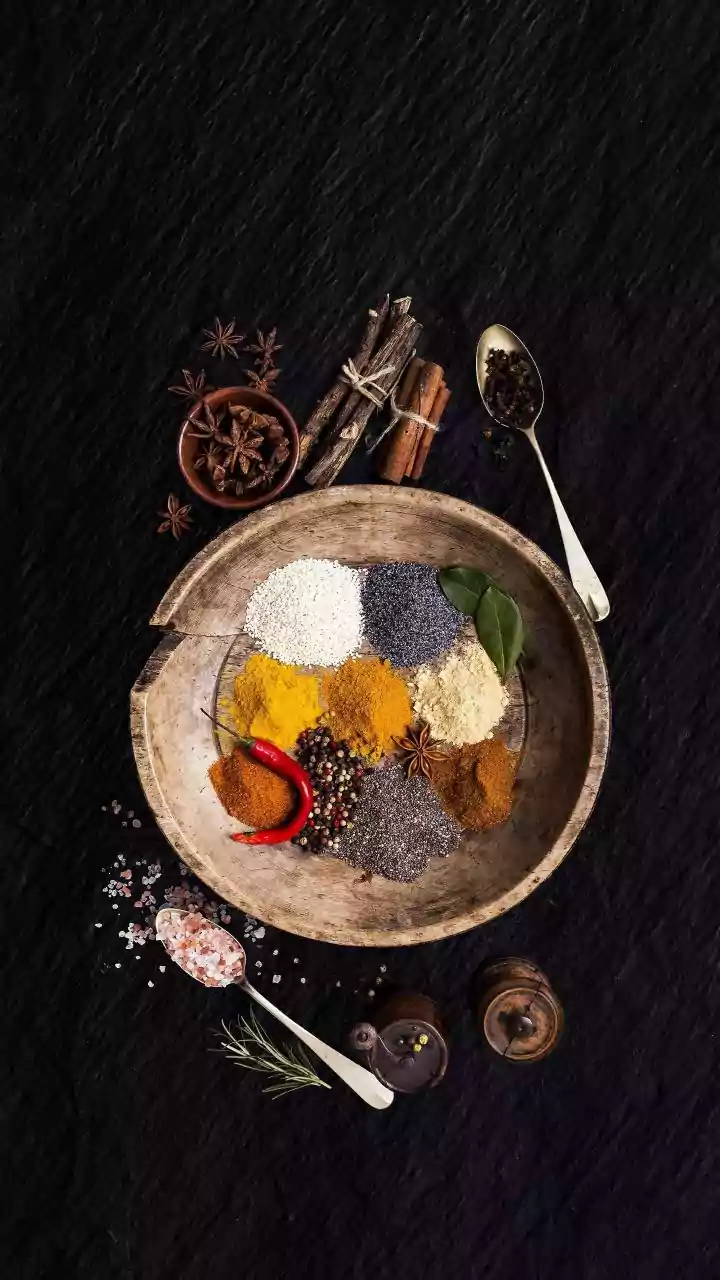
Himalayan cuisine encompasses the hearty yet subtly flavoured foods from the mountainous regions spanning Nepal, Bhutan, northern India (like Himachal Pradesh and Uttarakhand), and Tibet. Their food is shaped by high altitudes, harsh climates, dense and long months of snowfall and limited farmable lands. It uses simple ingredients like rice, lentils, potatoes, yak or goat meat, dairy (usually yak cheese, butter), and wild herbs, along with spices such as cumin, coriander, turmeric, ginger, garlic, and chillies that add warmth.
The menu at Yeti reflected some of the most popular dishes from these areas, like momos, thukpa, ema datchi, and a variety of dishes that highlight Wai Wai. It also throws light on some lesser-known dishes that are just as tasty and feel like a surprise when you order them.
Interestingly, Wai Wai are instant noodles that originated in Thailand in 1972 but went on to immerse itself in the fabric of Nepali cuisine after the Chaudhary Group started manufacturing them locally in 1985. The flavours were adapted to please the local palate, and it is not strongly associated with Nepal despite its Thai roots.
The food served at Yeti reflects the simple, homely preparations that you would find high up in the mountains. It is best to go into this experience with empty bellies and not preconceived notions of the food. The few wait staff present at the restaurant are knowledgeable about the cuisine and even have their own families living in Nepal, so they can easily guide you through the vast yet varied menu.
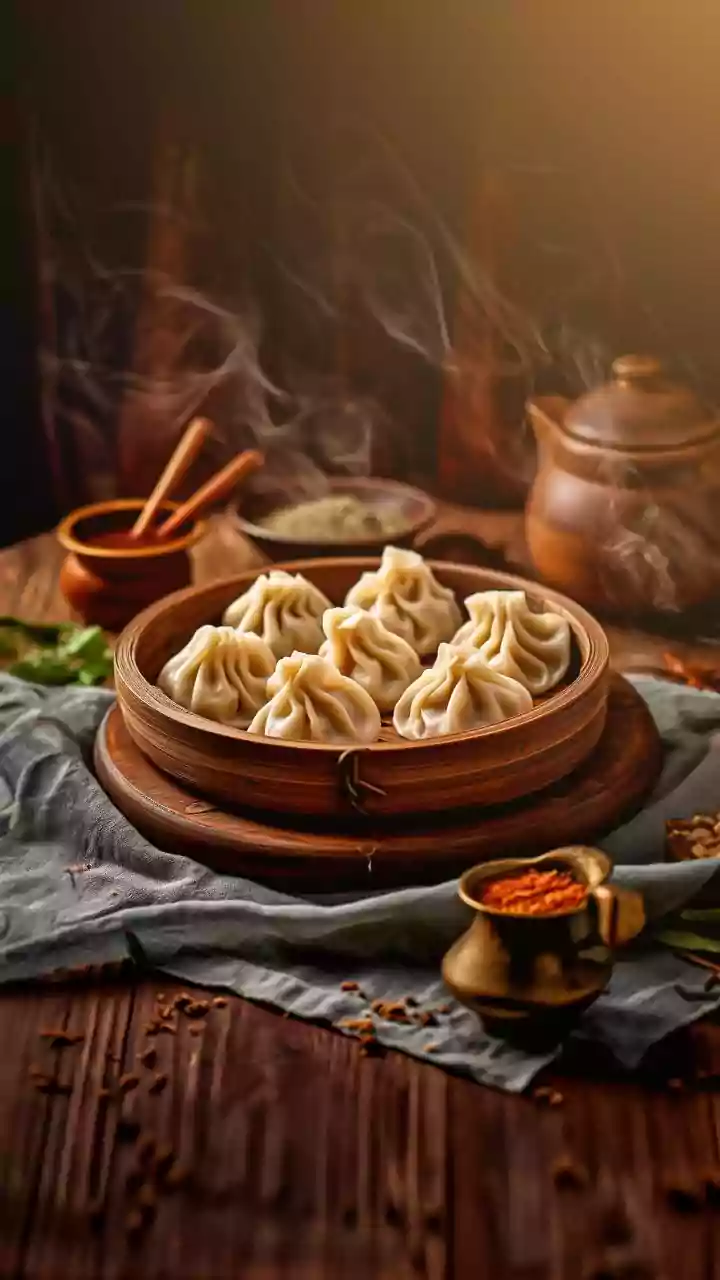
We started the tasting with an array of momo (steamed/fried dumplings filled with veggies or meat) – pan-fried kothey momos, jhol momos (steamed momos served in a dal made of bhatmas, aka roasted soya beans), and shablaya, which look like crescent-shaped gujiyas but are momos stuffed with seasoned mince or vegetables and burst with juices when you bite into them. Unlike the momos you might find in Mumbai, these are similar to the juicy xiao long bao made popular by Din Tai Fung. If you’re not careful, some of this piping hot liquid can scald your mouth and hand, but it’s a pain that’s worth it.
The next round of appetisers was the soups. With an extreme cold climate and winters that chill you to your bones, there is a need for foods that will warm you up from within. The most popular soup is thupka, which is made with broth, noodles, meats, egg and greens. But we also tried their mothuk (made with vegetable stock, veggies, and spices like ginger and garlic and comes with momos floating in it). Thenthuk is another kind of soup that is served with chewy hand-pulled noodles and has radishes added, along with veggies and meats of your choice. Each of them had its own unique preparations and was distinct enough that I didn’t feel flavour fatigue at all.
As most of their cooking methods up north favour steaming, slow simmering, stir-frying or cooking in the tandoor, we moved on to their main course. Already filled up from the generous portions of each dish, the dishes we ended up ordering and loving in this order were Sekuwa – a popular Nepali street food, where the chicken is marinated in dahi, ginger-garlic paste, mustard oil, timur and cumin, and cooked in a tandoor; chicken Wai Wai – a slightly dry instant noodle dish loaded with veggies and spices; and Choila – fiery and smoky chicken cooked with traditional Newari spices from Nepal.
The two dishes that I just had to try once I saw them on the menu were the Laphing and the Ema datchi.
Laphing is a popular spicy, cold Tibetan and Nepalese street food made from mung bean or potato flour noodles. It is served with a side of chilli oil, and the flat, thick-cut noodles have left me drooling each time I chanced upon a food vlog from Majnu Ka Tila, aka Mini Tibet in Delhi. The laphing at Yeti was stuffed with Wai Wai, and they gave you the option of chicken mince and vegetables. It was served with a soupy, curry sauce that was a punch of spicy, sour, slightly sweet flavours.
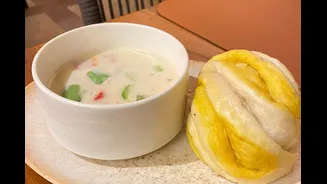
The Ema Datchi in India witnessed a sudden popularity on social media after actor Deepika Padukone had visited Bhutan and called it her ‘favourite dish’. As a food writer, I had to dig into this dish, and as a self-proclaimed foodie, I promised myself I would either recreate it or have an authentic version. Well, one of two came true at Yeti. If you order it, all apprehensions about your diet and calories need to be thrown out the window so that you can truly enjoy it, for it is – melted cheese with chillies served with tingu – a plaited soft bun that is akin to a bao. It is truly comfort in a bowl.
Ending the meal on a sweet note, the Yomari is not traditional by any measure. It is Nutella stuffed into a momo and served with ice cream. Warm, decadent and with a hint of hazelnut, these dessert momos are delicious, to put it simply. The mix of hot and cold with the ice cream on the side is classic. But the Din Tai Fung fan in me craved the sea salt cream that is usually served with the chocolate dumplings. However, was there a tear of joy in my eyes when I swiped the plate clean? Yes.