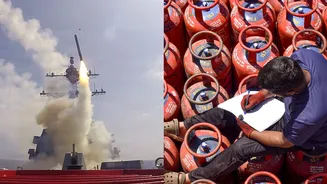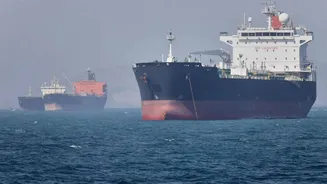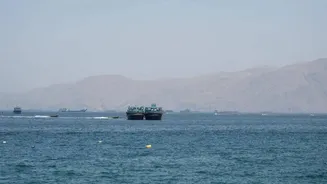










Iran’s closure of the Strait of Hormuz amid new attacks from the United States has created panic in the oil market, causing prices to rise by over 2 per cent. Given that the Strait of Hormuz is among the most
important shipping routes for global oil and liquefied natural gas, there are fears that the prices will continue to rise if such disruptions persist.
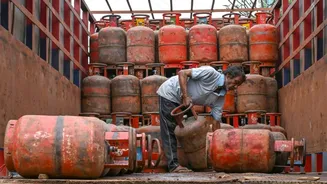
The implications for India are especially serious. The country imports around 88 per cent of its crude oil needs, with roughly half of those imports typically linked to supplies moving through Hormuz. More than 60 per cent of India’s LPG is imported, and most of that also transits the strait.
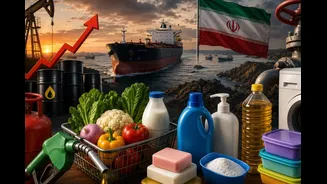
If oil prices continue to remain high, here are seven everyday items that could become more expensive for Indian households.
1. LPG Cylinders
This is perhaps the most direct impact.
ALSO READ | Can New Oil Pipelines, Alternative Routes Make Strait Of Hormuz Irrelevant? Reality Check
India imports a substantial portion of its cooking gas requirements, and much of that supply comes through the Gulf. A prolonged disruption could push up import costs, eventually affecting domestic LPG pricing and subsidy calculations.
2. Petrol And Diesel
This is a blow that the Indian consumer has felt recently with the hike in prices of petrol, diesel, and CNG. Even if retail fuel prices do not rise immediately, sustained crude prices near or above $100 a barrel would increase pressure on oil marketing companies and the government. Higher transport fuel costs eventually ripple through the economy, affecting everything from deliveries to public transport.
3. Milk, Vegetables And Daily Groceries
Most food items travel hundreds of kilometres before reaching consumers.
When diesel prices rise, transportation becomes more expensive. Trucking costs are often passed on to wholesalers and retailers, making vegetables, fruits, milk and other essentials costlier even if agricultural production remains unchanged.
4. Packaged Foods
Biscuits, chips, instant noodles, edible oils and other packaged products are vulnerable to a double hit.
ALSO READ | The Hidden Cost Of The Hormuz Blockade: How India Is Losing 8,00,000 Tonnes Of Urea A Month
Manufacturers face higher logistics costs, while many packaging materials are derived from petrochemicals. If crude remains elevated, companies may either raise prices or reduce pack sizes.
5. Soaps, Detergents And Household Cleaners
Many ingredients used in detergents, cleaners and personal care products originate from petrochemical feedstocks.
A sustained increase in crude oil prices typically raises manufacturing costs for these products, which can eventually show up on supermarket shelves.
6. Plastic Household Goods
Buckets, containers, storage boxes, kitchenware, water bottles and countless other household products depend on petroleum-based raw materials. As petrochemical prices rise, manufacturers often pass part of the increased cost to consumers.
7. Mobile Phones, Appliances And Electronics
The impact here is less obvious but still real.
Higher fuel costs increase shipping and logistics expenses across global supply chains. Many electronics also use petroleum-derived plastics and components. If the Hormuz disruption persists, import-dependent products could see gradual price increases.
Why India Is Particularly Vulnerable
India is among the world’s most exposed major economies when it comes to disruptions in the Strait of Hormuz. Roughly half of its crude imports, a large share of LPG imports and significant LNG supplies are linked to the route. Analysts quoted by ORF estimate that every $10 increase in crude oil prices can raise inflation and slow economic growth.
The country, for now, has strategic reserves, diversified suppliers and can source additional crude from regions such as Russia, Africa and Latin America. But if the standoff drags on and oil remains elevated for weeks, consumers could start feeling the pinch in fuel, cooking gas, groceries and a wide range of everyday household products.