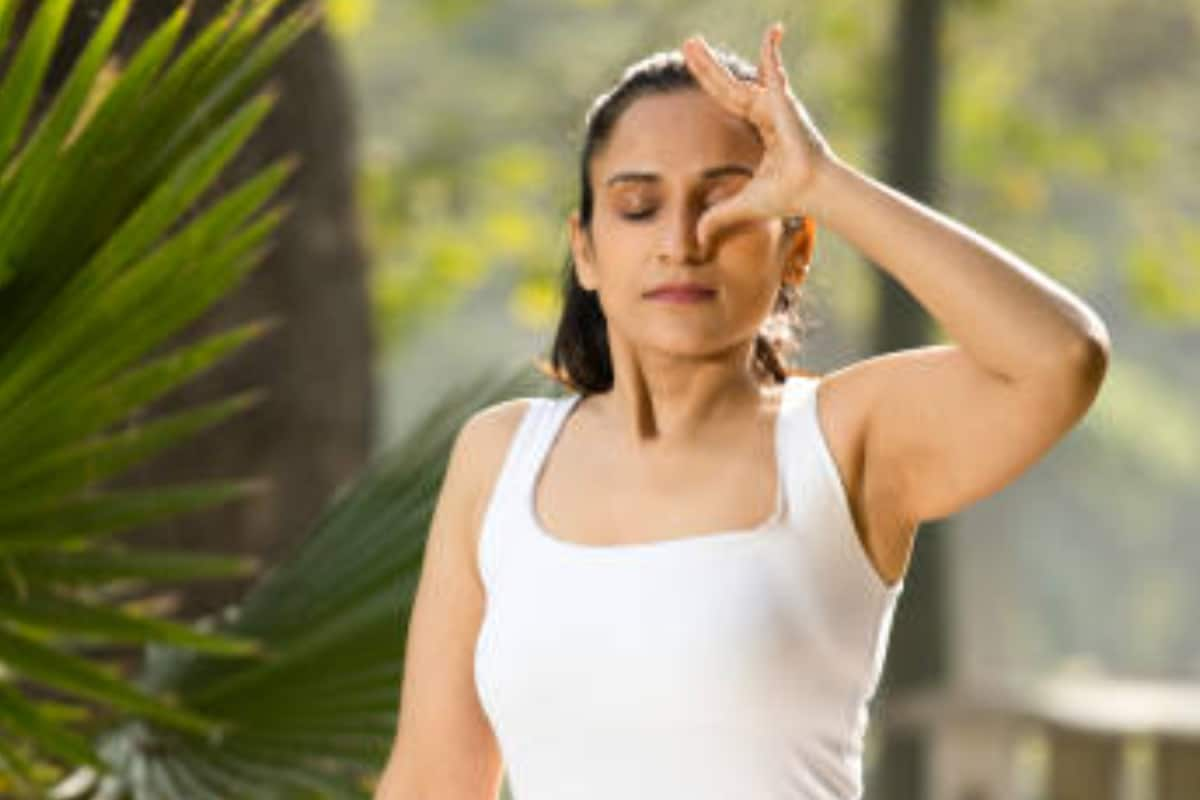



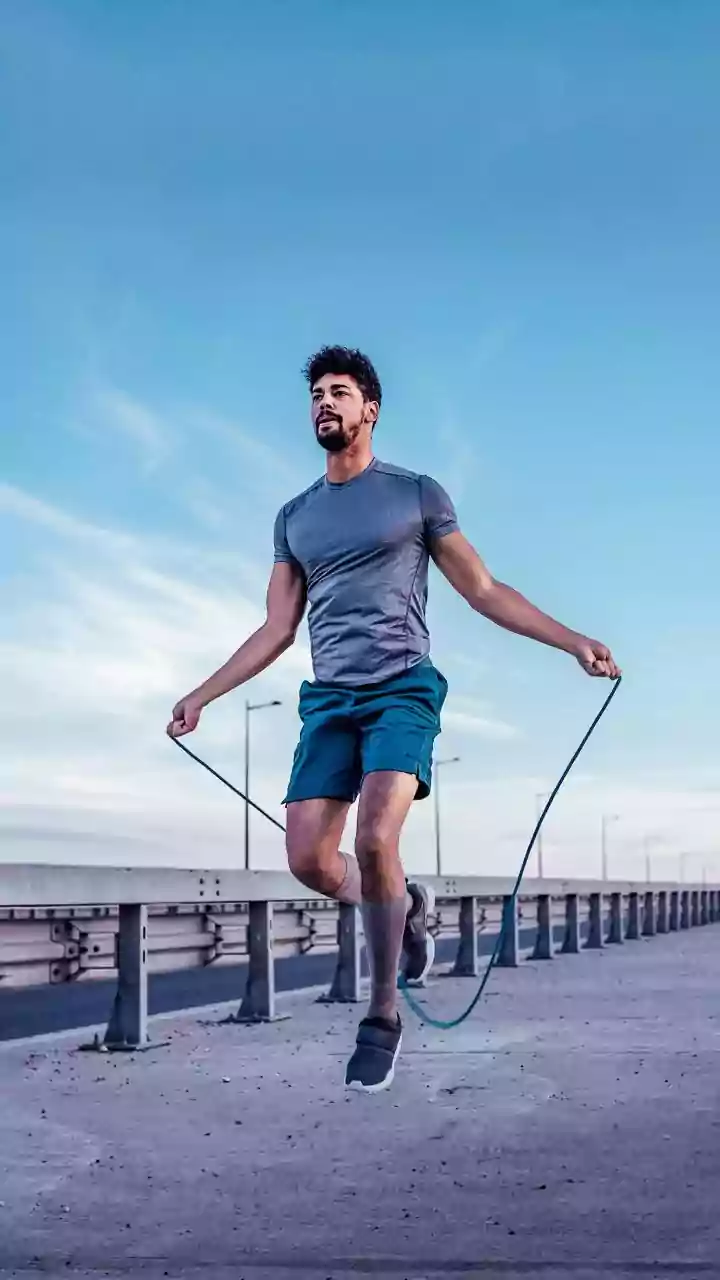
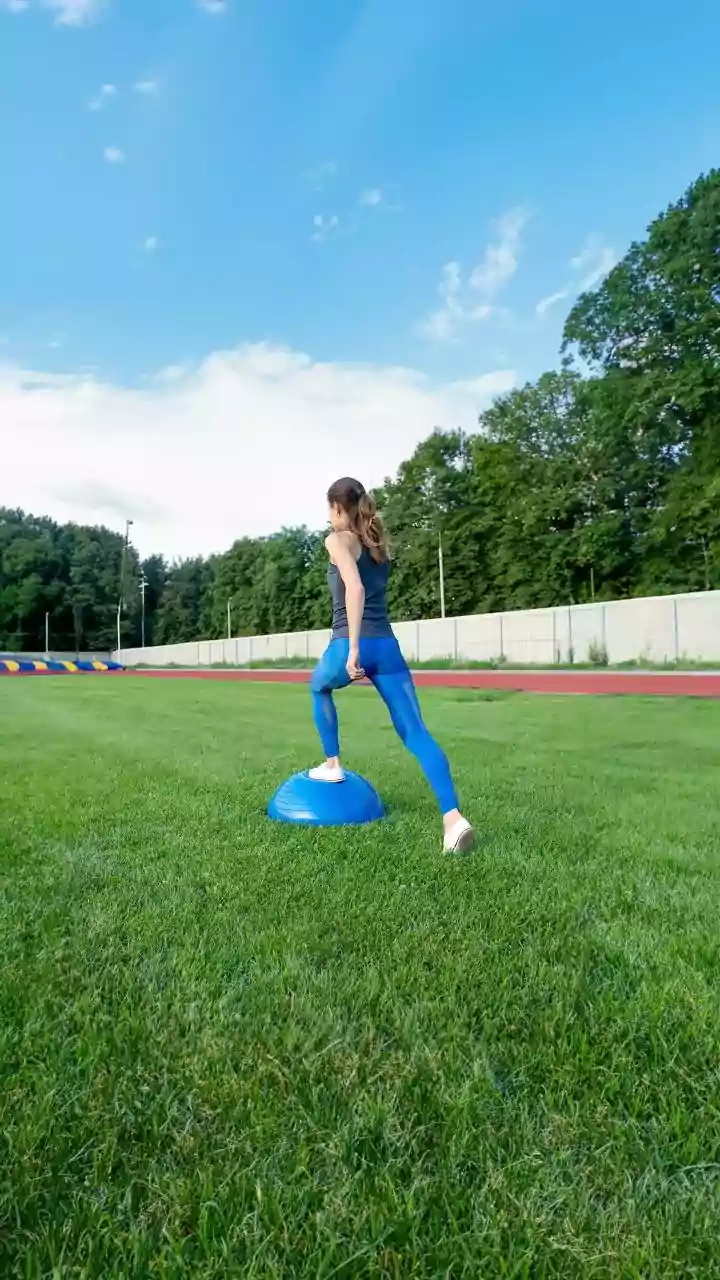




For decades, fitness has been associated with sweat, speed, and stamina, pounding treadmills, high-intensity intervals, and pushing physical limits. But a quieter, more measured approach is steadily gaining
attention: structured breathwork. And according to pulmonologists, this shift may be more than just a wellness fad.
“As a pulmonologist, I often meet people who believe getting fit always means heavy workouts and running breathlessly on a treadmill,” says Dr Neetu Jain, Senior Consultant, Pulmonology, PSRI Hospital, Delhi. “However, lungs may respond better to slow, controlled breathing than to intense physical exertion.”
The Science of Slowing Down
Breathing is unique among bodily functions, it operates automatically, yet can also be consciously controlled. That dual control allows it to influence heart rate, blood pressure, and stress hormone levels.
“Deep, slow diaphragmatic breathing draws air into the lower parts of the lungs, where oxygen exchange is most efficient,” explains Dr Jain. “This improves breathing efficiency without placing strain on the joints or heart, an important benefit for beginners, older adults, asthmatics, and those recovering from post-COVID weakness.”
In contrast to high-impact workouts, quiet breathwork offers physiological benefits without triggering exhaustion. For many urban dwellers, the problem is not lack of exercise but chronic stress, anxiety, shallow breathing, and poor sleep.
“A lot of city residents complain of fatigue, anxiety, and insomnia,” notes Dr Jain. “For them, a hard gym workout may feel like punishment rather than healing.”
A simple pattern, inhaling through the nose for four counts, holding briefly, and exhaling for six activates the parasympathetic nervous system, often referred to as the body’s “recovery mode.” Over time, chest muscles relax, airways dilate, and mental activity settles.
A Nervous System Reset
From a clinical standpoint, breathwork is not merely relaxation, it is regulation.
“Breathwork is not a ‘soft’ alternative to fitness,” says Dr Ajinkya Gulve, Pulmonologist, Inamdar Multispeciality Hospital, Pune. “It is a practical way to train your nervous system, and the lungs can benefit almost immediately.”
Modern lifestyles; long screen hours, rushed schedules, poor sleep, and constant stimulation often lead to shallow, upper-chest breathing. This pattern keeps the body in a low-grade stress state.
“Nasal breathing, a slower rhythm, and a longer exhale help shift the body from ‘alert mode’ to ‘recovery mode,’” explains Dr Gulve. “This can reduce anxiety-related breathlessness and improve everyday breath control.”
The appeal of “no-sweat calm” lies partly in accessibility. Breathwork requires no equipment, no membership, and no special setting. It can be practised at a desk, in a car, or before sleep.
Dr. Jain adds that breath awareness also improves posture and encourages nasal breathing both critical in polluted urban environments where airway protection matters.
Breathwork Is Support Not Substitute
However, both experts caution against viewing breathwork as a replacement for physical activity.
“The gym has its place,” says Dr Jain. “Lungs prefer rhythm over rush but the body still needs movement.”
Dr. Gulve reinforces this balance: “Breathwork should support movement, not replace it. The heart and lungs require regular physical activity to build stamina, improve oxygen utilisation, and maintain long-term metabolic health. Breathwork guides the system; movement strengthens it.”
In other words, calm breathing enhances efficiency but aerobic conditioning builds capacity.
A Safe Starting Point
For most healthy adults, a basic routine is both simple and safe. “Practise for five minutes, twice a day,” advises Dr. Gulve. “Sit upright, relax your shoulders, inhale through your nose for four counts, and exhale for six. Repeat for 20 to 30 breaths.”
Those experiencing tightness or wheezing should keep the breathing gentle and prioritise slow, soft exhalations. If dizziness, tingling, chest discomfort, or panic occurs, the session should stop, as these may signal over-breathing.
Breathwork may be particularly helpful for individuals who:
Experience stress-related breathlessness
Lead sedentary lifestyles
Habitually breathe through the mouth
Snore during sleep
Are recovering from respiratory infections
However, it is not a cure-all. “It cannot reverse the effects of smoking, vaping, or prolonged exposure to poor air quality,” Dr. Gulve cautions. Individuals with uncontrolled asthma, severe COPD, serious cardiac conditions, pregnancy complications, or recent chest surgery should practise under medical supervision.
The Quiet Shift in Fitness Culture
The growing interest in calming practices reflects a broader change in how people define health. Fitness is no longer only about visible muscle tone or calorie burn; it increasingly includes nervous system resilience and emotional regulation.
“What quiet breathwork teaches us,” Dr Jain concludes, “is that sometimes the most powerful exertion is mastering the art of breathing slowly and calmly.”
In a culture that equates effort with exhaustion, the rise of no-sweat calm suggests something radical: progress does not always require pushing harder. Sometimes, it begins with simply breathing better.