







Karwa Chauth Fasting Rules 2026: Karwa Chauth is marked by married women observing a fast for the well-being and longevity of their husbands. This year it will be celebrated on Thursday, October 29. One
of the most common questions ahead of the festival is whether drinking water is permitted during the vrat.
According to the traditional practice, Karwa Chauth is observed as a nirjala vrat, which means abstaining from both food and water. The fast generally begins after the pre-dawn meal, known as Sargi, and continues until the Moon is sighted in the evening. After performing the prescribed rituals and offering arghya to the Moon, devotees traditionally break their fast.
Read More: Karwa Chauth 2026 Date, Muhurat, Rituals And Significance Every Wife Must Know
However, fasting practices can differ across regions, families and individual circumstances. Here is a look at the traditional Karwa Chauth fasting rules, the significance of Sargi and what to keep in mind before observing the vrat.
Can You Drink Water During the Karwa Chauth Fast?
Under the traditional nirjala vrat, drinking water is not permitted between the beginning of the fast and the evening moon-sighting ritual. The observance involves abstaining from both food and water during this period.
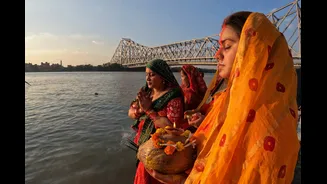
The fast is traditionally concluded after the Moon is sighted and worshipped. Devotees offer arghya, or water, to the Moon as part of the evening rituals before breaking the fast.
Read More: Karwa Chauth 2026 Puja Samagri List: Check All Essential Items Required For Vrat
Those following a strict traditional observance generally avoid water throughout the day. However, some people follow modified fasting practices according to their family’s customs or personal circumstances. Anyone considering a modified fast should understand that practices may differ and that health needs should take priority over maintaining a waterless fast.
What Is a Nirjala Vrat?
The term nirjala refers to fasting without water. During Karwa Chauth, this observance generally means abstaining from food and water from the morning until the Moon is sighted in the evening.
Read More: Karwa Chauth 2026: Why Do Women Look At The Moon Through A Sieve? Significance Of Karwa Pot And Moon Ritual
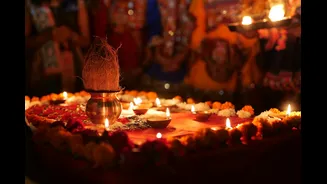
The fast is associated with prayers for the well-being, prosperity and longevity of one’s spouse. Women perform evening puja, listen to or recite the vrat katha and worship the Moon before completing the fast.
What Is Sargi, and When Is It Eaten?
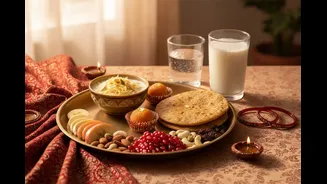
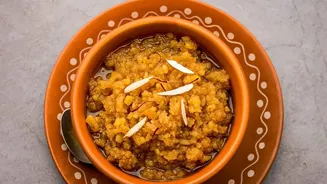
Sargi is pre-dawn meal eaten before the Karwa Chauth fast begins. In many families, the mother-in-law prepares or gives Sargi to her daughter-in-law.
Read More: Karwa Chauth 2026 Sargi Time: What To Eat Before Sunrise And What To Include In The Thali
The meal may include fruits, dry fruits, nuts, sweets, savoury foods and beverages. Its contents vary across households and communities.
Sargi is usually consumed before sunrise. Once the fast begins, those observing the nirjala vrat abstain from food and water until the evening rituals are completed.
Since the meal may be followed by many hours without food or water, people should consider their health needs when deciding how to observe the fast.
Read More: Karwa Chauth 2026 Puja Vidhi: Step-By-Step Rituals From Sargi To Moon Sighting
How Is the Karwa Chauth Fast Broken?
The fast is broken after the Moon is sighted in the evening. The ritual sequence commonly includes the following steps:
Moon sighting: Devotees look for the Moon after sunset, following the timing applicable to their location.
- Offering arghya: Water is offered to the Moon as part of the worship ritual.
- Prayers and customary rituals: Devotees complete the evening puja according to their family traditions. In many households, women view the Moon and their husbands through a sieve.
- Breaking the fast: The fast is concluded with water and food. In some families, the husband offers the first sip of water to his wife.
The Moon’s rising time also varies by location, so devotees should check a local Panchang for the relevant timing.
Can You Drink Water or Eat Fruit During Karwa Chauth?
Some families and individuals follow modified fasts that permit water, milk, fruit or other light foods. Such practices may be described as phalahar or fruit-based fasting, although the exact rules depend on the tradition being followed.
Read More: Karwa Chauth 2026: Can Unmarried Women Keep The Fast?
These modifications should not be confused with the strict nirjala observance, which excludes both food and water. People should follow their family’s religious customs where appropriate while making decisions that account for their individual health.
There is no need to treat a waterless fast as a test of endurance. Anyone who feels unwell during fasting should prioritise their safety and seek medical advice when necessary.
Health Precautions to Keep in Mind
Going without water for an extended period can increase the risk of dehydration, particularly in hot weather or for people with certain medical conditions.
Read More: Karwa Chauth 2026 Mehndi Designs: Simple, Bridal And Latest Henna Ideas
Pregnant or breastfeeding women, older adults, people with diabetes or low blood pressure, and those taking regular medication should speak with a qualified healthcare professional before undertaking a strict waterless fast. Medication schedules should not be changed without medical guidance.
Warning signs such as dizziness, fainting, confusion, unusual weakness or very little urine should not be ignored. If symptoms develop, stop fasting and seek appropriate medical assistance.
People who need to drink water or eat for medical reasons should not feel compelled to continue a strict fast at the expense of their health. Religious observances can be discussed with family members and religious advisers in a way that respects both tradition and individual circumstances.