






India is likely to maintain its long-standing stance of excluding sensitive agricultural products and dairy from the trade deal with the United States, a government official has said, signalling that these
sectors are largely unlikely to feature in any significant market-opening commitments.
“What has been the stance remains the stance. The usual stance (for sensitive items in agriculture, dairy) is likely to stay,” the official was quoted as saying by MoneyControl on the condition of anonymity.
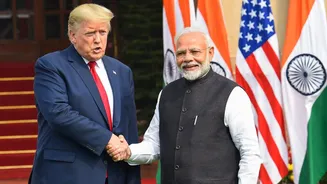
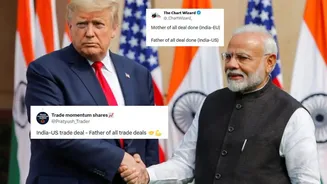
On Monday, US President Donald Trump announced on Truth Social that the US and India had reached a trade deal, stating that the agreement would substantially reduce the reciprocal tariffs set to take effect from mid-2025. Under the terms of the deal, Trump said the US would lower its tariffs on Indian goods to 18 per cent, while duties on American products entering India are expected to drop to zero.
The official said that negotiators from both sides are currently working on the documentation for the trade deal and are in discussions on the same.
The Agri Debate
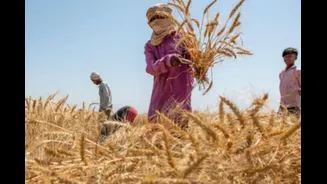
A large part of India’s population depends on agriculture and dairy for income and employment. Millions of small and marginal farmers rely on these sectors, especially dairy, where most producers operate on a small scale. Critics of open and free trade argue that opening these markets to imports from countries with highly subsidised and large‑scale production could undermine local producers and cause job losses in rural areas.
Apart from this, agriculture is closely tied to national food security. Ensuring stable production and availability of key staples protects India from global price shocks and shortages. Governments often shield staples to prevent sudden import surges that might hurt domestic food supply and prices.