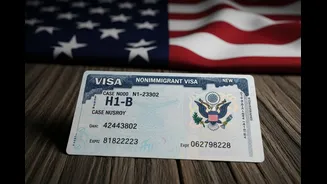









The H-1B visa lottery, for decades, was the gateway for thousands of Indian professionals to work in the United States. However, now, that entry is being fundamentally reshaped. The Donald Trump administration
has decided to scrap the random lottery system for allocating H-1B visas, replacing it with a selection process that prioritises higher wages and specialised skills—a move that is expected to hit Indian applicants the hardest.
Matthew Tragesser, a spokesman for US Citizenship and Immigration Services, was quoted by the Associated Press as saying: “The existing random selection process of H-1B registrations was exploited and abused by US employers who were primarily seeking to import foreign workers at lower wages than they would pay American workers.”
According to the department, the revised system will “implement a weighted selection process that will increase the probability that H-1B visas are allocated to higher-skilled and higher-paid” foreign nationals.
So, What Changes?
The random lottery has been replaced with a weighted selection system. According to the Times of India, visas will now be allocated based on wage level and skill, giving priority to applicants with higher salaries and specialised expertise.
The change aims to reduce what US authorities call “exploitation” of the system through low-wage hiring and to better protect American workers’ wages and opportunities.
When Will The Changes Happen?
The rule will come into force on February 27, 2026, and will apply to the upcoming H-1B cap registration cycle.
What Has Been The Rationale Behind The Move?
According to the Department of Homeland Security and US Citizenship and Immigration Services (USCIS), the lottery had been “exploited” by some employers to import lower-paid foreign workers at the expense of American workers’ wages and job opportunities.
Officials argue that prioritising higher-wage and higher-skill roles better aligns with congressional intent and strengthens competitiveness, the Business Standard reported.
Why Will Indians Be Hit The Hardest?
Indian nationals currently receive over 70 per cent of all H-1B visas issued each year, mainly in technology, engineering, and services sectors. This means any tightening of the allocation system disproportionately impacts Indian applicants simply because they make up the bulk of beneficiaries.
While skilled workers with top salaries and extensive experience may still find viable pathways under the new system, mid-career professionals, entry-level engineers, and those sponsored by smaller firms or staffing consultancies could see their chances fall sharply. According to Business Standard, this is because their wage levels often fall below the top tiers that now receive priority.
Apart from this, the latest move is part of a broader set of changes under the Trump administration, which includes:
• A $100,000 annual fee on new H-1B visa applications, which experts say hits smaller sponsors and companies that often employ Indian workers disproportionately harder than large multinationals.
• Expanded social media and vetting requirements, which have already led to widespread rescheduling and delays for H-1B and dependent (H-4) visa interviews in India.
Together, these measures create a tougher environment for Indian hopefuls—especially those who depend on entry-level roles or visas sponsored by smaller firms.
According to the Times of India, many Indian tech workers have historically used H-1B visas to gain US work experience and build careers. With the lottery gone, odds of selection could shift dramatically in favour of top-tier salaries and specialised skills, often reducing opportunities for the typical range of Indian applicants.
Companies that rely on sending talent offshore may also need to adjust hiring strategies, shift roles back to India, or explore alternatives like expanding delivery centres outside the US.
With reduced chances via H-1B, many professionals and students from India could increasingly look at other destinations such as Canada or Europe for work visas—or build careers in India’s rapidly growing tech ecosystem.