





For more than a century, Asiatic lions in India have been almost entirely spotted at Gujarat’s Gir National Park. But now wildlife enthusiast and travelers can witness the big cat at Barda Wildlife Sanctuary
in Gujarat’s Saurashtra region.
And this is no ordinary wildlife comeback, it is only after 144 years, the Asiatic lions have returned to Barda, giving travellers another reason to explore Gujarat’s wilderness beyond Gir. With 17 lions, including 11 cubs, now calling the sanctuary home, the forest is emerging as a new destination to watch for those hoping to experience India’s iconic big cats in the wild.
According to a study published in PLOS One, Barda Wildlife Sanctuary has suitable habitat, prey resources and environmental conditions to support a lion population over the long term. The return follows the natural dispersal of a male lion from the Gir landscape in 2023, followed by the Gujarat Forest Department introducing five female lions to strengthen the population.
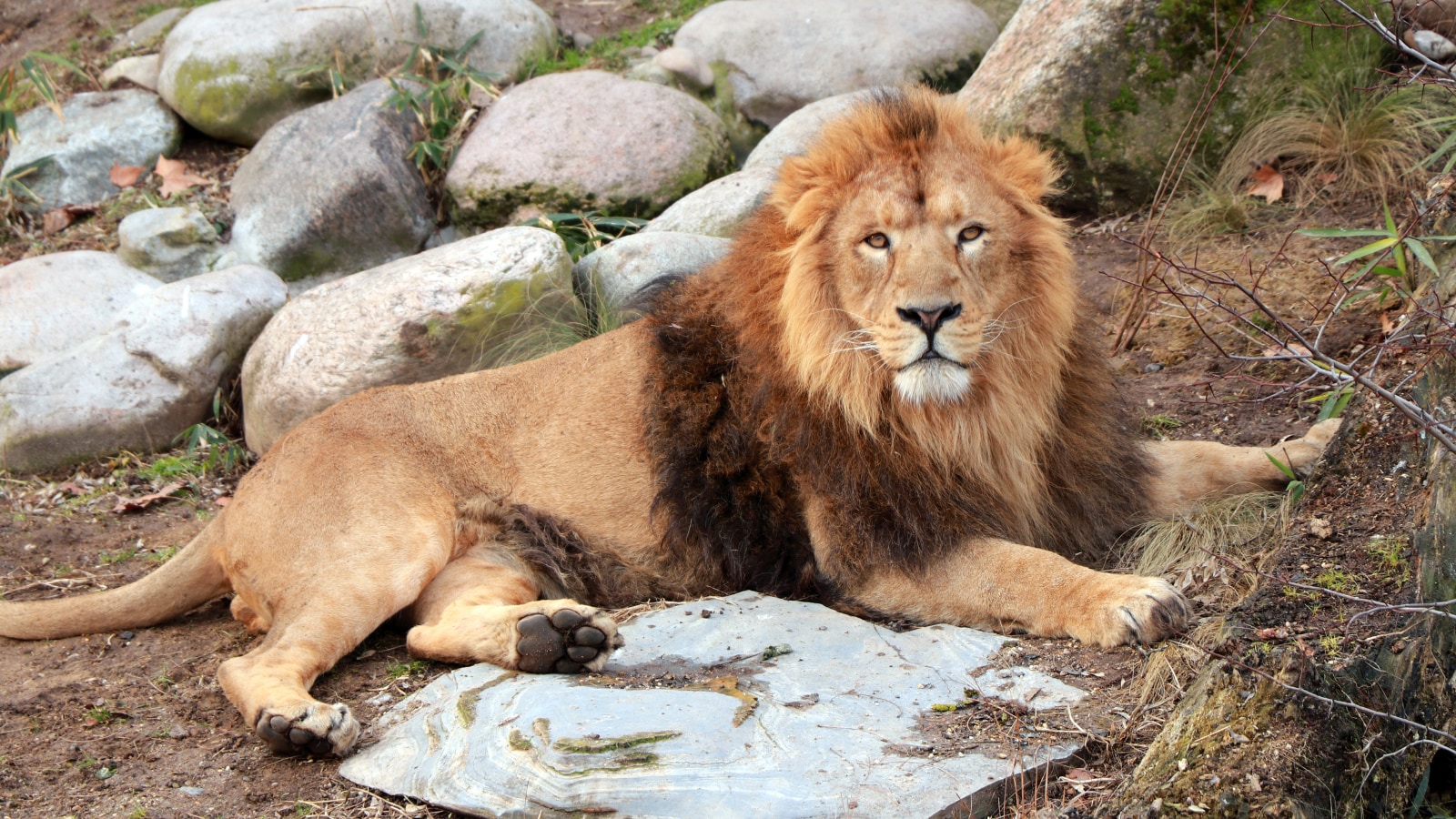
The sanctuary now has 17 lions, including six adults and 11 cubs, according to the 2025 lion population estimation.
The study, titled Beyond Gir: Barda Wildlife Sanctuary as a Potential Stronghold for Asiatic Lions, examined the animals’ movements, habitat preferences, social behaviour and diet. Researchers fitted GPS collars to six lions and recorded more than 169,000 location points between January 2023 and July 2025
All About Barda Wildlife Sanctuary
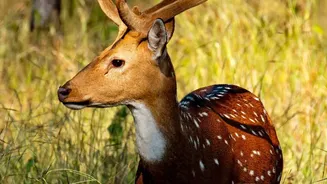
Spread across approximately 192.31 square kilometres in Gujarat’s Porbandar and Devbhumi Dwarka districts, Barda Wildlife Sanctuary lies around 15 kilometres from Porbandar town. Its landscape supports other wildlife, including leopards, hyenas, jackals and deer, alongside diverse vegetation.
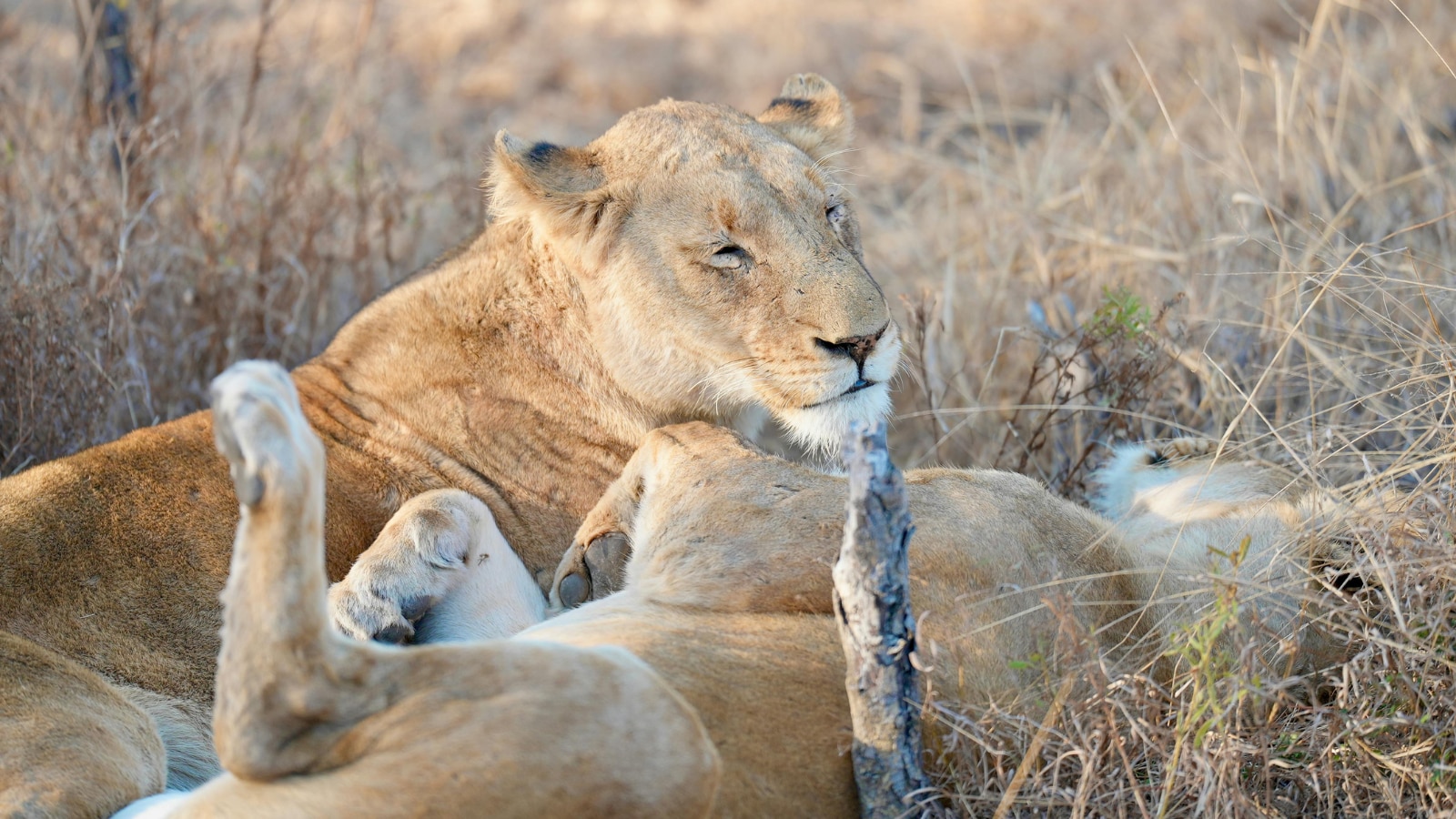
It was declared a protected area in 1979, the same year the state launched the Gir-Barda Project with the aim of creating a second home for Asiatic lions. The sanctuary supports diverse vegetation, including babul, dhav, rayan, ber, jamun, bamboo and medicinal plants such as guggal.
For travellers interested in Gujarat’s wildlife beyond the well-known Gir circuit, Barda is emerging as a quieter, less crowded alternative with morning and afternoon safaris reportedly to be available, though visitors should confirm current permissions, timings and access rules with the Gujarat Forest Department before planning a trip.
As the lion population establishes itself, habitat protection, prey availability and careful management of human-lion interactions will be essential to making Barda a lasting conservation success.