



Israel opposed a ceasefire deal between the United States and Iran, arguing that continued military pressure could further weaken Tehran’s leadership, according to sources cited by Reuters.
A source briefed
on the matter said Israel believed more could be achieved through military operations before entering negotiations, but ultimately decided to support the decision taken by US President Donald Trump.
LIVE Updates On The US-Iran War
A second source told Reuters that Israel had pressed the Trump administration against reaching a deal with Tehran.
Despite its reservations, an Israeli official said Washington had coordinated the temporary ceasefire with Israel, stressing that the truce did not include any commitment to permanently end the war, compensate Iran or lift sanctions.
According to the Times of Israel, citing a The Wall Street Journal report, Israeli officials were unhappy with the limited consultation and late notice before the US announced the ceasefire agreement with Iran.
The report said Israel was informed only at a late stage that the deal had been finalised, with consultation largely limited to a phone call between Donald Trump and Israeli Prime Minister Benjamin Netanyahu shortly before the announcement.
Mediators and a source familiar with the matter told the Journal that Israeli officials objected to certain aspects of the agreement, particularly suggestions that the truce extended to Lebanon, which Israel considers a separate conflict arena from Iran.
Israel subsequently clarified that while it agreed to halt strikes on Iran, military operations against Hezbollah in Lebanon would continue.
ISRAEL SEEKS STRICT CONDITIONS ON NUCLEAR, MISSILE PROGRAMME
According to the report, Washington intends to insist during negotiations that Iran hand over its nuclear material, halt uranium enrichment and eliminate the threat posed by its ballistic missile programme.
The Israeli official said the ceasefire framework did not include any concession on Iran’s strategic capabilities and that negotiations would focus on dismantling key elements of Tehran’s military infrastructure.
Israel has consistently maintained that any deal must ensure long-term security guarantees and prevent Iran from rebuilding its nuclear or missile capabilities.
NETANYAHU WARNS ISRAEL CAN RESUME FIGHTING
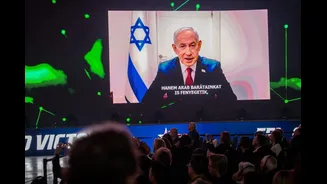
In a televised address, Benjamin Netanyahu signalled that Israel remains prepared to resume military operations if its objectives are not achieved diplomatically.
Netanyahu said Israel still had goals to accomplish, but could achieve them either through negotiations or renewed military action.
He warned that Israel’s “finger is on the trigger,” indicating readiness to escalate if required.
Israeli officials have emphasised that the ceasefire is temporary and does not restrict Israel’s ability to act if national security concerns persist.
ISRAEL SUPPORTS TRUCE BUT MAINTAINS STRATEGIC PRESSURE
While backing Washington’s diplomatic initiative, Israel has continued to signal that the pause in hostilities does not represent a final settlement.
According to Reuters, the United States informed Israel that upcoming talks with Tehran would address nuclear material, uranium enrichment and ballistic missile threats as part of a broader effort to reduce regional tensions.
Israel agreed to support the US-led initiative despite earlier opposition, reflecting the close strategic coordination between the two allies.
DIFFERENCES REMAIN OVER PATH FORWARD
Despite agreement on a temporary pause, differences remain between the United States, Iran and Israel on the long-term framework for ending the conflict.
Israel has maintained that the objective remains weakening Iran’s military capabilities and preventing future threats, while keeping open the option of resuming strikes if negotiations fail.
The ceasefire is expected to provide a limited diplomatic window for talks, but officials have indicated that core disagreements over nuclear enrichment, sanctions and regional security remain unresolved.