







Almost six years after COVID-19 first emerged, respiratory symptoms can still trigger concern about what is happening inside the lungs. A cough, breathlessness or chest discomfort following an infection
may immediately raise questions about whether the illness has reached the lungs or whether there is lasting damage.
However, a lingering cough does not necessarily mean that the infection is still active or that the lungs have been harmed. Respiratory infections can leave the airways inflamed or unusually sensitive even after the infection itself has cleared. For some people, particularly those with pre-existing lung conditions, older adults or those with weakened immunity, recovery can take longer.
This is also why not every post-infection cough requires antibiotics or signals a serious lung problem. What matters is how the symptoms progress, how long they persist and whether they are accompanied by warning signs such as breathlessness, chest pain, fever, blood in the sputum or falling oxygen levels. We spoke to pulmonologists who explained why respiratory symptoms can linger after an infection and when a cough may need closer medical evaluation.
Has Every Respiratory Infection Reached The Lungs Post COVID-19?
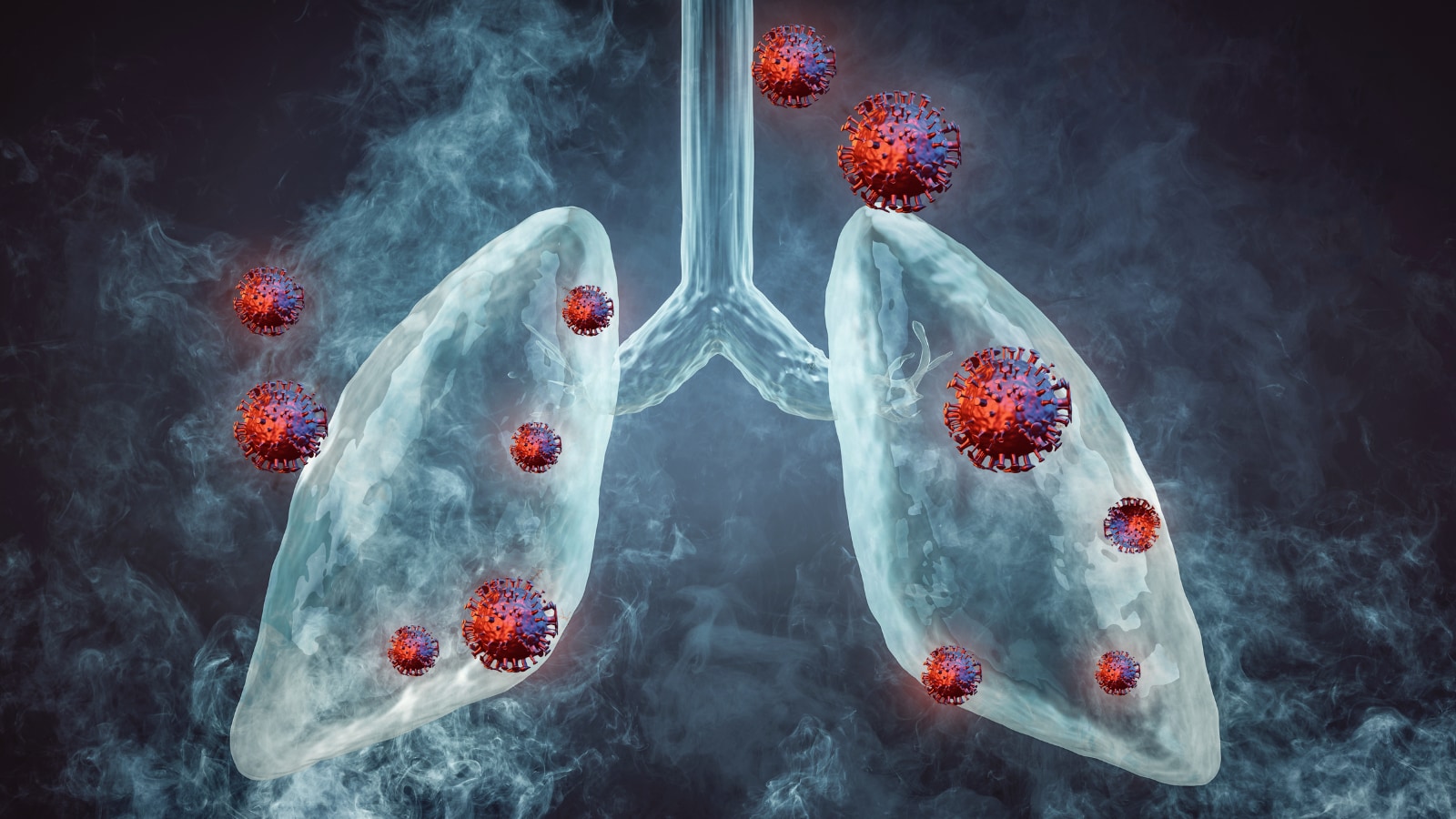
Many respiratory infections primarily involve the upper respiratory tract, affecting the nose, throat and larger airways. Others can involve the lower respiratory tract and cause conditions such as bronchitis or pneumonia.
The severity and duration of symptoms can depend on the infectious organism, the person’s age, immune response and underlying health. Older adults and people with existing lung conditions may have a greater risk of complications.
According to Dr Vijay Kumar Agrawal, Director – Pulmonology & Sleep Medicine, Yatharth Super Speciality Hospital, Faridabad Sector 88, “Although someone may be suffering from a cough, this does not necessarily mean that antibiotics are required. In fact, we look at various factors such as the pattern of the symptoms, duration of the symptoms, temperature, difficulty in breathing, oxygen saturation level and the physical examination of the chest. If pneumonia has been diagnosed, the doctor will take chest X-ray or blood tests. Rather than the severity of the cough, antibiotics are used based on the evidence that indicates that the infection is caused by bacteria.”
This is particularly relevant because many common respiratory infections are viral, against which antibiotics do not work. Treatment decisions therefore need to be based on the clinical picture and evidence of bacterial infection rather than simply how severe a cough sounds.
Long COVID and Effects on Lung Health
The impact of COVID-19 on respiratory health did not necessarily end when the initial infection cleared. Some people continue to experience symptoms for months after the acute illness, a condition commonly referred to as long COVID or Post-Acute Sequelae of SARS-CoV-2 Infection (PASC).

Breathlessness, fatigue and reduced exercise tolerance are among the symptoms reported by people with long COVID. In some patients, particularly those who experienced severe infection or already had underlying health conditions, persistent changes in lung function may also require follow-up.
Pulmonary fibrosis is one of the concerns following severe lung injury. When scarring develops in lung tissue, it can interfere with the normal exchange of oxygen and make physical activity more difficult. However, not everyone recovering from COVID-19 develops fibrosis or permanent lung damage.
The focus, therefore, is not simply on whether someone had COVID-19, but on how their respiratory health evolves afterwards. Persistent breathlessness, declining exercise capacity or other continuing symptoms may warrant a clinical assessment rather than being dismissed as part of normal recovery.
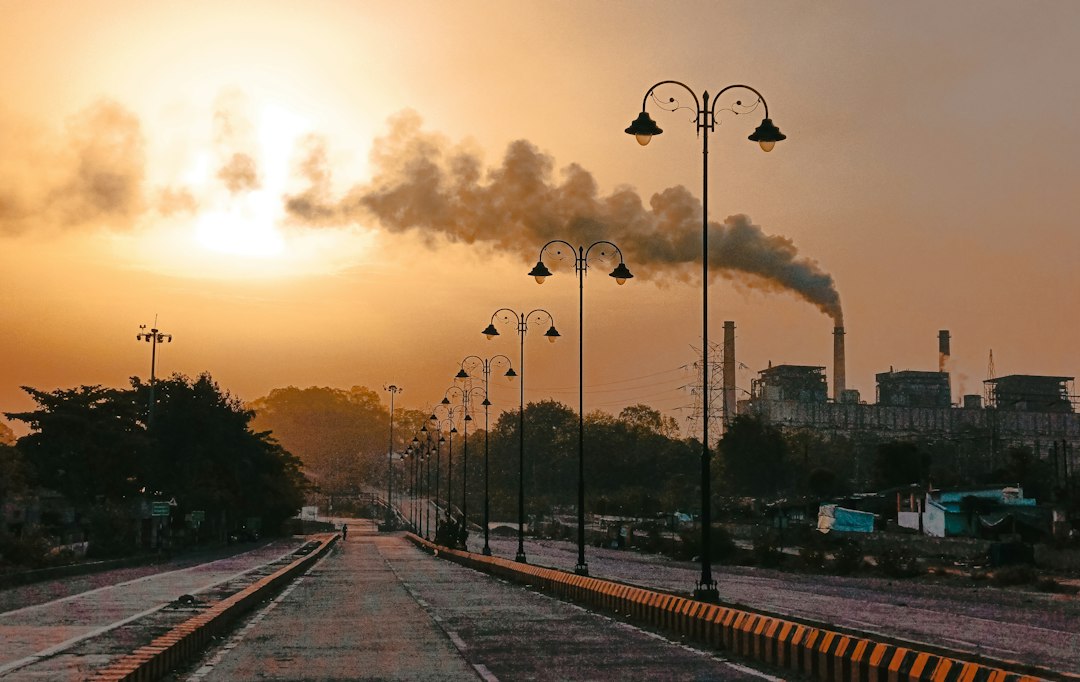
Lung health in the post-pandemic period is also influenced by factors that have little to do with infection itself. Air pollution remains a significant respiratory concern, particularly for older adults and people who already have asthma, COPD or other lung conditions.
Fine particulate matter such as PM2.5, along with pollutants including nitrogen dioxide, can penetrate deep into the respiratory system. Repeated exposure may irritate the airways and contribute to inflammation, while people with existing respiratory disease may be more vulnerable to its effects.
Why Can The Airways Remain Sensitive After Flu Recovery?
Much like COVID recoverhe end of fever or body aches does not always mean that the respiratory system has immediately returned to normal. Dr Ankit Kumar Sinha, Senior Consultant & Unit Head – Pulmonology, Respiratory & Sleep Medicine, Max Super Speciality Hospital, Vaishali, Ghaziabad, explains that airway inflammation can continue after the infective process has been contained.

While the fever and body aches are likely to subside if the infective process is contained, inflammation and irritation in the airways may persist for a long time. Expect high chances of mucus secretion along with temporary hyperreactivity of the air passages. Sometimes, infection may result in bronchial hyperreactivity or worsen a pre-existing condition, such as asthma. Hence, the process of recovery may not happen immediately.
Research into post-viral lung disease similarly suggests that respiratory infections can trigger inflammation and changes within the airway environment that may persist beyond the acute illness.
When Does A Lingering Cough Need Medical Attention?
A cough that gradually becomes less frequent over several weeks can occur after an upper respiratory infection. But there are situations where waiting it out may not be appropriate.
Dr Sinha says, “A cough that diminishes over a period of weeks is likely to occur after an upper respiratory infection. Although, if it lasts longer than about three weeks, becomes worse, or is associated with feelings of shortness of breath, chest pain, fever, blood in sputum, and falling oxygen levels, one should see a doctor. Also, those who have pre-existing lung diseases, older people, and those who are immunosuppressed should consult a doctor sooner.”
Similarly, Dr Agrawal cautions against assuming that a persistent cough automatically indicates ongoing infection or lung damage.
“A common misconception is that any cough that lingers after an infection means that the infection is ongoing or has harmed the lungs. This is not always the case since airways may remain inflamed or sensitized long after recovery, leading to cough. That said, persistent or worsening symptoms should never be overlooked, particularly when associated with shortness of breath, chest pain or fever,” explains Dr Agrawal.
Has The Pandemic Permanently Weakened Our Lungs?
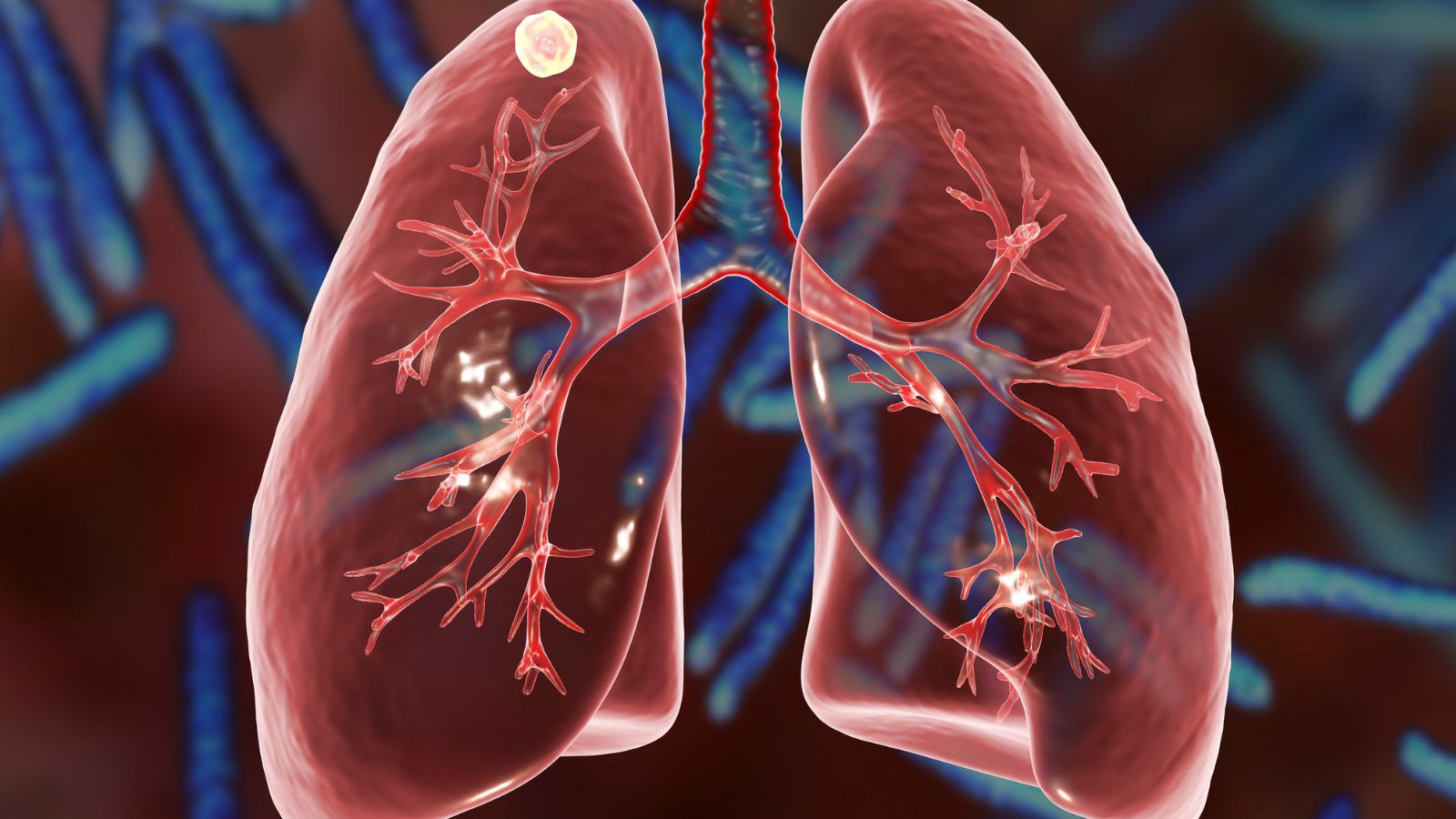
There is no basis for assuming that everyone who had a respiratory infection during or after the pandemic has permanently weakened lungs. At the same time, COVID-19 demonstrated that some respiratory infections can have effects extending beyond the initial illness. Studies have documented persistent respiratory symptoms and pulmonary complications in some people following COVID-19, particularly after severe disease.
What Can You Do to Support Lung Recovery?
Rest, hydration, avoiding irritants such as smoke and pollution, and following medical advice remain foundational. For those with pre-existing asthma, COPD or reduced immunity, early review and preventive strategies become even more important. Age also matters — lung reserve naturally declines, so recovery can take longer in older adults.
In the post-pandemic world, heightened awareness is both a strength and a source of anxiety. Most lingering respiratory symptoms settle with time. The key is knowing which ones deserve professional attention and which ones simply need patience while the airways calm down.