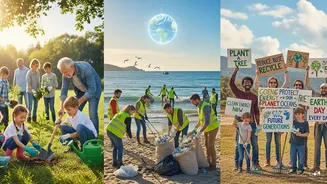







World Earth Day 2026: Earth Day, also known as International Mother Earth Day, is celebrated every year on April 22 to increase awareness about the importance of preserving our planet. The observance began
in 1970, marking a pivotal moment in the history of environmental activism.
As the world faces mounting challenges due to climate change, Earth Day has gained even greater significance, serving as a global call to action.
Earth Day 2026: History
The origins of Earth Day trace back to 1962 when Rachel Carson’s groundbreaking book Silent Spring was published. It sparked widespread concern about environmental degradation and pollution’s harmful effects on human health. The book led to increased public interest in ecological issues, eventually leading to the creation of Earth Day.
Senator Gaylord Nelson, after witnessing the devastating impact of an oil spill in 1969, took the initiative to organize a nationwide “teach-in” on environmental awareness. Inspired by student protests against the Vietnam War, Nelson aimed to create a platform that would unite people across the U.S. to raise their voices for cleaner air, water, and soil.
On April 22, 1970, Earth Day was born. More than 20 million Americans participated in the inaugural event, protesting the environmental damage caused by decades of industrial expansion. The massive movement gained national media attention, propelling environmental protection to the forefront of political discourse.
Earth Day 2026 Theme
The Earth Day 2026 theme, “Our Power, Our Planet,” focuses on the crucial role of individuals and communities in driving environmental change.
PHOTOS: Earth Day 2026: Understanding ‘Our Power, Our Planet’, And How To Act
This theme highlights the need for a global shift toward renewable energy, community-based sustainability, and collective action to tackle climate change. It is a call to empower people worldwide to make choices that protect the Earth for future generations.
Why Earth Day Matters Today
Earth Day’s relevance continues to grow in today’s climate crisis, with urgent environmental issues such as resource depletion, deforestation, and biodiversity loss dominating global discussions. The day provides an opportunity to emphasize how every action – big or small – can contribute to positive change.
Whether through tree planting, recycling, or advocating for renewable energy, Earth Day encourages individuals to get involved and take responsibility for the planet’s well-being. The movement is a reminder that collective efforts can create lasting change for a greener future.
Earth Day 2026: How You Can Actually Make a Difference
- Reduce, Reuse, and Recycle: Start by minimizing waste in your home and workplace. Opt for reusable items like water bottles, coffee cups, and shopping bags. Recycle paper, plastic, and glass wherever possible to prevent waste from ending up in landfills.
- Plant Trees: Trees are essential for absorbing CO2, providing oxygen, and supporting biodiversity. Participate in local tree-planting events or plant a tree in your backyard to contribute to reforestation efforts.
- Support Renewable Energy: If you can, choose clean energy sources for your home, like solar or wind power. You can also support policies or companies that invest in renewable energy projects to reduce reliance on fossil fuels.
- Reduce Water Consumption: Small changes in your daily routine, like fixing leaky faucets, using water-efficient appliances, or taking shorter showers, can significantly reduce water usage, helping to preserve this vital resource.
- Go Car-Free or Use Public Transport: If possible, walk, bike, or use public transportation on Earth Day to reduce your carbon footprint. Carpooling or driving electric vehicles can also lower greenhouse gas emissions.
- Advocate for Change: Use your voice to raise awareness. Sign petitions, attend local environmental events, or contact lawmakers to advocate for sustainable practices and policies that protect the environment.
- Support Eco-Friendly Brands: Choose products from companies that are committed to sustainable and ethical practices. Whether it’s clothing made from recycled materials or organic food, supporting eco-conscious businesses helps drive demand for greener products.
- Participate in Clean-up Activities: Volunteer for or organize local clean-up initiatives. Whether it’s cleaning up a beach, park, or urban space, these efforts help protect wildlife, reduce pollution, and raise awareness in the community.
- Reduce Food Waste: Only buy what you need, use leftovers creatively, and compost food scraps. Reducing food waste cuts down on methane emissions from landfills and conserves the energy, water, and resources used in food production.
- Donate to Environmental Causes: Contribute to organizations that are dedicated to protecting nature and wildlife. Whether it’s a donation of time, money, or resources, supporting these groups can help fund important conservation work.