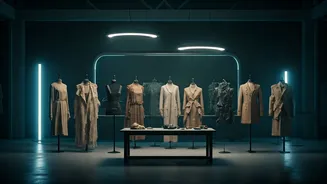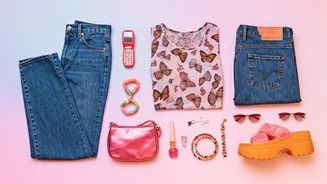




Luxury is no longer defined only by size, sparkle, or legacy. Today, it’s being shaped by feeling by mood, emotion, and the way a piece fits into everyday life. In that shift, colour has emerged as the new
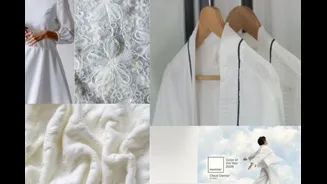
status symbol: not loud or flashy, but intentional, refined, and deeply personal. And while the fashion world has long followed seasonal palettes, jewellery is now stepping into the same conversation, thanks in large part to Pantone’s trend forecasting.
From runways to wardrobes, Pantone’s colours influence what people gravitate towards across fashion, beauty, and accessories. The impact is subtle but powerful: once a shade becomes the “it” colour of the season, it enters popular culture, social media styling, celebrity looks, and eventually, purchasing choices. Jewellery, once treated as occasion-only, is now being styled like fashion, layered, repeated, personalised, and even coordinated with seasonal tones.
As Namita Kothari, founder, Akoirah by Augmont, puts it, “Colour is becoming the new luxury because jewellery is no longer being bought only for occasions, it’s being styled like fashion: layered, repeated, and personalised. Pantone’s seasonal palettes influence what people are drawn to across fashion, beauty, and accessories, and jewellery is now very much part of that dialogue.”
Colour as a Design Language, Not Decoration
The biggest shift isn’t that jewellery is getting “more colourful.” It’s that colour is being used differently, no longer as ornamentation, but as a design language. Instead of overly bright stones that dominate an outfit, we’re seeing muted hues, tonal accents, soft-tinted gemstones, and colour moments that elevate a piece without overpowering it.
What’s driving this evolution is how people now want their jewellery to behave: it should be versatile, wearable, and expressive, something that transitions seamlessly from workwear to the weekend, from minimal looks to celebratory styling.
Kothari explains that jewellery is now being designed with restraint and intention. It’s no longer about adding colour “for impact,” but using it to enhance the mood of a piece, making it easier to style and more emotionally relevant to the wearer.
How Pantone Is Shaping Jewellery’s “Cultural Currency”
Pantone forecasting also brings something jewellery brands have traditionally avoided: trend relevance. But in the modern luxury landscape, trend relevance doesn’t mean being disposable, it means being current, collectible, and culturally tuned in.
Ricky Vasandani, CEO and co-founder, Solitario, believes Pantone plays a unique role in creating global desirability. “Pantone’s trend forecasts act as a bridge between high fashion and fine jewellery, dictating a visual language that resonates globally. When a colour is designated as a seasonal pillar, it creates immediate ‘cultural currency.’”
This is the reason jewellery design is becoming more aligned with fashion psychology. People are now buying jewellery not only for milestones, but to reflect identity, mood, and personal energy, just like they do with clothing and makeup. When colour becomes the language, luxury becomes emotional.
Pearls Are No Longer Traditional; They’re Trend-Forward
One of the most exciting changes is how classic materials are being reinterpreted through a modern lens. Pearls, for instance, have moved far beyond bridal or ceremonial styling. They’re now being worn with oversized blazers, clean monochrome looks, minimal dresses, and even street-style silhouettes.
Kothari notes, “Pearls are no longer limited to traditional or ceremonial styling; when paired with contemporary silhouettes or softened with subtle tonal accents, they feel fluid, modern, and remarkably wearable.”
In other words, pearls haven’t changed, the way we style them has. And colour plays a big role in this refreshed perception: even a subtle tonal accent can shift pearls from “traditional” to “editorial.”
Diamonds Are Getting Softer, Smarter, and More Style-First
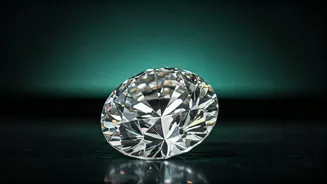
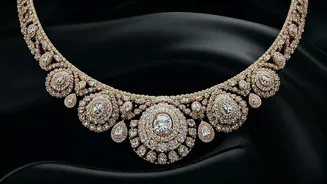
The same transformation is visible in diamond jewellery too. Consumers are moving away from statement-only pieces and leaning into minimal diamond styles that feel personal and easy. But what’s making them look fresh in 2026 is the introduction of gentle colour—hints of peach, champagne tones, icy blues, soft pinks, muted greens, and even warm yellows.
“A minimal diamond piece punctuated with a muted hue, a pearl choker layered with gentle colour, or a clean gold form enhanced by a soft-toned stone can completely change how jewellery interacts with an outfit,” says Kothari.
This is where colour becomes luxury: it doesn’t scream, it speaks. It elevates an outfit without competing with it and that makes it repeat-worthy.
The Rise of Coloured Lab-Grown Diamonds
If colour is the new luxury, lab-grown diamonds are becoming one of the most exciting spaces for that luxury to evolve, not just for their sustainability and accessibility, but because they open up a broader palette of expression.
“In lab-grown diamond jewellery, this evolution opens up even more creative flexibility,” says Kothari. “Coloured lab-grown diamonds and refined gemstone pairings allow for modern colour expression while retaining the elegance and everyday ease that fine jewellery should offer.”
This matters because modern consumers want jewellery that feels premium, but also aligns with conscious living and contemporary aesthetics. Coloured lab-grown diamonds offer the chance to play with tones that are trend-forward, while still remaining fine-jewellery appropriate.
When Hue Becomes the New “Carat”
Traditionally, jewellery prestige was measured by carat weight, clarity, and craftsmanship. Those markers still matter but colour is now adding a new layer of value. The “right” hue can feel just as exclusive as a larger stone because it captures the moment.
Vasandani highlights this shift, saying, “We are seeing a move toward ‘The New Luxury,’ where the rarity of a specific hue becomes as prestigious as the carat weight itself.”
Whether it’s the velvet warmth of peach tones, the bold energy of magentas, or the calming elegance of blues, colour is becoming the new differentiator in fine jewellery. It creates collectability, styling uniqueness, and emotional resonance, all of which define modern luxury.
Jewellery That Matches Your Mood (Not Just Your Outfit)
Perhaps the biggest reason colour is influencing jewellery now is that people are choosing pieces that feel like them. Jewellery today is not only about “matching a look,” but reflecting an inner feeling confident, soft, bold, romantic, grounded, playful.
As Vasandani puts it, “Luxury today is defined by the ability to evoke a mood.” And that’s exactly why Pantone’s influence makes sense in the jewellery space. Pantone doesn’t just predict colour, it predicts cultural emotion. Jewellery brands adopting this mindset aren’t creating seasonal gimmicks; they’re creating wearable expressions of the times we live in.
The Future of Luxury Is Personal, Effortless, and Repeat-Worthy
The new era of luxury isn’t loud. It’s thoughtful. It’s pieces that can be worn repeatedly, styled differently, and still feel elevated. Colour fits into that future perfectly because it adds meaning without adding heaviness.
Kothari sums it up best, “Ultimately, modern luxury today is about pieces that feel personal and effortless, jewellery that can move from workwear to celebrations without ever feeling overpowering.”
Because in a world where expression matters more than excess, colour isn’t just a trend, it’s the new signature.