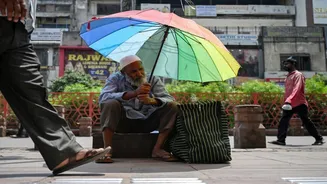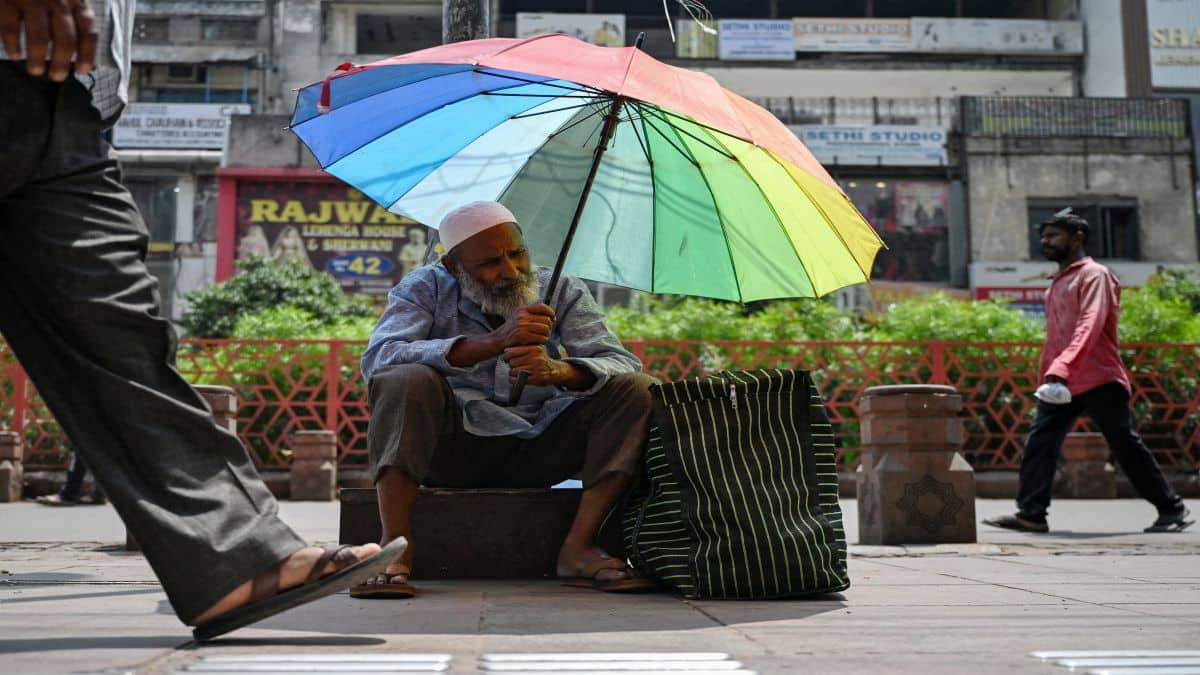








As temperatures continue to rise across India, prolonged exposure to extreme heat is becoming a serious public health concern, particularly for people working outdoors for long hours. From delivery personnel
and drivers to construction workers and sanitation staff, millions face an increased risk of dehydration, heat exhaustion and other heat-related illnesses during the summer months. Health experts warn that without proper hydration, cooling breaks and preventive care, constant heat stress can significantly impact the body and even lead to medical emergencies.
Dr Mayanka Lodha Seth, Chief Pathologist at Redcliffe Labs, says the rising temperatures across Indian cities pose serious health risks, especially for gig workers, delivery personnel, drivers, construction workers, sanitation staff and others who spend extended hours outdoors.
“One of the first consequences of the body remaining under constant heat stress is dehydration, as excessive sweating significantly increases fluid and electrolyte loss,” explains Dr Mayanka Lodha Seth.
According to Dr Seth, early symptoms often include headaches, dizziness, muscle cramps, fatigue, dry mouth and reduced urination. “If these warning signs are not addressed promptly, they can gradually progress into heat exhaustion,” she adds.
Dr Mayanka Lodha Seth points out that outdoor workers are particularly vulnerable because the nature of their jobs often requires them to continue working during intense afternoon heat, frequently with inadequate hydration and insufficient cooling or rest breaks.
“This is where preventive measures become extremely important,” says Dr Seth. She advises maintaining a steady fluid intake rather than drinking water only when feeling thirsty. “For individuals working outdoors for prolonged periods, ORS or electrolyte-replenishing drinks are strongly recommended,” she notes.
Dr Seth also recommends wearing loose, light-coloured cotton clothing and avoiding direct sunlight during peak afternoon hours whenever possible. “Taking a short break every one to two hours to cool down and rest for at least ten minutes can significantly reduce the risk of heat-related illnesses,” she explains.
At the same time, Dr Mayanka Lodha Seth stresses that employers also have a critical role to play in protecting outdoor workers. “Organisations should actively promote staggered work shifts and provide shaded rest areas with proper ventilation and access to clean drinking water,” she says.
Dr Seth further explains that several diagnostic tests can help assess the impact of dehydration and heat exhaustion on the body. “Serum sodium and potassium tests can indicate electrolyte imbalances caused by excessive sweating, while serum creatinine and renal function tests help evaluate kidney stress resulting from prolonged dehydration,” she says.
According to Dr Mayanka Lodha Seth, a complete blood count (CBC) may help identify hemoconcentration or underlying infections, while blood glucose testing can rule out metabolic conditions. “Urine specific gravity is another important indicator used to assess hydration levels,” she adds.
Dr Seth cautions that immediate medical attention is necessary if a person becomes unconscious or experiences symptoms such as chest pain, nausea, vomiting or extremely high body temperature.
“Protecting outdoor workers from the dangerous effects of heat exhaustion must now be viewed not only as an individual responsibility but also as an urgent public health priority,” concludes Dr Mayanka Lodha Seth.