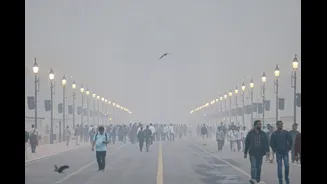







As winter approaches in many regions of India, dense smog laden with pollutants becomes increasingly common. While air pollution affects everyone, its impact is particularly severe for individuals with Interstitial
Lung Diseases (ILDs), a group of chronic conditions characterised by inflammation and scarring (fibrosis) of lung tissue. For these patients, winter air can significantly worsen symptoms, accelerate disease progression, and increase the risk of serious complications.
Dr Abhijeet Singh, Senior Consultant, Respiratory Medicine, ShardaCare Healthcity, explains what you need to know.
Why Winter Smog Is Harmful
During winter, atmospheric conditions such as low wind speed and temperature inversion trap pollutants close to the ground. Levels of particulate matter, nitrogen dioxide, sulphur dioxide, and other toxic gases rise sharply due to vehicular emissions, industrial activities, construction dust, and crop-residue burning. These fine particles can penetrate deep into the lungs, reaching the alveoli and interstitial tissue, areas already compromised in patients with ILDs.
Exacerbation of Symptoms
Exposure to polluted winter air can lead to a noticeable worsening of symptoms in ILD patients:
Increased breathlessness due to impaired oxygen exchange
Worsening of chronic cough and chest tightness
Lung inflammation caused by particulate matter
Heightened fatigue, limiting daily activities
Reduced exercise tolerance, even with minimal exertion
Pollution’s Dual Threat to ILD Patients
Air pollution poses a dual threat to individuals with ILDs. One of the most serious risks is the increased likelihood of acute exacerbations, sudden and severe worsening of respiratory symptoms accompanied by a rapid decline in lung function. Studies have shown that higher pollution levels are associated with increased hospitalisations for ILD exacerbations, which can be life-threatening and cause permanent lung damage.
In addition, long-term exposure to polluted air can accelerate lung fibrosis. Persistent inflammation promotes scarring, hastening the decline in lung capacity. In progressive fibrotic ILDs, such as idiopathic pulmonary fibrosis, repeated exacerbations and accelerated fibrosis shorten periods of disease stability and significantly worsen patient outcomes.
Higher Susceptibility to Infections
Winter pollution often coincides with a rise in respiratory infections. Pollutants weaken the lung’s natural defence mechanisms, making ILD patients more vulnerable to viral and bacterial infections. Even mild respiratory infections can trigger severe illness or lead to disease exacerbations in this population.
Protective Measures for ILD Patients
While complete avoidance of pollution is not possible, several steps can help reduce risk:
Monitor daily air quality index (AQI) levels
Avoid outdoor exposure during peak pollution hours
Wear N95 masks when stepping outside
Improve indoor air quality using air purifiers and proper ventilation
Avoid indoor pollutants such as smoke and incense
Adhere strictly to prescribed medications
Stay up to date with recommended vaccinations
Consult a pulmonologist promptly if symptoms worsen
Winter smog is not merely an environmental nuisance, it poses a serious health threat to people living with Interstitial Lung Diseases. Awareness, preventive measures, and timely medical intervention are crucial in minimising its impact. As air pollution continues to worsen, protecting vulnerable populations such as ILD patients must remain a priority for individuals, healthcare systems, and policymakers alike.