
For decades, women’s nutrition has revolved around calorie control rather than nourishment. Carbohydrates dominate most Indian plates, fats are cautiously moderated, and protein – despite being foundational
to strength, metabolism, and long-term health – often remains an afterthought. As women juggle demanding workdays, hormonal shifts, fitness goals, and ageing bodies, protein intake is no longer just a dietary detail; it is a health priority that directly influences how strong, resilient, and energetic they feel over time.
Why Protein Deserves Centre Stage
“Protein for women is more important today than ever, especially in the Indian context,” says Mitushi Ajmera, Nutritionist and Senior Master Fitness Trainer, pointing out that traditional diets tend to be carbohydrate- and fat-heavy while protein intake remains chronically low. She stresses that improving protein intake does not require extreme diets or imported superfoods – just awareness and consistency.
Protein’s role extends far beyond muscle building or weight loss. “Protein is the primary nutrient responsible for preserving muscle mass,” Ajmera explains. Women naturally have lower bone density and lean muscle compared to men, and prolonged low protein intake quietly accelerates muscle loss. Over time, this can increase the risk of weakness, injuries, and metabolic slowdown, contributing to age-related sarcopenia.
Beyond Muscles: What Protein Really Does
Adequate protein intake supports several essential bodily functions. It plays a key role in blood sugar stability by reducing sharp glucose spikes and crashes, making energy levels more consistent throughout the day. Protein is also deeply tied to hormonal health, particularly during perimenopause and menopause, when fluctuating hormones affect muscle mass, metabolism, and recovery.
“Protein supports recovery and immunity by helping the body repair daily wear and tear,” she notes. It also improves satiety, making appetite regulation easier and reducing reliance on constant snacking. Another often-overlooked benefit is skin and connective tissue health. “Collagen is a protein,” Ajmera highlights, adding that healthy skin, hair, and joints depend on sufficient dietary protein at every age.
How Much Protein Do Women Actually Need?
While the Recommended Dietary Allowance suggests 0.8–1 gram per kilogram of body weight for sedentary women, Ajmera believes this is often the bare minimum to prevent deficiency, not to optimise health.
She recommends a more functional approach:
- Sedentary women: at least 1 g/kg
- Regular exercisers or perimenopausal women: 1–1.2 g/kg
- Strength training, fat loss, menopause: 1.2–1.6 g/kg
For a 60 kg woman, that means a minimum of 60 grams per day, with higher needs depending on activity and life stage.
Why Timing And Distribution Matter
“Distribution matters as much as total intake,” says Ajmera. Protein works best when spread evenly across the day rather than concentrated in one meal. Splitting intake across three to four meals or snacks supports muscle protein synthesis and metabolic health.
A protein-rich breakfast is particularly impactful. Ajmera explains that consuming 20–30 grams of protein in the morning increases diet-induced thermogenesis and helps with better appetite control throughout the day.
Making Protein Practical – No Matter Your Diet
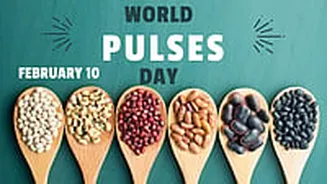
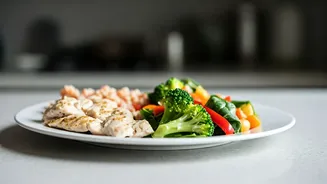
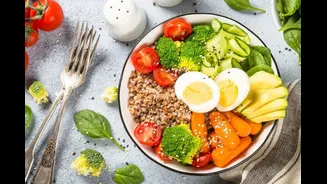
Protein can be accessible across dietary preferences. Vegans can rely on dals, lentils, pulses combined with grains, along with soy products like tofu, tempeh, and soya chunks. Vegetarians can include milk, curd, and paneer, while ovo-vegetarians benefit from whole eggs and egg whites. Non-vegetarians can add fish, chicken, and lean meats for high-quality protein.
Ajmera adds an important caveat: “As protein intake increases, fibre and water intake must increase too.” Since animal proteins contain no fibre, gut health depends on balancing protein with vegetables, whole grains, and adequate hydration.
The Balanced Plate Still Wins
Higher protein does not mean eliminating carbohydrates. A sustainable plate, Ajmera advises, still includes roughly 50 per cent carbohydrates, 25 per cent protein, and 25 per cent fats. This balance supports hormones, training, recovery, and long-term health without turning food into a daily struggle.
Protein isn’t about extremes or perfection. For women, it is about preservation, strength, and consistency over time. By prioritising adequate intake, distributing it smartly across meals, and balancing it with fibre-rich foods and hydration, women can build a stronger foundation for health that supports them through every life stage.