
How to Check Silver Purity? Whether silver is purchased as an investment, a wedding gift or for everyday wear, purity often matters more than price alone. Many buyers, however, realise too late that what
appeared to be a bargain was actually low-grade or even silver-plated. Understanding silver grades — and knowing how to verify them — can help consumers avoid disappointment and make confident, informed purchases.
What does the “grade of silver” actually mean?
The grade of silver refers to the proportion of pure silver present in an item. Since pure silver is naturally soft, it is typically alloyed with small amounts of other metals, most commonly copper, to improve strength and durability.
Silver purity is measured in parts per thousand. Marks such as 999 or 925 indicate how much of the metal is genuine silver — the higher the number, the purer the silver.
Which silver grades are most common in India?
Several grades are available in the Indian market, each serving different purposes.
999 Fine Silver
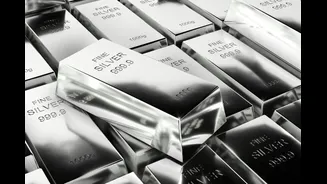
Often referred to as pure silver, this grade contains 99.9% silver. It is soft and highly lustrous, making it ideal for bars, coins, silverware and religious items, but less suitable for daily jewellery due to its softness.
Best for: Investment, gifting, silverware, religious use
Purity: 99.9%
925 Sterling Silver
The most commonly used grade for jewellery, sterling silver contains 92.5% silver and 7.5% other metals, usually copper. This blend offers durability without compromising shine.
Best for: Jewellery and accessories
Purity: 92.5%
958 Silver (Britannia Silver)
Containing 95.8% silver, this grade sits between fine silver and sterling silver. Originating in England, it is softer than sterling and relatively uncommon in India.
Best for: Select jewellery and silverware
Purity: 95.8%
900 Coin Silver
With 90% silver content, this alloy was traditionally made by melting coins. It is durable but tarnishes more easily and appears duller than higher grades.
Best for: Vintage jewellery and antiques
Purity: 90%
800–850 Silver
Often referred to as continental or European silver, these grades contain 80–85% silver. They reflect traditional craftsmanship but are rare in the Indian market.
Best for: Heritage and European-style items
Purity: 80–85%
Why does silver purity matter so much?
Without verifying purity, buyers risk overpaying for inferior quality or unknowingly purchasing silver-plated items. Understanding silver grades helps consumers:
- Get fair value for money
- Avoid counterfeits and plated substitutes
- Buy confidently for investment or gifting
- Make informed comparisons between sellers
How can you check silver purity before buying?
Visual inspection is the first step. Authentic silver items usually carry purity stamps such as 999, 925 or 800, often on the underside or clasp.
Many pieces may also include:
- Hallmarks such as “925” (sterling) or “999” (fine silver)
- Assayer’s marks indicating certification
- Maker’s marks identifying the manufacturer
- Date codes that help trace origin and quality
If these markings are missing, buyers should ask questions before purchasing.
Are there simple home tests for silver?
While laboratory testing is the most accurate, a few basic checks can be done at home:
- Magnet test: Real silver is not magnetic. If it sticks, it likely contains iron or nickel.
- Ice test: Silver conducts heat extremely well, so ice placed on real silver melts faster.
- Tarnish test: Genuine silver oxidises over time and may leave dark marks when wiped.
For complete certainty, jewellers can conduct acid tests, density checks or XRF analysis.
How is silver-plated different from real silver?
Silver-plated items are made from base metals coated with a thin layer of silver. While they are cheaper and suitable for decorative purposes, the silver layer wears off over time and offers little long-term value compared with solid silver.
Buyers seeking durability or investment value should always opt for solid silver with a verified grade.
What should buyers remember before purchasing silver?
A few simple habits can prevent costly mistakes:
- Buy only from trusted sellers
- Always check purity stamps
- Ask for certification where available
- Compare weight and price logically
Why being informed makes all the difference
Silver is more than just a metal — it carries cultural, emotional and financial value. Whether it’s a Diwali coin, a wedding gift or a daily-wear bracelet, knowing the difference between 999, 925 and 958 ensures that what you buy truly matches what you pay for.
The next time a deal seems too good to be true, ask one simple question: what’s the purity? That single detail can make all the difference.