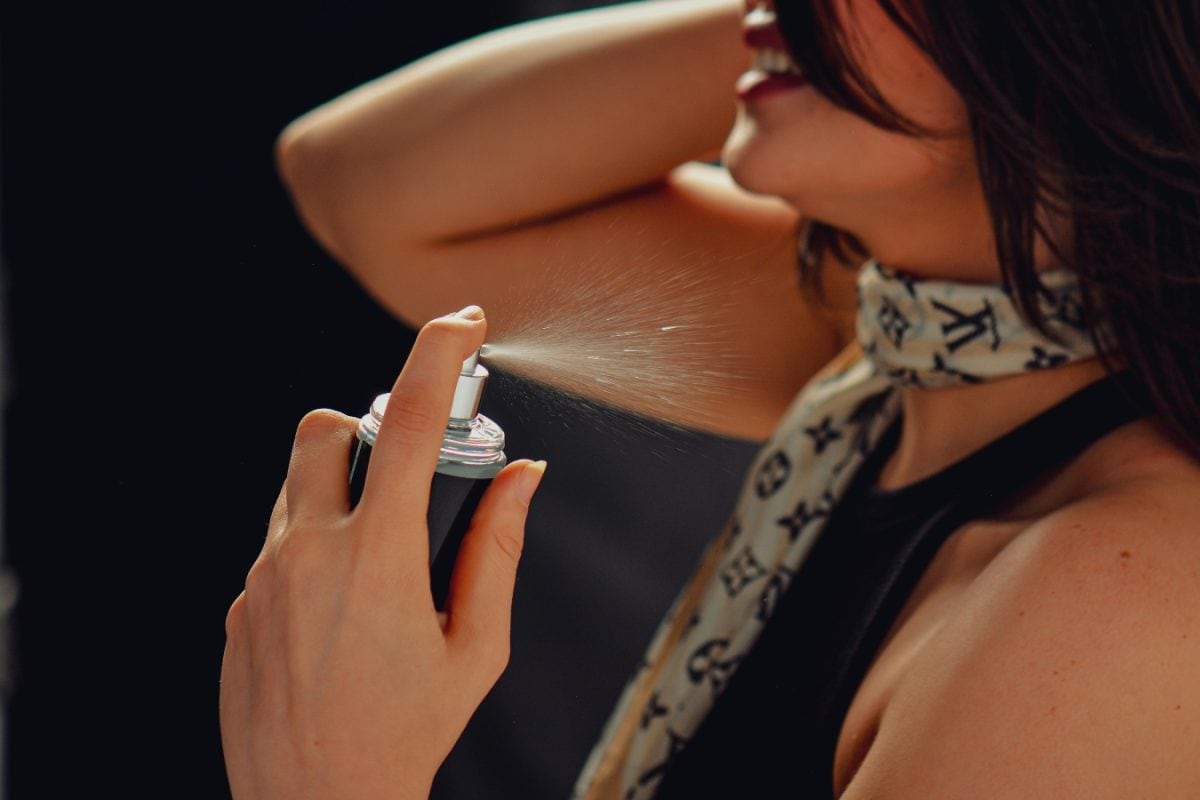

Scent layering has emerged as one of the most exciting beauty shifts among young Indians, redefining how they experience and express fragrance. Instead of sticking to a single, fixed perfume, Gen Z and young millennials
are now blending two or more scents to create personalised “fragrance playlists” that match their moods, schedules, and identities.
College students lean into it as an easy form of experimentation, something fresh for morning classes, and something deeper for evenings out, while young professionals use it to craft a signature aroma that helps them stand out socially and even professionally. What began as a niche passion among perfume enthusiasts has grown into a cultural movement driven by individuality and creative self-expression.
Abdullah Ajmal, CEO Ajmal Group, says, “This shift is part of a larger pattern of hyper-personalisation embraced by India’s youth. Just as their music, skincare, shopping feeds, and aesthetics are customised, their fragrances too have become deeply personal. Social media has fuelled this transformation, with influencers breaking down the art of fragrance cocktails through reels and tutorials.”
Layering has gone from a specialist’s trick to a mainstream beauty ritual because it gives depth, improves longevity, which is especially important in India’s warm and humid climate, and ensures that no two people smell alike. It allows young Indians to build a scent that feels as unique as their personality, something that a single commercial perfume cannot entirely achieve.
The appeal also lies in how practical and economical the technique is. Lighter perfumes that are popular in India tend to fade quickly, but when they are paired with richer notes like amber, vanilla, or woody accords, the overall scent lingers far longer. This approach also offers a cost-effective alternative to luxury niche fragrances. Instead of buying an expensive new perfume, people are reinventing the ones they already own by layering complementary scents.
Abdullah Ajmal says, “Much like curating a skincare routine or picking a playlist, choosing a scent combination becomes a mindful act of self-care, mood-setting, and personal storytelling.”
While the magic of layering comes from experimentation, young Indians often gravitate towards combinations that feel intuitive and culturally resonant. Vanilla adds warmth to nearly anything it touches, citrus and floral blends create the perfect summer-friendly brightness, woods help florals last through long days, musks polish fruity notes into something soft and contemporary, and spices paired with amber create the kind of evening richness that feels festive and distinctly Indian. Even aquatic fragrances long-time favourites for their freshness, are being elevated with gentle woody bases to add character and staying power.
Abdullah Ajmal shares, “As the trend accelerates, fragrance brands are evolving too. Many Indian and international labels are launching layering-friendly collections designed to be mixed and matched with ease. These modular perfumes, often accompanied by pairing suggestions, have made the practice accessible to beginners and popular as gifting options.” The rise of such collections signals a broader shift: perfumes are no longer seen as fixed luxury items but as creative tools meant to be played with. For a generation that values customisation over convention, this fluid, mix-and-match approach feels natural.
In the end, the rise of scent layering reflects a deeper cultural transformation. Young Indians are no longer passive consumers of fragrance; they are active creators of their aromatic identity. Layering gives them a quiet yet powerful form of expression, one that is invisible to the eye but deeply memorable to the senses. Much like the playlists that soundtrack their lives, their scent blends are personal, dynamic, and ever-evolving. What started as a beauty trend has become a ritual of creativity, individuality, and modern Indian identity.