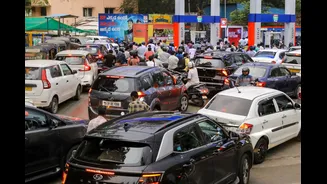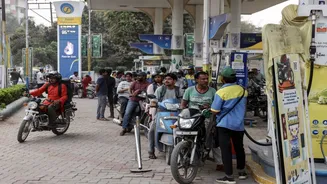





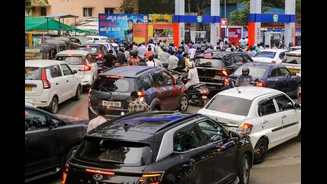
TGIF? Not really. Just as Indians were gearing up for the weekend, fuel prices got an upward revision on Friday, adding fresh pressure on daily travel and household expenses. While the fuel price hike
may feel like a Friday shocker, the warning signs had been there for weeks, with rising global crude prices and growing cost pressures pointing toward an inevitable increase.
The government has increased the prices of petrol and diesel by around Rs 3 per litre. Petrol became costlier by Rs 3.14 per litre, reaching up to Rs 97.77, while diesel has risen by Rs 3.11 per litre to Rs 90.67.
When petrol prices rise, commuters feel the pain immediately at fuel stations. But when diesel prices rise, the impact spreads far beyond vehicle owners into kitchens, farms, factories, markets and eventually inflation data itself.
ALSO READ | As Petrol, Diesel And CNG Prices Rise, Could Jet Fuel Be Next?
That’s because diesel is the backbone fuel of India’s economy. Trucks carrying vegetables, buses transporting workers, tractors in farms, generators powering businesses and logistics networks moving goods across the country largely run on diesel.
So, while petrol is mostly a consumer fuel, diesel is a production-and-transport fuel. And that difference makes it far more important for inflation.
The Basic Difference
Petrol is used primarily by private cars, motorcycles, and scooters. It mostly affects household disposable income and urban commuting costs. However, diesel is used by trucks, buses, tractors, agricultural pumps, industrial generators, construction machinery, and logistics fleets. Hiking the diesel price raises the cost of transporting and producing goods across the economy. That’s why economists often watch diesel prices more carefully than petrol when assessing inflation risks.
Why Diesel Has An Outsized Impact In India
India’s economy is heavily dependent on road transport.
ALSO READ | After Petrol-Diesel Hike, CNG Prices Go Up By Rs 2 As Hormuz Blockade Continues
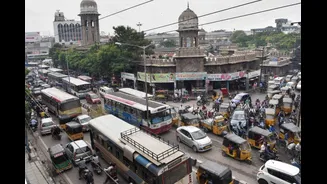
A massive share of freight movement, from vegetables and milk to cement and medicines, happens via diesel-powered trucks. Unlike countries with large rail-based cargo systems, India still relies significantly on highways for supply chains. So, when diesel becomes expensive, transport costs rise almost immediately.
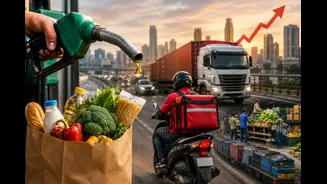
That extra cost eventually gets added to food prices, delivery charges, construction costs, manufacturing, and retail goods. This is why diesel inflation often becomes “general inflation”.
Prime Minister Narendra Modi, pushing for austerity measures in his Sunday speech, had also advocated for railway-based cargo transport to reduce fuel consumption and save forex.
The Inflation Chain Reaction
A diesel price hike creates a cascading effect across sectors.
To start with, transport becomes costlier. Truck operators spend a large share of operating costs on diesel. When diesel prices rise, freight companies raise rates, logistics costs increase, and distributors pay more to move goods. This affects everything from wholesale markets to online shopping deliveries.
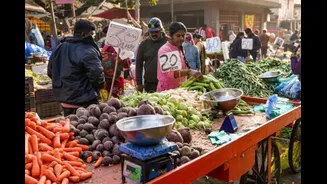
Next in line is food inflation. Diesel is deeply linked to agriculture. Farmers use diesel for tractors, irrigation pumps, harvest equipment, and transportation to mandis. So rising diesel prices increase farming costs even before produce reaches consumers. Vegetables, fruits, grains and milk then become more expensive to transport to cities. That is why food inflation in India is extremely sensitive to diesel prices.
What also gets affected is retail prices, which will quietly rise everywhere. Many consumers do not immediately notice diesel inflation because it rarely appears as one dramatic price jump. Instead, it spreads slowly as bus fares increase, auto and cab prices rise, courier fees go up, FMCG companies raise prices, restaurants adjust menu costs, and e-commerce platforms add delivery charges.
ALSO READ | Petrol Above Rs 110! Check India’s Most Expensive Cities For Fuel After Latest Hike
Even products with no obvious connection to fuel become costlier because transport is embedded in nearly every supply chain.
A petrol hike mainly affects urban commuters, middle-class households, and personal transport budgets. However, a diesel hike affects production, logistics, agriculture, retail distribution, public transport, and industrial activity. That makes diesel a systemic inflation trigger.
Put simply, petrol inflation = consumer pain
But diesel inflation = economy-wide cost escalation
Why Diesel Inflation Is Hard To Control
Once diesel costs rise significantly, trucking contracts are revised, companies adjust supply chain pricing, retailers pass on costs, and inflation expectations rise. And once businesses increase prices, they rarely reduce them quickly even if fuel later becomes cheaper.
That is one reason fuel-driven inflation can linger.
The Rural Impact Is Bigger Than Urban India Realises
Diesel inflation disproportionately affects rural India because farming is diesel-intensive, rural transport networks depend heavily on diesel vehicles, and electricity shortages often force diesel generator use.
So, a diesel hike can increase irrigation costs, crop production costs, and rural transport expenses. This can reduce farmer margins while simultaneously increasing food prices for consumers.
The Global Connection
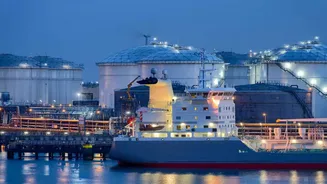
Diesel prices in India are also vulnerable to global events such as the wars in West Asia, crude oil spikes, shipping disruptions—especially in the Strait of Hormuz—refinery bottlenecks, and currency depreciation.
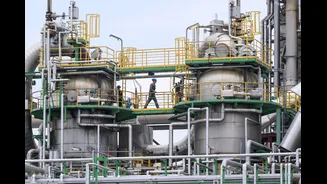
Even if India buys discounted crude from countries like Russia, retail diesel prices can still rise because refining costs increase, insurance and freight costs rise, oil marketing companies absorb temporary losses, and taxes remain significant.
Why Economists Watch Diesel Closely
Central banks and economists monitor diesel prices because they influence wholesale inflation, food inflation, transport inflation, manufacturing costs, and consumer inflation expectations.
A sustained diesel spike can eventually force higher interest rates, tighter monetary policy, government intervention, and subsidy discussions.