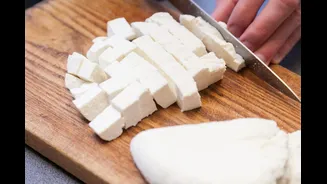





Soft, fresh and protein-rich paneer is a staple in many Indian kitchens, but with rising concerns over adulteration in store-bought products, more people are now choosing to make it at home. But how much
milk does it actually take to make 1 kg of paneer, and which type of milk gives the softest, creamiest results? Here’s everything you need to know before making homemade paneer.
How Much Milk Is Needed For 1 Kg Paneer?
According to dairy experts, around 200 grams of paneer can be made from 1 litre of good-quality milk. This means you generally need about 5 to 6 litres of milk to prepare 1 kg of paneer.
Milk with higher fat content, such as full-cream or buffalo milk, produces softer and slightly more paneer. On the other hand, toned or low-fat milk gives a lower yield and a firmer texture. Thin or adulterated milk can also affect the quality and taste of paneer.
This is one reason why good-quality paneer in the market is often expensive, as large quantities of milk are needed to make it.
Which Milk Is Best For Making Paneer?
Buffalo milk: Produces creamy, soft and high-yield paneer
Full-cream cow milk: Gives soft and balanced-texture paneer
Toned milk: Makes firmer paneer with a lower quantity
Fresh milk: Always works better than stale or diluted milk
For soft and rich homemade paneer, full-cream milk is usually considered the best option.
Step-By-Step Homemade Paneer Recipe
Step 1: Pour the milk into a large pan and bring it to a boil while stirring occasionally.
Step 2: Once the milk starts boiling, add lemon juice or vinegar slowly. The milk will begin to curdle and separate into chhena (the solid part) and water.
Step 3: Place a clean muslin cloth or cotton cloth over a strainer and pour the mixture through it to separate the solids.
Step 4: Wash the chhena with cold water to remove the sour taste of lemon or vinegar.
Step 5: Tie the cloth tightly and keep a heavy object on top for a few hours so the excess water drains out and the paneer sets properly.
Homemade paneer is fresh, chemical-free and free from adulteration. You can control the softness, texture and even the salt content according to your preference.