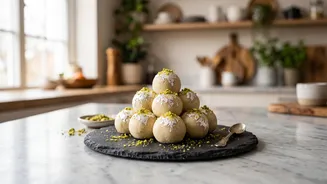






Few things can compete with the joy of biting into a freshly made besan ladoo. That beautiful roasted aroma, the richness of ghee, the hint of cardamom and that soft, melt-in-your-mouth texture make this
humble Indian mithai an all-time favourite. Whether you are making a festive batch, preparing something sweet for unexpected guests or simply indulging your mithai cravings, besan ladoos are one of those treats that never go out of style.
But getting them right is a different story altogether. While some turn out beautifully soft and crumbly, others become so hard that you might need more than a little determination to get through a bite! And before you blame the recipe or your cooking skills, know that a few seemingly harmless kitchen mistakes could be responsible.
Here are five common mistakes that could be making your besan ladoos harder than they should be.
1. Roasting Besan On High Heat
If you think turning up the flame will help you roast besan faster, think again. This is one of the biggest mistakes that can ruin your ladoos. Besan needs to be roasted patiently over a low to medium-low flame so that it cooks evenly and develops its signature nutty aroma.
High heat can cause the flour to brown too quickly on the outside while remaining undercooked inside. It can also make the mixture dry, affecting the final texture.
The fix: Roast the besan in ghee over a low flame, stirring continuously to prevent lumps and uneven cooking. It should turn golden, release a rich roasted aroma and develop a slightly loose, glossy consistency.
2. Adding Too Little Ghee
Besan and ghee are practically best friends when it comes to making ladoos. Skimping on ghee might seem like a good idea if you are trying to make a lighter version, but too little of it can leave the mixture dry and difficult to shape.
Ghee is what gives besan ladoos their richness and helps bind the roasted flour into soft, delicious rounds. Without enough of it, your ladoos may turn crumbly or hard once they cool.
The fix: For approximately two cups of besan, start with half a cup of ghee. Add it gradually while roasting, depending on the consistency of the flour. The mixture should look moist and hold together when pressed between your fingers.
3. Over-Roasting The Besan
There is a fine line between perfectly roasted besan and overdone besan. While under-roasting leaves behind a raw, unpleasant taste, over-roasting can make the mixture excessively dry and give your ladoos a bitter aftertaste.
Remember, the flour continues to retain heat even after you switch off the gas. So, letting it roast for a few extra minutes just to achieve a deeper colour is not necessarily a good idea.
The fix: Keep stirring and pay attention to the aroma rather than relying only on colour. Once the besan turns golden, smells nutty and has a smooth consistency, take it off the heat. Transfer it to another bowl if needed to prevent residual heat from continuing the cooking process.
4. Adding Sugar While The Mixture Is Still Hot
This is where many home cooks go wrong. Adding powdered sugar straight into piping-hot roasted besan can affect the consistency of the mixture. The sugar may melt, making the mixture sticky or greasy rather than giving you the soft, grainy texture you want.
The fix: Allow the roasted besan and ghee mixture to cool until it is warm to the touch before adding powdered sugar. Mix thoroughly so that the sweetness is evenly distributed. A little patience here goes a long way!
5. Pressing The Ladoos Too Hard While Shaping
You have got the roasting right, the ghee quantity is perfect and the sugar has blended beautifully. Don’t ruin things at the final step by squeezing the mixture too tightly!
Pressing the mixture too hard while shaping can make the ladoos dense and compact, taking away that delicate, crumbly texture that makes them so irresistible.
The fix: Grease your palms lightly with ghee and roll small portions of the mixture gently between your hands. Apply just enough pressure to help the ladoos hold their shape. Let them cool completely before storing.
How To Make Soft Besan Ladoos In 20 Minutes
If you want to get straight to the delicious part, here is a quick recipe to try at home.
Ingredients:
- 2 cups besan (gram flour)
- ½ cup ghee
- ¾ cup powdered sugar (adjust to taste)
- ½ teaspoon cardamom powder
- 2 tablespoons chopped almonds and cashews
- A few raisins (optional)
Method:
Heat ghee in a heavy-bottomed pan over a low flame and add the besan. Mix well to ensure there are no lumps and begin roasting, stirring continuously. This is where a little patience goes a long way. Roast the besan for approximately 12–15 minutes until it turns a beautiful golden colour, releases a nutty aroma and develops a smooth, slightly glossy consistency. Add the cardamom powder and chopped nuts, mix well and switch off the flame.
Allow the mixture to cool until it is warm to the touch. Add powdered sugar and mix thoroughly until everything comes together. Take small portions of the mixture and gently roll them between your palms to shape into round ladoos. Let them cool completely before storing them in an airtight container. And just like that, you have a batch of delicious homemade besan ladoos ready to steal the show!
And there you have it! Soft, aromatic besan ladoos without spending hours in the kitchen. The trick is simple: roast patiently, use enough ghee and resist the temptation to rush the cooling process. Your ladoos should be soft and crumbly enough to melt in your mouth!