






Fasting foods have long been associated with simplicity: limited ingredients, minimal spices, and a clear focus on Satvik eating. But as lifestyles shift and time becomes increasingly scarce, even the
most tradition-bound culinary practices are being reinterpreted. Today, vrat foods are no longer confined to home kitchens or predictable preparations. They are evolving into a more flexible, design-led category that balances nourishment, convenience, and visual appeal without losing its cultural core.
This transformation is being shaped by both industry and individual innovation. “The traditional ways of preparing food for the Hindu month of ‘Vrat’ have drastically changed,” says Praveen Singh, Founder, Snackzin. He notes that ingredients like kuttu, singhara, and sabudana are now being used in lighter, more contemporary formats. Echoing this shift, Mordhwaj Singh Chandrawat, Chef & Food Influencer at Belle Patisserie, Delhi, adds, “Vrat cuisine has become more varied than ever with the introduction of new techniques and creative expressions.”
From Ritual To Routine
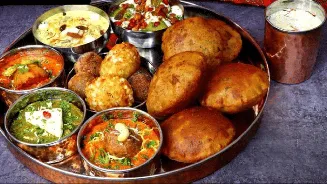
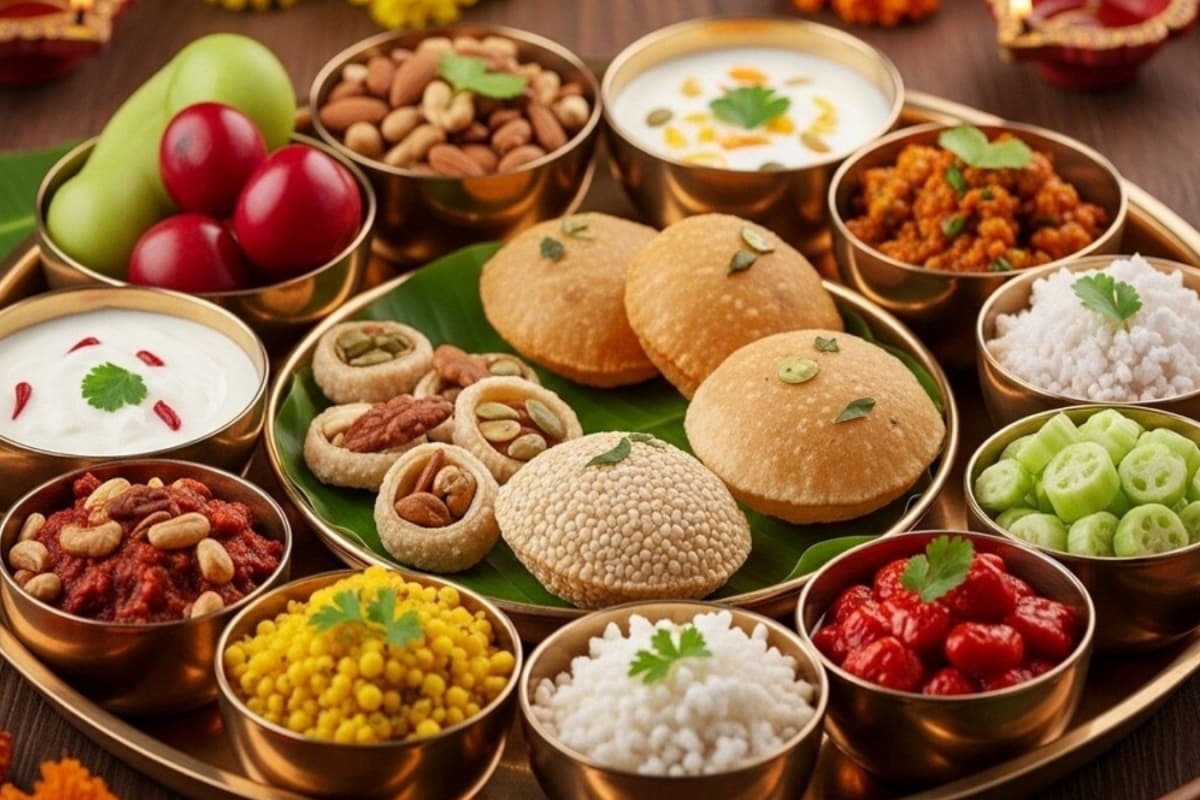
At its core, vrat food has always been about discipline and balance. Ingredients such as kuttu (buckwheat), singhara (water chestnut), samak rice, and sabudana are naturally gluten-free, easy to digest, and nutrient-dense. Historically, they were consumed in simple forms, often dictated by ritual.
Today, however, these ingredients are being reframed to suit everyday consumption patterns. “The current style of usage has been changing to more modern trends, with lighter and more sophisticated applications,” notes Singh. This includes everything from baked snacks to air-fried variations and plated meals that feel closer to café-style dining than traditional fasting fare.
The Rise Of Convenience-Driven Vrat Menus
One of the most visible shifts is the entry of vrat foods into the quick-service restaurant space. Curated fasting menus are now being designed with consistency, presentation, and speed in mind – reflecting the needs of urban consumers.
Singh points out that convenience, aesthetics, and consistency are driving this change, especially for those constantly on the move. These menus not only simplify access but also reshape perception by turning vrat food into something aspirational rather than restrictive.
Texture, Technique, And New-Age Appeal
For younger consumers, taste alone is no longer enough. “Consumers are beginning to explore different ways to prepare food based on texture and visual appeal, rather than just taste,” says Chandrawat. This has led to experimentation with techniques. Think crisp sabudana bites, kuttu-based baked goods, or refined singhara preparations.
Importantly, this innovation doesn’t discard tradition. Instead, it builds on it. As Chandrawat explains, “The goal is to remain true to the original flavours while presenting them in ways that feel relevant today.”
Balancing Health With Practicality
Health remains central to vrat eating, but modern interpretations are making it more accessible. “Most of the food is generally light, easily digested, and has an abundance of nutrients,” says Umesh Singh, Executive Chef, Novotel New Delhi City Centre.
At the same time, he underscores the importance of small, thoughtful changes. “A very small modification to how something looks, feels, and is cooked can produce amazing results,” he adds. Whether it’s portion control, cleaner cooking methods, or better presentation, these tweaks can significantly enhance both appeal and usability.
The evolution of vrat cuisine reflects a larger shift in how we approach food today – seeking balance between heritage and modernity. By adapting traditional ingredients to contemporary needs, this category is no longer limited to fasting periods alone. Instead, it is emerging as a versatile, health-forward way of eating that fits seamlessly into everyday life – rooted in tradition, yet designed for the present.