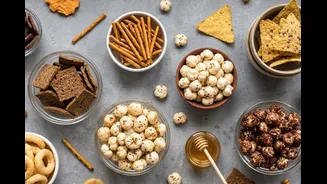




India’s snacking habits are undergoing a dramatic shift. From London’s Borough Market to the upscale delis of New Delhi, a curious reversal has taken place. The gleaming, nitrogen-flushed bags of potato
crisps and corn puffs have been pushed to the bottom shelves. In their place? Rustic foxnuts (makhana), earthy roasted chana (chickpeas), and jars of monofloral honey.
According to the 2025 Global Wellbeing Index, nearly 68% of urban consumers have actively sought to replace “Ultra-Processed Foods” (UPFs) with “Indigenous Power Snacks.” It is a movement that marries ancient Ayurvedic wisdom with a desperate modern need for metabolic repair.
At the same time, the global clean-eating movement has pushed indigenous foods like makhana, roasted chana, millets, and raw honey into the spotlight, often positioning them as weight loss-friendly choices.
So are these foods inherently better, or are we just repackaging old wisdom with new marketing?
Are Indigenous Snacks Naturally Better For Weight Loss?
At their core, many indigenous foods were never designed as “diet foods”. They were everyday staples — simple, seasonal, and minimally processed.
Dietician Nidhi Sahai, Head of Department, Dietetics at Medanta Hospital Noida, explains it, “The majority of indigenous foods have a low caloric density due to minimal processing and no added fats, oils, sugars, or preservatives.”
Snacks like roasted makhana, boiled millets, or roasted chana work in your favour because they are light yet filling. Their fibre content supports satiety, making it easier to avoid overeating.
Meanwhile, a 2025 report on Indian snacking habits suggests that nearly 60% of urban consumers are actively shifting towards “traditional” snacks in an attempt to eat cleaner. The intent is clear — people want familiarity, but with health benefits.
Walk into any supermarket and you will see peri peri makhana, ragi chips, or masala-coated chana. They look healthy, and often claim to be baked or natural.
But Sahai points out a crucial detail: “Using additive ingredients such as refined oils, flavour agents, salt, and sugar all contribute to an increase in the number of calories.”
Even small amounts of oil can significantly increase energy density. Add to that hidden sugars in flavouring mixes, and what started as a low-calorie snack can quickly turn into something far more indulgent.
Is It Possible to Overeat a Superfood?
This is where portion control quietly slips away. Traditional preparation often involves measured servings — a handful of roasted chana, a bowl of makhana shared at home. Packaged snacks, on the other hand, are designed for ease and consumption.
The psychology of the “snack pack” is designed for the mindless consumer. Research from the 2026 Nutritional Behaviour Institute suggests that consumers eat 35% more when a product is labelled as “baked” or “ancient grain” because the perceived guilt is lower.
“One reason packaged snacks encourage overeating is that they are built for convenience and taste,” Sahai notes. “They can mask your signals of fullness.”
It is a subtle shift, but an important one. You may start with the intention of a small snack and end up finishing the entire packet.
Can Raw Honey Actually Kickstart My Metabolism?
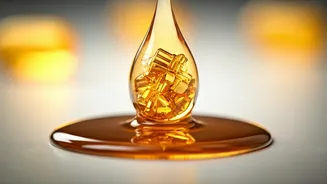
If makhana is the king of the indigenous snack world, honey is its liquid gold. But the 2026 consumer is looking past the supermarket squeezy bottle toward something more potent- raw, monofloral honey.
“We believe raw honey, including varieties like Ajwain flower and Saffron honey, can be a valuable addition to a balanced lifestyle,” says Mr. Arvind Patel, MD of Bharat Vedica. However, he is quick to temper the “magic bullet” myth. “It should not be positioned as a standalone solution for fat loss.”
The value of raw honey specifically the Ajwain and Saffron varieties lies in its minimal processing, which preserves natural enzymes. “From a metabolism perspective, its value lies in being a more natural alternative to refined sugar,” Patel explains. “The real impact on weight management depends on overall dietary patterns and physical activity, rather than the specific variety of honey consumed.”
How Do I Decode the Label for Real Weight Loss?
To navigate the 2026 supermarket aisles, Sahai suggests a “Back-to-Basics” approach to reading labels.
Look Beyond ‘Baked’: Inspect the total calories per serving and hidden oils.
The Ingredient Litmus Test: Aim for a shorter, simpler list. If you can’t pronounce it, your body likely doesn’t need it.
The Multi-Serving Deception: A single bag often contains two or three servings.
For those serious about shedding pounds, Sahai’s “Indigenous Favourites” list remains simple: roasted makhana, roasted chana, boiled corn on the cob, sprouts chaat, and seasonal fruits. These fiber-rich options promote satiety naturally.