





United States Secretary of State Marco Rubio said that no sanctions will be removed from Iran even if it fully reopens the Strait of Hormuz, adding that any such relief is tied directly to Tehran giving
up enriched uranium.
The remarks were made by the Secretary of State at a time when Israel and Lebanon are holding the fourth round of talks in Washington, DC, where Lebanese negotiators are aiming to halt the attacks on the south.
Meanwhile, the US and Iran remain engaged in negotiations aimed at extending the ceasefire, reopening the Strait of Hormuz, and addressing Tehran’s nuclear programme, though key differences over sanctions relief and uranium enrichment continue to hinder a breakthrough.
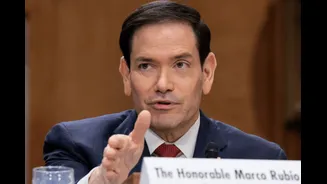
Speaking about the ongoing negotiations between the US and Iran, Rubio told Congress, “Any sanctions relief for Iran is tied to its nuclear programme, not reopening the Strait of Hormuz.”
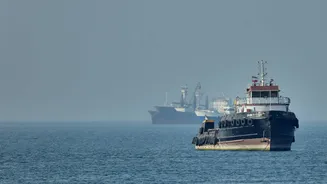
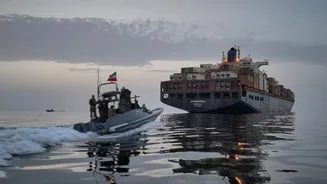
Speaking on the Strait of Hormuz situation, Rubio said the blockade was a response to Iran’s attacks on commercial vessels.
He argued that the restrictions would not have been imposed had Tehran honoured its commitment to reopen the waterway after the ceasefire. Calling Iran’s actions unlawful, Rubio said the move had drawn widespread international opposition.
“The only reason why there’s a US blockade is that Iran is firing on commercial ships… The notion is that if no one’s ships are going to get out, then Iran’s ships aren’t going to get out either. There wouldn’t have been a blockade if Iran had agreed to do what they said they would do when the ceasefire kicked in, which is they were going to open the straits. What they’re doing is unlawful and illegal. Everyone is against it,” Rubio said.
‘Iran Has Agreed To Negotiate Nuclear Programme’
Rubio said Iran’s naval capabilities had been severely degraded and accused Tehran of violating the ceasefire agreement by failing to reopen the Strait of Hormuz as promised.
He said the US would not allow a situation where Iranian vessels could use the strategic waterway while other countries’ ships were blocked, warning that any restrictions imposed by Iran would be reciprocated.
“Today, there is no Iranian Navy… It lies at the bottom of the ocean… They entered into a ceasefire. We agreed to stop, but part of that agreement is that they would reopen the Straits, which they did not… We can’t have a world in which only Iranian ships get through the Straits. And so if they are going to shut down the straits for everybody, we are going to shut down the straits for them,” Rubio said.
On the nuclear issue, Rubio said Tehran had shown a greater willingness to engage in discussions, agreeing to negotiate aspects of its nuclear programme that it had previously refused to even consider.
“They have agreed to negotiate aspects of their nuclear program that just a month ago or just a year ago, they were refusing to even mention, much less enter into discussions about,” the Secretary of State added.