



Every monsoon, as humidity rises and rain disrupts everyday routines, familiar food advice begins circulating again. Among the most persistent is the belief that curd, or dahi, should be avoided during
the rainy season. The reasoning varies from fears of catching a cold to concerns about digestion, but the blanket rule has little to do with the season itself.
What matters more, experts from the dairy industry suggest, is freshness, refrigeration and food hygiene.
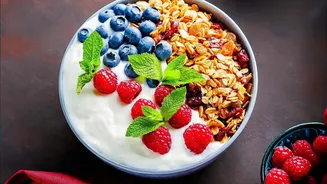
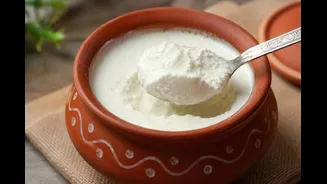
Curd has long been a staple of Indian diets, appearing alongside everything from rice and rotis to parathas and regional meals. Its place on the monsoon “avoid” list, therefore, is somewhat curious. Ravin Saluja, Director, Nova Dairy (Sterling Agro Industries), says the belief has persisted despite the absence of a seasonal reason to eliminate curd from the diet. “Monsoon season does not make curd harmful,” Saluja says, pointing instead to how the product is handled and stored. Fresh curd, he notes, provides proteins as well as probiotics that support digestion.
The real monsoon concern is freshness
The rainy season does bring its own set of food-safety challenges. Higher humidity and fluctuating temperatures can make the storage and handling of perishable foods more important, particularly when refrigeration is inconsistent.
This, Saluja argues, is where the focus should be. Rather than asking whether curd is suitable for the monsoon, consumers should ask whether it has been properly stored and refrigerated.
The distinction is important. A seasonal food myth can make an entire category seem unsuitable when the more relevant question is whether the food has been handled safely.
Dahi can still be part of a balanced diet
Rajender Singh, Managing Director, Paras Dairy, similarly points out that curd tends to get caught up in the long list of foods Indians are often advised to avoid during the monsoon.
“Curd is fine as long as it is freshly made, well-refrigerated and eaten as a part of your balanced meal,” Singh says, arguing that the season itself should not determine whether a nutritious food is eliminated from the diet.
His point also brings the conversation back to a broader principle of Indian food traditions: balance and freshness matter more than blanket restrictions.
Look beyond dairy when thinking about monsoon food safety
The larger monsoon concern, according to Singh, is not specific to curd or dairy. Perishable foods across categories including vegetables and cooked meals can become a food-safety concern when they are not handled or stored properly.
Buying fresh produce and dairy from reliable sources, maintaining refrigeration at home and paying attention to the cold chain can therefore be more useful than following seasonal food bans.
The takeaway is not that every person must consume curd during the monsoon, but that the rains alone are not a reason to treat dahi as an unsafe food. Individual dietary needs and sensitivities can differ, but for most people, the basics remain unchanged: choose fresh food, store perishables correctly and maintain good kitchen hygiene.
After all, when it comes to monsoon eating, perhaps the better question is not “What should I stop eating?” but “How safely am I storing and preparing what I already eat?”