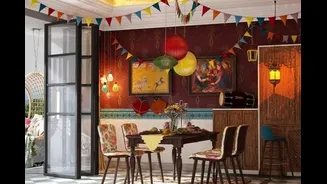

Lohri has always been more than a festival, it is a moment of pause between seasons, a celebration of harvest, warmth, and collective gratitude. Increasingly, that sentiment is finding expression not just
in rituals and food, but in the way we style our homes. This year, designers across disciplines are interpreting Lohri as an aesthetic language, one rooted in craft, restraint, and emotional resonance rather than excess.
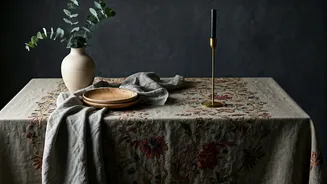
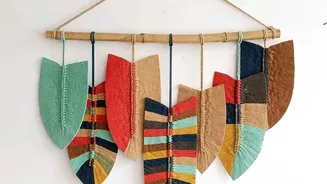
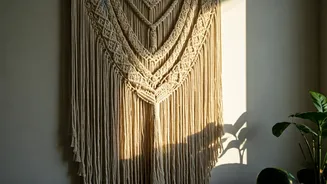
For interior designer Punam Kalra, Creative Director, I’M the Centre for Applied Arts, Lohri décor begins with reconnecting to our vernacular past. “The festival celebrates harvest season, its warmth and the sentiment of new beginnings,” she notes, adding that homes should mirror that spirit through handcrafted details and tactile materials. Terracotta artefacts, jute baskets placed near the entryway, and hand-embroidered textiles instantly ground a space in native craft traditions. At the same time, Kalra believes Lohri homes need not feel rustic alone, tall wheatgrass arranged in vases, seersucker linen table runners, and brushed brass tableware allow for a more contemporary ambience that still respects character and age.
When it comes to celebrating Lohri itself, Kalra sees the bonfire as both a visual and emotional anchor. In outdoor settings, she imagines it paired with kite parties, dhol performances, and game nights that naturally draw people together. Low-set charpai seating layered with bolsters and cushions creates comfort, while umbrella canopies or tepees add drama. Lighting, she says, is key, village-style hurricane lamps and overhead string lights help create multiple focal points, enhancing intimacy. For compact urban homes, the same spirit can be distilled into miniature bonfire installations using candles or LEDs, paired with weathered wood stools, tasselled throws, gota-patti trimmed drapes, and clay bird or horse figurines. “It’s about how old elements find new ways to decorate our homes, that’s what truly captures the soul of Lohri,” she explains.
That idea of evolution without erasure also defines how we gift during the festival. According to Shikha Bhasin and Kritarth Bhasin, founders, Madihah Home, Lohri gifting has long remained static, dominated by predictable boxes of gajjak and rewri. “This season, we wanted to move beyond the customary and offer something more thoughtful,” they share. Madihah’s Lohri hampers are conceived as experiences rather than consumables, curated with reusable décor accents, artisanal pieces, and festive essentials designed to live on in the home well beyond the celebration. For the duo, evolving tradition means creating gifts that feel intentional, warm, and personal, objects that become part of everyday spaces, not just a moment in time.
A similarly restrained philosophy informs the Lohri styling approach at Rabyana Design. Designer and co-founder Radhika Gupta views the festival through the lens of modern luxury. “Instead of exuberance, harvest-inspired homes should feel tactile, cozy, and grounded,” she says. Natural materials such as marble, bronze, wood, and hand-blown glass form the foundation of her Lohri palette, while wheat motifs are introduced subtly through sculptural accents, textured runners, or handcrafted décor, adding cultural depth without overwhelming the space.
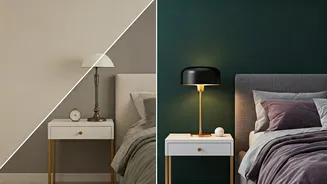
For Gupta, the secret lies in layering: warm metallic finishes, soft ambient lighting, and neutral colour schemes punctuated with muted golds or subdued reds. Rather than investing in fleeting festive décor, she advocates choosing timeless pieces, bold centrepieces, handcrafted bowls, or elegant candle holders that extend their relevance far beyond Lohri. When styled with care, she believes, Lohri décor becomes less about a single celebration and more about honouring abundance, warmth, and unity in a way that feels enduring.
Together, these perspectives reveal a shared ethos. Lohri styling today is not about spectacle, but about storytelling through materials, craftsmanship, and thoughtful choices. Whether expressed through a terracotta artefact, a well-curated hamper, or a quietly layered living room, the festival’s soul lies in its ability to wrap up one season and usher in another, with warmth that lingers long after the fire fades.