





Iran warned on Monday that its confrontation with the United States could escalate within the next 48 hours, as Tehran rejected Washington’s latest economic pressure and threatened consequences for countries
helping the US sanctions campaign.
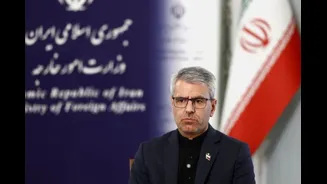
Iranian Foreign Ministry spokesman Esmaeil Baqaei said Tehran had issued the necessary warnings and would respond to countries that co-operated with Washington.
“The necessary warnings have been issued, and our co-operation with the United States will have consequences,” Baqaei said. “We certainly are not empty-handed.”
Tehran Rejects US ‘Economic D-Day’
Iran’s warning came after US Treasury Secretary Scott Bessent declared in a Financial Times column that an “economic D-Day” had begun against Tehran. He warned that countries continuing to enable Iran could become “global pariahs”.
Iranian officials dismissed the expanded financial pressure as evidence that Washington had failed to achieve its aims through the war.
Deputy Foreign Minister Kazem Gharibabadi said the US shift towards financial warfare contradicted its claims of success.
“Your narrative doesn’t add up,” Gharibabadi said, questioning why Washington would need what he called “the largest financial invasion in history” if it had already achieved its objectives.
“Is this a victory or an admission of America’s defeat?” he asked.
Hormuz Remains At Centre Of Standoff
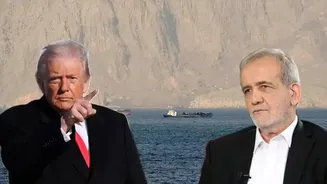
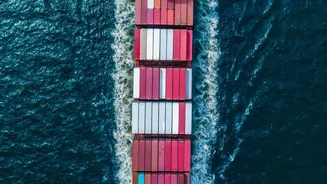
The confrontation has centred heavily on the Strait of Hormuz, a key route for global oil and gas supplies that Tehran has restricted during the war.
Iran has demanded that the US lift its naval blockade, withdraw forces from the region and provide reparations for wartime damage before the waterway is reopened.
The US blockade has sharply reduced Iran’s oil exports through the strait, with flows falling from about two million barrels a day before the war to around 400,000 barrels by mid-August, according to maritime tracker Kpler.
Iran has endured decades of sanctions and has built alternative trading and financial networks, with China remaining a major buyer of its oil.
Meanwhile, diplomatic efforts to end the conflict continue. Pakistan has been involved in mediation, while Oman is due to hold talks with Tehran over arrangements for traffic through the Strait of Hormuz.
Iranian parliamentary speaker Mohammad Bagher Ghalibaf said Tehran remained committed to a June memorandum with Washington, accusing the US of preventing a return to stability by failing to honour its commitments.
(With inputs from agencies)