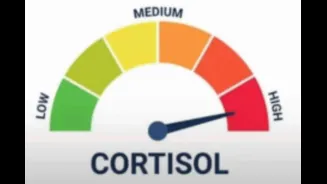









Hundreds of thousands of Instagram and TikTok users, doomscrolling to eternity on their rectangular slabs daily, have found a simple yet effective way to let the world know how they feel about the reel
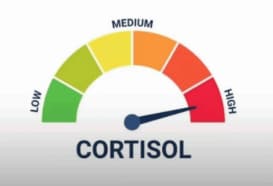
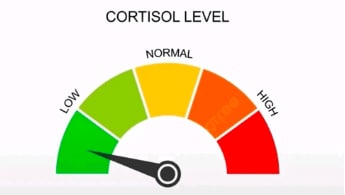
or video they just watched. Enter: Cortisol Level GIF/meme. The reaction image is a straightforward cortisol meter scale that shows the needle either at “low” or “high” depending on the emotion a particular piece of content evoked.
For example: If an Instagram reel showed a Karen creating a ruckus for absolutely no reason and their presence led to a lengthy standoff between them and the person recording the video, you may find a user responding to the stressful footage with a cortisol meter scale’s needle hitting a “high”. On the flip side, if a motorist is recorded on a dashcam ramming into a vehicle and speeding away, only to be caught by a traffic police officer seconds later, you will likely spot one of those cortisol meter scales in the comments section with the needle in the green zone, establishing that the video calmed down the reactor.
In short, the spike or drop in cortisol, our body’s stress hormone, is now Gen Z’s (and millennials’) comfort meme. Any situation of high stress, shock, or anxiety, and calm or “Instant Karma” seen on Instagram or TikTok, can be summed up with a simple Cortisol Level meter GIF or image without really typing a single word in the comments section.
Cortisol Level Meme: When Did It Start?
According to the folks at Know Your Meme, the earliest known usage of “cortisol level” on the Internet was on X (formerly Twitter) back in 2025 when a user responded to a tweet with a “cortisol spike” reaction.
Also Read: Ian Bishop Had No Words For Rishabh Pant: How LSG Captain’s Antics Stumped Everyone
“On February 26th, 2025, X user @evristainted posted a reaction tweet using the phrase “cortisol spike” to describe a moment of stress or discomfort, framing it humorously as a biological response rather than an emotional one. The tweet notably contained the catchphrase, “You’re trying to spike my cortisol and make me less beautiful,” which subsequently became a meme,” KYM stated.
The meme, however, took flight late in 2025 when YouTuber and nutrition influencer Goatis animatedly reacted to videos that were clipped and circulated on TikTok with a “Holy cortisol spike” caption. With thousands of likes across social media platforms, the meme eventually became a mainstream reaction tool for the residents of the Internet.
Cortisol Level Meter: For Stress And Calm
Although there are several variations of the viral meme, the spike or dip in the cortisol can be expressed using the most common templates popularised by the Instagram and TikTok communities.
Stressed or Shocked?
(Source: Know Your Meme)
mera cortisol level toh yeh soch soch k hi barh raha hai k abhi tak mein ne eid ka suit nahi liya.
— patangeer (@patangeer) May 13, 2026
Satisfied and calm?
(Source: Know Your Meme)
It’s about to be a zero cortisol summer pic.twitter.com/ZfqgoRcK60
— ol’ stocky ⛳️ (@oldstocky) May 11, 2026
Beyond Memes: What Does The Science Say?
Neither chronically elevated nor low cortisol is good for the human body. Cortisol is a steroid hormone manufactured in the adrenal glands that regulates daily bodily functions.
The body’s primary stress hormone, cortisol, gushes into the bloodstream when brain detects stress or threat, enabling the body to sharpen its focus by raising blood sugar for instant energy and powering the muscles to respond in times of crisis. In short, it prepares the body for a fight or flight response.
Cortisol regulates blood pressure, blood sugar, immune function, and inflammation – a rhythmic cycle that peaks in the morning. Too much cortisol can cause Cushing syndrome, while too little of it, as we saw in the memes, can cause Addison’s disease. The body’s cortisol levels can be maintained through exercising, sleeping, and stress management.
Please Note: This article is intended for informational purposes only and does not constitute medical advice. Please consult a qualified healthcare professional before making any health-related decisions.
You may check Healthline and the Cleveland Clinic to learn about cortisol.