





The war involving the United States, Israel and Iran has now entered its fifth week, with no visible signs of de-escalation and the conflict expanding beyond its initial theatre.
Over the weekend, strikes
intensified across Iran, including in Tehran and other cities, even as diplomatic efforts continued through regional intermediaries. There has been little progress on negotiations, with military action continuing alongside backchannel communication.
At the same time, the conflict has spilled across the Gulf. Iran has launched missile and drone attacks not only towards Israel but also against US-linked assets and regional allies, including strikes on industrial facilities in the United Arab Emirates and Bahrain. In one of the more significant incidents, an attack on a US air base in Saudi Arabia wounded American personnel and damaged a US E-3 Sentry surveillance aircraft, underlining the scale of escalation.
The conflict has also widened geographically. Israel has expanded its operations in Lebanon against Hezbollah, while Houthi forces in Yemen have resumed missile attacks, signalling that the confrontation is no longer confined to a single front.
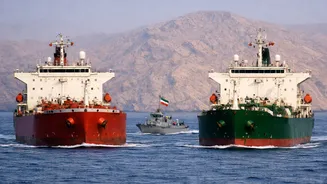
Crucially, the situation around the Strait of Hormuz—through which a large share of global oil and gas supplies moves—remains strained, with shipping flows subject to pressure and negotiation.
How Is India Preparing As The Crisis Deepens?
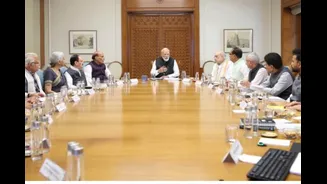
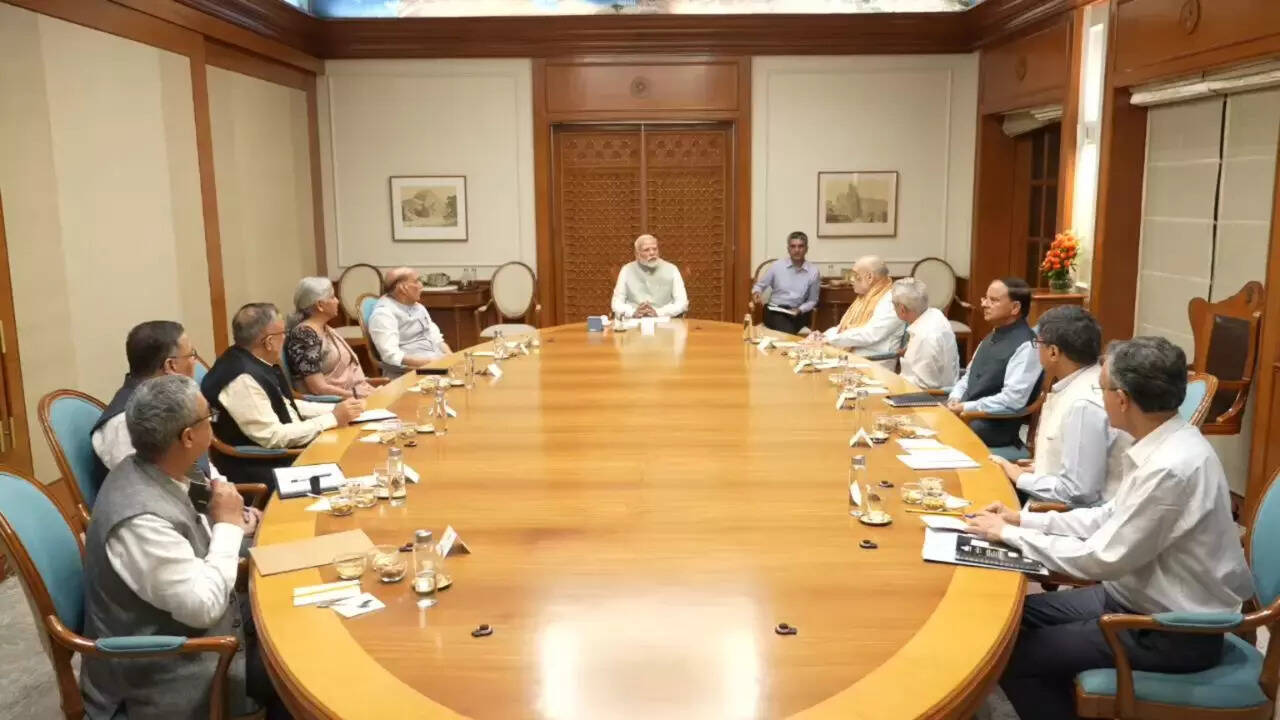
Amid the evolving situation in West Asia, the government has said it is maintaining continuous oversight and implementing preparedness and response measures to ensure stability across key sectors. The focus remains on sustaining uninterrupted energy supplies, safeguarding maritime operations, and extending assistance to Indian nationals in the region.
On the fuel front, the government has said adequate stocks of petrol and diesel are available at all petrol pumps across the country. All refineries are operating at high capacity, with adequate crude inventories in place. Retail outlets are operating normally across the country.
To cushion consumers and protect domestic availability, the government has reduced excise duty on petrol and diesel by Rs 10 per litre. It has also imposed an export levy of Rs 21.5 per litre on diesel and Rs 29.5 per litre on aviation turbine fuel to ensure these products remain available in the domestic market.
There have been instances of panic buying in some areas triggered by rumours, leading to crowding at retail outlets. The government has reiterated that supplies remain adequate and has urged citizens to rely on official information.
How Is India Managing LPG, Gas And Other Energy Supplies?
Domestic LPG production from refineries has been increased to support local consumption. On March 29, more than 55 lakh LPG refills were delivered, while the earlier government update cited more than 54 lakh refills delivered on Friday. The government has said domestic LPG cylinder delivery remains normal and that there has been no reported dry-out at LPG distributorships.
Online LPG cylinder bookings have risen to 94 per cent on an industry basis. To prevent diversion at the distributor level, DAC-based deliveries were increased from 53 per cent in February 2026 to 84 per cent on March 29.
Commercial LPG allocation has now been raised to 70 per cent of pre-crisis levels. The additional allocation has been prioritised for sectors including restaurants, dhabas, hotels, industrial canteens, food processing and dairy, subsidised canteens run by state governments or local bodies, community kitchens, and 5-kg free trade LPG cylinders for migrant labourers.
Natural gas supplies have also been managed through sectoral prioritisation. The government says 100 per cent supplies are being maintained for domestic PNG and CNG transport. Industrial and commercial consumers connected to the grid are receiving 80 per cent of their average consumption. Supply to operating urea plants is steady at around 70 to 75 per cent of their last six-month average consumption, while additional LNG cargoes and regasified LNG are being sourced to maintain supplies and pipeline hydraulics.
City gas distribution companies have been advised to prioritise PNG connections for commercial establishments such as restaurants, hotels and canteens to reduce pressure on commercial LPG.
To speed up expansion, the Centre has urged states and Union Territories to expedite approvals, while the PNGRB directed CGD entities on March 23 to connect residential schools and colleges, hostels, community kitchens and anganwadi kitchens through PNG within five days where pipeline infrastructure exists nearby.
The government has also moved on alternative fuels. An additional allocation of 48,000 kilolitres of kerosene has been made over and above the regular allocation to all states and Union Territories. Coal India and Singareni Collieries have also been asked to allot higher coal quantities to states for distribution to small and medium consumers.
How Is India Managing Shipping And Maritime Safety?
With the Strait of Hormuz under pressure, India has also focused on maintaining maritime continuity and securing its seafarers.
Two LPG carriers carrying about 94,000 metric tonnes of cargo have safely transited the region and are en route to Indian ports.
Port operations across India continue to remain normal, with no congestion reported. At the same time, authorities are closely monitoring Indian-flagged vessels and crews in the western Persian Gulf, where hundreds of Indian seafarers remain deployed.
A 24×7 control room is operational to track developments and respond to emergencies, with thousands of calls and emails already handled. So far, more than 940 Indian seafarers have been safely repatriated, reflecting sustained intervention in a high-risk environment.
How Is India Managing Evacuations And Citizen Safety?
Alongside fuel security and maritime monitoring, the government has also expanded assistance for Indian nationals across West Asia, with missions and posts in the region operating round the clock.
Since February 28, around 5,24,000 passengers have returned to India from the region. Flight operations are continuing in a calibrated manner. From the UAE, around 80 flights were expected to operate to India on Sunday. Flights from Saudi Arabia and Oman are continuing, while Qatar, following a partial reopening of its airspace, was expected to see around 8 to 10 non-scheduled flights.
For countries where direct movement remains difficult, alternative routes are being used. Travel from Iran is being facilitated via Armenia and Azerbaijan, from Israel via Egypt and Jordan, and from Iraq via Jordan and Saudi Arabia. With restrictions continuing from Kuwait and Bahrain, Indian nationals are also being helped to travel via Saudi Arabia.
Assistance is continuing for seafarers, students, stranded Indian nationals and short-term visitors, including visa, consular and logistical support.
One Indian national who passed away in Abu Dhabi on March 27 has had their mortal remains repatriated to India, with the MEA remaining in touch with the family.
War Enters Fifth Week
According to a Financial Times report, US and Israeli strikes have hit not only military targets but also infrastructure such as universities, water facilities and industrial plants in Iran. In response, Iran has targeted Israeli and US-linked assets across the region, including industrial installations in Gulf countries.
Washington has increased its military presence in the region. The additional US forces that arrived include about 2,200 Marines from the 31st Marine Expeditionary Unit, and overall the Trump administration is deploying an extra 10,000 troops to the Middle East, including a second Marine Expeditionary Unit and paratroopers from the 82nd Airborne Division.
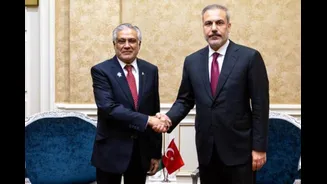
At the diplomatic level, Pakistan, Turkey, Egypt and Saudi Arabia were engaged in discussions in Islamabad on options to persuade the US and Iran to accept a deal, while Pakistan’s prime minister’s office said it was working to bring both sides to the table. But there are no formal negotiations under way, with messages being passed through mediators.
The Strait of Hormuz remains central to the crisis. With a significant share of global energy supplies passing through this route, any sustained disruption can have immediate consequences for countries dependent on imported oil, including India. While some shipping continues under negotiated conditions, the uncertainty around movement, insurance and costs remains high.