



From steam-laden dumpling houses in East Asia to smoky skewer grills across the Middle East and vibrant snack counters in Latin America, small-plate dining has travelled far beyond its regional roots.
What began as a practical way of eating has today evolved into a global culinary language, one that reflects how modern diners explore flavours, share experiences, and engage with food cultures across borders.
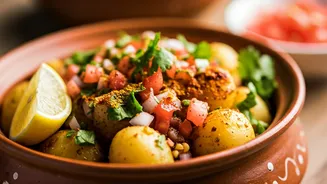
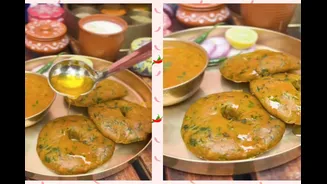
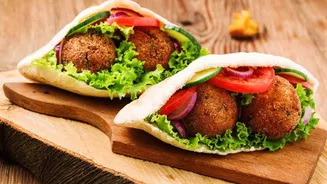
Historically rooted in street food traditions, small plates emerged from necessity. They were affordable, communal, and adaptable, designed to feed many with little. Over time, as cities grew and dining habits evolved, these modest formats found new relevance in contemporary restaurants. Chefs across the world now borrow freely from multiple cuisines, reinterpreting dumplings with global seasonings, reimagining skewers with refined techniques, and elevating everyday snacks through fermentation, slow cooking, and thoughtful plating. The result is dining that feels exploratory yet familiar, global yet grounded.
According to Priyesh Busetty, co-founder, Yuki, small plates offer chefs a powerful storytelling tool. “What makes small plates compelling is their ability to communicate ideas in a concise yet meaningful way,” he says. “Instead of committing the diner to a single narrative, this format allows multiple stories to coexist on the table. Each dish carries its own identity, its own cultural reference, and together they create a broader culinary conversation that feels intentional rather than overwhelming.”
This balance between innovation and heritage is central to the movement’s appeal. While flavours increasingly travel across geographies, techniques often remain rooted in tradition. Sharath T. Gowda, founder, Arena Brewhouse, believes this grounding is crucial. “Small plates give us the freedom to experiment, but they also demand responsibility,” he explains. “Guests today are curious, but they are also discerning. They want variety, yes, but not at the cost of authenticity. The challenge, and the joy, lies in respecting the origins of a dish while presenting it through a contemporary lens.”
The rise of small plates also mirrors a broader shift in consumer behaviour. Diners are moving away from rigid, course-driven meals towards more fluid, shared experiences. Variety, flexibility, and social engagement now define how people eat, especially in urban settings. Small plates encourage interaction at the table, invite comparison and conversation, and allow diners to shape their own experience. For restaurants, this format offers creative freedom and adaptability, enabling menus to evolve organically with changing tastes.
Street food remains a key influence, as chefs continue to elevate snacks and handheld bites without stripping them of their soul. “At its core, small-plate dining is democratic,” says Prashant Chandra, co-founder, Amicii. “It removes intimidation from global cuisine. You don’t have to commit to a large portion or an unfamiliar dish. You can taste, share, and discover at your own pace. That accessibility is what makes global flavours feel inviting rather than exclusive.”
As dining culture continues to evolve, small plates sit at the intersection of culture, creativity, and connection. They reflect a world where borders blur, conversations flow freely, and food becomes a shared language proving that sometimes, the smallest plates tell the most expansive stories.